Choosing the 2026 best FMC Licensed Ocean Freight forwarder requires more than comparing advertised rates. It requires checking authority, financial responsibility, operating experience, and shipment visibility. The Federal Maritime Commission regulates ocean transportation intermediaries serving the United States. Its public licensing records provide an essential starting point for verification.
The market remains strategically important. UNCTAD’s Review of Maritime Transport 2024 reports that maritime shipping carries over 80% of global merchandise trade by volume. It also highlights continuing exposure to port congestion, rerouting, and capacity disruptions. Drewry’s container research shows how quickly spot rates can change when vessel supply or trade routes shift. A cheaper quotation may not stay cheaper.
Reliability matters most.
Mario Cordero, former Chairman of the FMC, described ocean shipping as “the backbone of our economy.” That statement explains why forwarder selection deserves careful review. A strong FMC Licensed Ocean Freight provider should disclose its FMC license details, bond information, carrier relationships, surcharge rules, and claims procedures. It should also provide practical evidence, such as accurate booking updates, container milestones, and responsive exception handling.
This guide compares leading providers through those measurable signals. It considers service coverage, documentation quality, digital tools, pricing clarity, and customer experience. Yet no ranking is perfect. Market conditions change, and a forwarder performing well in Los Angeles may struggle during congestion in Savannah or Rotterdam. Readers should treat this list as a decision framework, not a guarantee. Verify current credentials before booking.
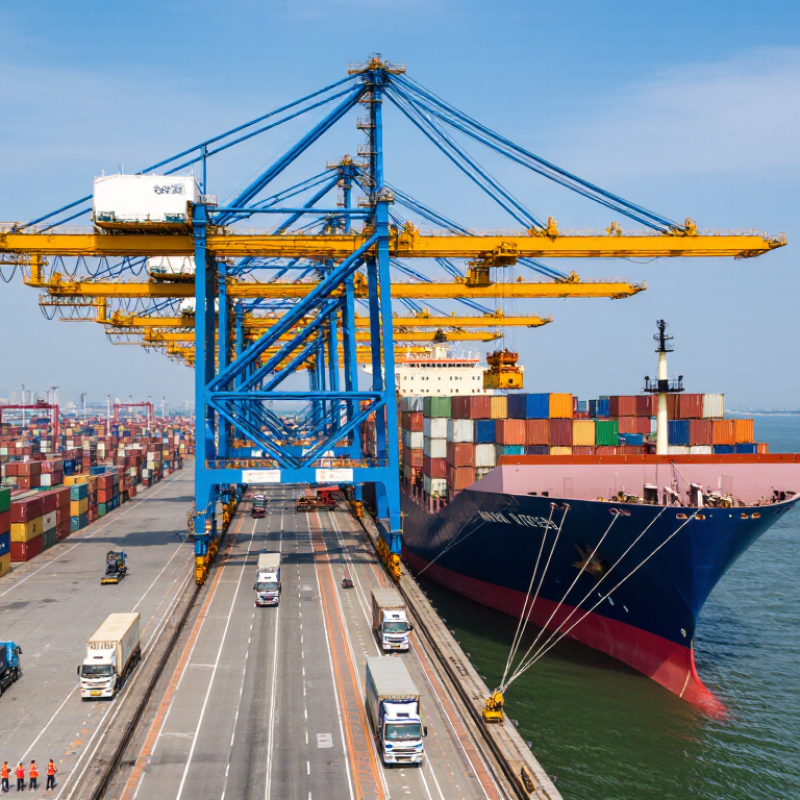
What Is an FMC-Licensed Ocean Freight Forwarder?
What Is an FMC-Licensed Ocean Freight Forwarder?
An FMC-licensed ocean freight forwarder is an Ocean Transportation Intermediary (OTI) authorized to arrange ocean shipments involving the United States. It coordinates bookings, shipping documents, cargo details, and communication with vessel operators. It does not usually operate ships. Instead, it manages the moving parts between exporters, importers, carriers, ports, and customs professionals.
The Federal Maritime Commission requires licensed OTIs to meet qualification standards and maintain financial security. For many customers, this creates a practical accountability point. An NVOCC may also hold FMC authority, but it acts as a carrier toward the shipper and can issue its own bill of lading. That difference matters when reviewing liability, rates, and claims procedures. Licensing is useful. It is not a promise of perfect service.
UNCTAD’s Review of Maritime Transport 2024 states that ships carry over 80% of global merchandise trade by volume. Even a small documentation error can therefore create real costs: a missed port cutoff, storage fees, or a container waiting for clarification. The FMC’s public OTI information can help verify licensing and financial security. A careful buyer should also request written sailing schedules, local contact details, surcharge terms, and complaint procedures. Industry reports provide scale, but they cannot measure every forwarder’s daily accuracy. That is where judgment remains necessary.
2026 Best FMC-Licensed Ocean Freight Forwarders? — What Is an FMC-Licensed Ocean Freight Forwarder?
An FMC-licensed Ocean Transportation Intermediary (OTI) is authorized by the U.S. Federal Maritime Commission to arrange ocean transportation services. The chart compares the minimum financial responsibility amounts generally required for key OTI categories under FMC regulations. A higher bond requirement does not automatically indicate better service; businesses should also verify licensing status, carrier access, compliance history, and service capability.
Source: U.S. Federal Maritime Commission, 46 CFR § 515.21 and OTI licensing guidance.
How FMC Licensing Protects Shippers and Supports Legal Compliance
2026 Best FMC Licensed Ocean Freight Forwarders?
FMC licensing gives shippers a practical layer of protection when arranging ocean transport in the United States. An FMC-licensed ocean freight forwarder must meet established requirements and maintain financial security. This process helps create accountability before cargo moves.
A licensed forwarder can support booking, documentation, carrier coordination, and shipment tracking. It should also explain charges clearly and provide written terms. Experienced shippers often verify the company’s active FMC status and financial bond before signing an agreement. Small details matter. Check the legal business name, license type, and contact information.
Licensing does not remove every shipping risk. Delays, documentation errors, port congestion, and communication gaps can still occur. No system is perfect. A forwarder may hold a valid license yet deliver weak service. That is why careful review remains necessary. Ask how the company handles rate changes, cargo claims, missed cutoffs, and customer complaints. Keep invoices, booking confirmations, and email records in one file. These records can support a clearer response if a dispute develops.
FMC oversight also supports legal compliance by discouraging misleading charges and unclear operating practices. Shippers should provide accurate cargo descriptions, shipping instructions, and business details. A compliance-focused forwarder checks information instead of rushing every booking. That extra question may feel inconvenient, but it can prevent costly corrections later. Before each shipment, review the service terms and confirm who controls each document.
Key Services Offered by FMC-Licensed Ocean Freight Forwarders
2026 Best FMC Licensed Ocean Freight Forwarders?
Key Services Offered by FMC-Licensed Ocean Freight Forwarders
FMC-licensed ocean freight forwarders coordinate bookings, export documents, customs data, and delivery schedules. Their value becomes clearer when cargo moves through several ports. UNCTAD’s Review of Maritime Transport 2024 reported about 12.3 billion tons of seaborne trade in 2023. That scale creates constant pressure on space, schedules, and documentation.
A capable forwarder compares carrier options and explains total landed costs before booking. Services may include shipment consolidation, container planning, port coordination, cargo tracking, and final-mile delivery. Some providers also arrange cargo insurance and monitor demurrage exposure. Tracking helps, but updates can still arrive late.
That matters.
FMC licensing also supports accountability in U.S.-related ocean transportation. Shippers should verify the provider’s current license status and review its tariff, contract, and complaint procedures. The World Bank’s Logistics Performance Index 2023 evaluates customs, infrastructure, international shipments, logistics competence, tracking, and timeliness. These categories offer a practical evaluation framework. Ask whether a forwarder can produce milestone records, escalation contacts, and realistic transit estimates. A polished dashboard is not proof of control. In my experience, clear exception handling often matters more than attractive software. Small documentation errors remain surprisingly expensive.
How to Evaluate the Best FMC-Licensed Forwarder in 2026
How to Evaluate the Best FMC-Licensed Forwarder in 2026
Choosing an FMC-licensed ocean freight forwarder requires more than checking a license number. Verify the company’s current status through the official FMC database. Review its OTI information, bond details, business address, and authorized activities. A valid license matters, but it does not guarantee excellent service. Ask how long the operations team has handled your trade lane. Request recent customer references with similar cargo volumes. Specific experience often reveals more than polished sales language.
Study the written quotation carefully. Compare origin charges, documentation fees, destination costs, free time, and possible surcharges. Ask who controls booking updates when vessels roll or ports become congested. Reliable forwarders should explain communication procedures, escalation contacts, and contingency plans in plain English. Test the process with practical questions. How quickly will they report a schedule change? Can they provide milestone updates without repeated reminders? Small delays in communication can become expensive quickly.
Look for transparent terms and verifiable insurance information. Check whether invoices match the agreed quotation. Review complaint history where available, but interpret it fairly; no company has a perfect record. I have learned that the cheapest quote can hide weak follow-up and unclear destination charges. That lesson still needs testing on every shipment. Meet the operational contact, not only the salesperson. A short call can expose uncertainty about cut-off times, documents, or cargo handling. Trust should come from records, clear answers, and consistent performance.
Questions to Ask Before Choosing an FMC-Licensed Forwarder
Before choosing an FMC-licensed ocean freight forwarder in 2026, ask for its current license details. Is it registered as a freight forwarder or an NVOCC? Can you verify its status through public FMC records? Ask about its financial responsibility, operating history, and authority for your trade lane. A license matters, but it does not guarantee careful service.
Request a written quote with every charge clearly separated. Does it include origin handling, documentation, terminal fees, chassis costs, and destination delivery? Ask how surcharges are calculated and when they may change. Who checks shipping instructions before submission? Who contacts you if cargo details are incomplete? These questions reveal daily working habits. Small errors can delay a container.
Ask how the forwarder handles schedule changes, rolled bookings, damaged cargo, and missing documents. What is the response time after a vessel delay? Is there one trained contact, or will you repeat the story to several people? Request recent customer references with similar cargo and ports. Also ask for sample tracking updates. A polished sales call proves little. Clear records prove more. I have seen attractive quotes become expensive after unclear destination fees appeared. That risk deserves a direct conversation. You should also ask what the forwarder does when its own process fails. The answer may be imperfect, but evasive answers are worse.
Conclusion
Choosing the right FMC Licensed Ocean Freight forwarder is an important step for businesses that depend on reliable, compliant international shipping. An FMC-licensed provider is authorized to arrange ocean transportation and must meet established financial and operational requirements, giving shippers greater confidence in transparent pricing, proper documentation, and accountable service. These forwarders can support booking, cargo coordination, routing, shipment tracking, customs document preparation, and communication with carriers and other logistics partners.
When evaluating the best FMC Licensed Ocean Freight forwarder in 2026, businesses should consider licensing status, industry experience, service coverage, communication quality, technology, pricing transparency, and claims support. It is also useful to ask about transit-time expectations, surcharges, cargo visibility, responsibilities during delays, and procedures for resolving service issues. A careful comparison of capabilities and contract terms can help shippers select a dependable logistics partner that supports efficient transportation and long-term supply chain planning.