Choosing Project Cargo Freight Forwarding in 2026 means looking beyond a low quote. A transformer weighing dozens of tonnes, for example, needs more than a truck and a vessel booking. Its dimensions, lifting points, route limits, port equipment, and delivery sequence all matter. One overlooked bridge restriction can disrupt an otherwise careful plan.
Martin Christopher, a leading logistics scholar, describes the wider goal: “The mission of logistics management is to plan and coordinate all those activities necessary to achieve desired levels of delivered service and quality at lowest possible cost.” That principle applies strongly to oversized, heavy, or complex shipments. Ask prospective forwarders for relevant project references, a clear route and handling plan, named operational contacts, and realistic contingency options. Check how they coordinate engineers, carriers, terminals, and site teams. Request written assumptions, too. They reveal what a quote excludes.
There is no flawless plan. A port slot may shift; weather may change a lifting window. The useful question is how the forwarder identifies risks, communicates changes, and protects cargo at each handover. Compare insurance scope, milestone reporting, equipment availability, and escalation procedures—not just price. A polished proposal is not proof of execution. This guide outlines practical checks for assessing capability, safety planning, communication, and cost before appointing a Project Cargo Freight Forwarding partner. It also considers where buyers should challenge assumptions. Some details are easy to miss until the cargo is already moving.
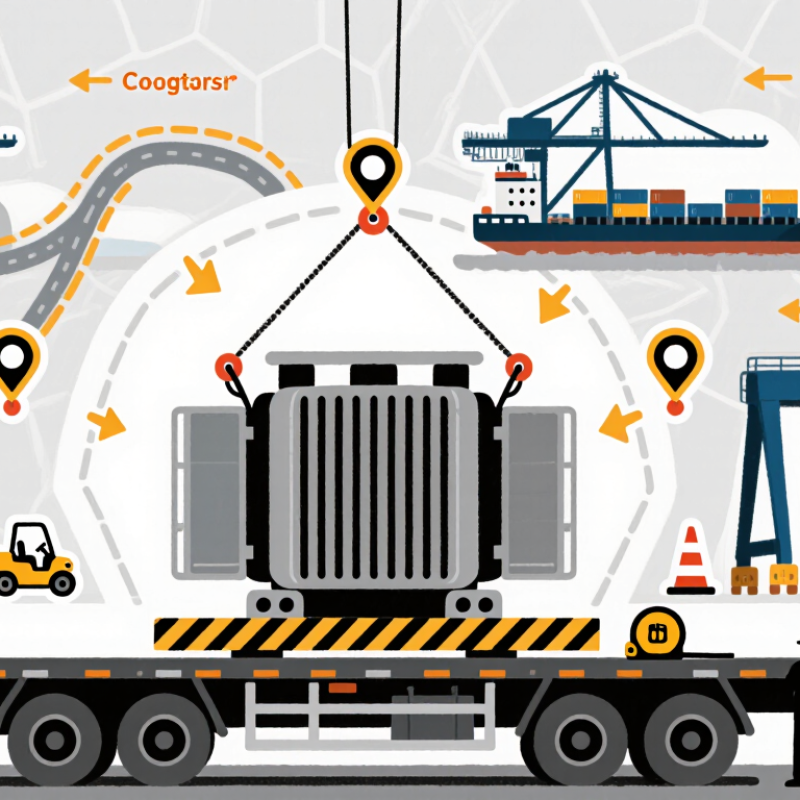
Choosing project cargo freight forwarding in 2026 starts with a precise cargo profile. Record each item’s dimensions, gross weight, center of gravity, lifting points, and packaging. A 4.2-meter-wide skid may fit the vessel but exceed a road’s permitted width. Share drawings, photos, and loading sequences with the forwarder. Missing details can force costly rework. They are easy to overlook.
Then map the shipment constraints from origin to final site. Confirm quay access, crane capacity, vessel availability, road clearances, bridge limits, and delivery windows. Identify transshipment risks and weather-sensitive handling needs. UNCTAD’s Review of Maritime Transport 2024 reported that maritime trade grew 2.4% in 2023 and projected 2% growth in 2024. Such changes reinforce the value of checking capacity and schedules early, rather than assuming a route will remain available. A tidy plan cannot predict every delay. Revisit assumptions as engineering details change.
Tips: Send the forwarder a cargo data sheet, route map, and site photos. Ask for written confirmation of lifting capacity and critical clearances. Flag uncertain measurements honestly; a small correction now can prevent a large detour later.
Project cargo depends on more than a low freight quote. A transformer, production line, or oversized vessel component may need route surveys, lifting plans, and carefully timed transfers. Ask whether the forwarder has handled cargo with similar dimensions, weight, and handling limits. Request a specific case study, including what went wrong and how the team responded.
Check the people and equipment behind the proposal. Does the team include project planners, cargo surveyors, and staff who can coordinate cranes, trailers, and port handling? Ask how they verify load dimensions and secure cargo before departure. Details matter. A polished schedule is less useful if it overlooks a low bridge or a narrow site entrance.
The forwarder’s network should cover every handoff, not just the main transport leg. Confirm who manages origin loading, port operations, inland delivery, and local documentation at each location. Ask for named contacts, realistic transit milestones, and a clear process for reporting delays. Ask for evidence. References and sample project plans can reveal whether coordination is consistent. Even experienced teams can miss something; a practical review of assumptions before booking is worth the extra time.
How to Choose Project Cargo Freight Forwarding in 2026?
A sound freight-forwarding choice starts with a useful route survey, not a low quote. Ask what the survey actually checks. It should document bridge clearances, road widths, turning space, gradients, and weak pavement. A tight corner near a warehouse can matter as much as a long highway section. Compare the survey date with the planned transport date, since roadworks and access conditions change. No survey is perfect. Treat its findings as assumptions to verify, not guarantees.
Transport engineering should connect the cargo dimensions to a workable movement plan. Request loading drawings, axle-load calculations, lifting arrangements, and turning simulations where the route demands them. Check that the proposed trailer, crane, and support points suit the cargo’s weight and centre of gravity. Ask engineers to explain their key assumptions in plain language. A polished drawing is helpful, but it cannot fix missing measurements. Leave time for revisions when site details are incomplete.
Tips: Request a permit schedule showing required approvals, responsible parties, and realistic lead times. Confirm whether escort vehicles, temporary road restrictions, or utility checks are needed. Keep survey notes, engineering revisions, and permit conditions together. Before dispatch, review them against the actual cargo and route. Details can slip. Don’t rely on an old version.
Review Route Surveys, Transport Engineering, and Permits
Compare forwarders on their ability to coordinate these workstreams early. Ranges are illustrative planning estimates, not guaranteed durations; actual timing depends on cargo dimensions, route conditions, and local authority requirements. Workstreams may run in parallel.
When comparing project cargo freight quotes, ask what each price actually covers. A low figure may exclude route surveys, crane time, temporary storage, or delivery to the final site. Request a line-by-line breakdown for packing, origin handling, ocean or road transport, and unloading. Share verified dimensions and weight, plus lifting-point details. A small measurement error can change the equipment and cost.
Check insurance beyond the headline limit. Confirm the insured value basis, deductible, and whether loading, unloading, and transshipment are covered. Ask how a claim would be documented and which party supplies survey reports or condition records. Photograph the cargo before packing and at each handover. Keep copies of inspection notes. The paperwork matters.
Risk management should be visible before booking. Ask for the proposed route, transfer points, weather contingencies, and named contacts for delays or damage. For a large machine, confirm that cranes, trailers, and site access match its actual dimensions. Get major assumptions in writing. No plan removes uncertainty. I would still leave room for judgment: a tidy spreadsheet cannot predict every port delay, and some estimates will need revision once route details are checked.
For project cargo, a polished quote matters less than clear commitments at every handoff. Ask the forwarder to define who handles route surveys, permits, lifting plans, and site coordination. Get dates, assumptions, and change fees in writing. Small gaps grow quickly.
Before signing, review liability limits, cargo-value declarations, insurance scope, payment milestones, and cancellation terms. Confirm whether subcontractors are identified and how delays or damage will be reported. “Door to door” can conceal extra transfers, storage, or waiting charges. Request a sample status report and a named contact with decision-making authority. Ask how often updates arrive and what triggers escalation.
The execution plan should reflect the cargo’s actual dimensions, weight, center of gravity, and lifting points. Check equipment, packing, loading sequence, weather limits, and any fallback route. Have the site team verify access, ground capacity, crane reach, and delivery hours. Plans still miss things. For example, an unloading area may be occupied on arrival; build a site check into the schedule, and revisit assumptions when conditions change.
| Evaluation Area | What to Verify | Evidence to Request | Warning Signs | Practical Acceptance Check |
|---|---|---|---|---|
| Scope of services | Confirm which party handles origin pickup, export clearance, ocean or air transport, transshipment, import clearance, inland delivery, and site coordination. | A written scope matrix showing responsible parties, handover points, and included or excluded services. | Vague phrases such as “door to door” without named locations, defined tasks, or stated exclusions. | Every transport leg and handover has an assigned party and a defined location. |
| Contract and liability | Review the governing terms, liability limits, claims process, subcontracting provisions, payment milestones, cancellation terms, and dispute procedure. | Draft service agreement, applicable standard trading conditions, and a written explanation of material liability limitations. | Terms are supplied only after booking, liability is unclear, or commercial promises conflict with the written contract. | Have the contract reviewed by appropriate legal and insurance advisers before commitment. |
| Cargo data and survey | Check how the forwarder validates dimensions, gross weight, center of gravity, lifting points, packaging, and handling restrictions. | Measurement records, packing list review, cargo drawings, and a survey or site-inspection plan where needed. | Pricing is finalized without adequate cargo details or without identifying assumptions that could change the plan. | Critical cargo data is documented and approved by the shipper or equipment owner before routing and equipment selection. |
| Route and feasibility | Assess port, road, rail, bridge, tunnel, vessel, and site constraints, including access, clearances, turning radii, and lifting capacity. | Proposed route study, transport-mode rationale, port or terminal plan, and a list of required surveys or engineering checks. | A route is described as feasible without supporting checks or without accounting for first- and last-mile access. | Route-critical assumptions and outstanding feasibility checks are clearly listed with owners and due dates. |
| Permits and compliance | Identify required oversize or overweight permits, customs documents, export controls, sanctions screening, and any special cargo requirements. | Compliance responsibility matrix and a permit/document checklist for the origin, transit countries, and destination. | Permit responsibility is assigned to “the other party,” or regulatory requirements are treated as confirmed before verification. | Confirm current requirements with relevant authorities or qualified local agents for the actual route and shipment dates. |
| Engineering and handling | Verify loading, lifting, lashing, blocking, stowage, weather protection, and cargo securing arrangements appropriate to the cargo and transport mode. | Method statement, lifting and lashing plan where applicable, equipment specifications, and inspection responsibilities. | Generic handling plans are offered without reference to cargo drawings, weight, lifting points, or the selected transport equipment. | Responsible technical parties review and approve the handling plan before operations begin. |
| Schedule and milestones | Check the critical path, booking and cut-off dates, permit lead times, transit assumptions, free time, and delivery-window dependencies. | Milestone schedule showing planned dates, dependencies, responsible parties, and schedule assumptions. | Only a single delivery date is provided, with no allowance for approvals, port operations, or other identified dependencies. | Agree how delays will be reported, escalated, and reflected in revised forecasts. |
| Communication and escalation | Establish the day-to-day contact, decision-maker, backup contact, reporting cadence, and escalation route for urgent issues. | Project contact list, meeting or update schedule, sample status report, and escalation procedure. | No accountable project lead, slow or inconsistent responses during planning, or unclear authority to approve changes. | Agree who provides updates, what each update includes, and how urgent decisions are escalated. |
| Cost transparency | Separate transport, handling, permits, surveys, customs, storage, waiting time, escorts, equipment, and other potential charges. | Itemized quotation with currency, validity period, assumptions, exclusions, and rules for additional charges. | Unspecified “accessorial” costs, unclear rate validity, or no process for approving chargeable changes. | Require written notice and approval for changes to scope or charges, except where emergency action is necessary and contractually defined. |
| Insurance and claims | Distinguish the forwarder’s liability cover from cargo insurance and check insured values, transit scope, exclusions, deductibles, and claims deadlines. | Insurance certificates or policy details, written coverage summary, and instructions for reporting loss or damage. | Statements imply that carrier or forwarder liability automatically equals the cargo’s full value. | Ask an insurance professional to confirm that the cargo policy matches the shipment route, handling, and declared value. |
| Execution and contingency | Review operational readiness, subcontractor coordination, equipment availability, weather and port disruption responses, and alternative arrangements. | Shipment-specific execution plan, readiness checklist, named operational leads, and documented contingency triggers. | Contingencies are described only as “handled as needed,” with no decision process or communication path. | Define who can activate a contingency, who bears related costs, and how changes are approved and communicated. |
| Delivery and closeout | Confirm site access, delivery sequence, unloading responsibilities, proof of delivery, cargo condition reporting, and document retention. | Delivery and unloading plan, site contact details, acceptance process, and post-shipment document list. | Delivery is considered complete without clear handover, condition records, or agreement on unloading responsibility. | Document receipt, exceptions, and any damage promptly, following the applicable contract and insurance reporting requirements. |
Note: Requirements and lead times vary by cargo, route, transport mode, and jurisdiction. Confirm shipment-specific technical, customs, permit, insurance, and contractual requirements before booking.
Ask about similar cargo, including its size, weight, and handling limits. Request a case study showing how the team handled a problem.
Large equipment may need special lifting plans and carefully timed transfers. A low quote alone tells you little.
Check for project planners, cargo surveyors, and staff who coordinate cranes, trailers, and port handling. Details matter.
Confirm who manages loading, port operations, inland delivery, and local documents. Ask for named contacts and clear delay updates.
Look for bridge clearances, road widths, turning space, gradients, and pavement conditions. A narrow entrance can change the plan.
Compare its date with the planned transport date. Roadworks and access conditions change. No survey is perfect.
Request loading drawings, axle-load calculations, lifting arrangements, and turning simulations when needed. Check that equipment suits the cargo’s weight and centre of gravity.
It should list approvals, responsible parties, and realistic lead times. Check whether escorts, road restrictions, or utility checks are needed.
Keep survey notes, engineering revisions, and permit conditions together. Review them against the actual cargo and route. Old versions can mislead.
Choosing the right Project Cargo Freight Forwarding partner in 2026 begins with a clear understanding of the shipment: its dimensions, weight, handling needs, schedule, and delivery constraints. Look for a forwarder with relevant experience, suitable equipment and resources, and a dependable network across the planned route. Their ability to coordinate specialized transport and respond to changing conditions can be just as important as their past project experience.
Before making a decision, review how the forwarder will assess routes, engineer the transport plan, and arrange required permits. Compare the full cost alongside insurance coverage and risk controls, rather than focusing only on the initial quote. Finally, examine contract terms, communication responsibilities, contingency measures, and the execution schedule. A detailed, practical plan helps align expectations, reduce uncertainty, and keep complex cargo movements coordinated from origin to destination.