DDP / LCL Air & Sea
Deploying certified reefer units, full container load (FCL), and consolidated (LCL) cold chain freight lanes backed by real-time micro-processor thermal logging.
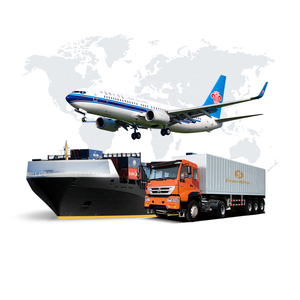
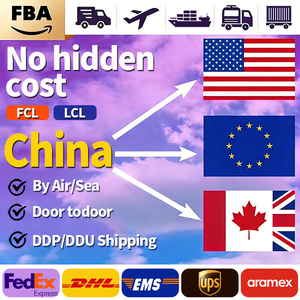

Fully regulated ocean transportation intermediary with transparent tariff publications.
CE certified refrigeration units (EN 12830 compliant) for pharmaceutical and food integrity.
Dedicated cold chain specialists managing door-to-door handoffs without automated ticket queues.
An authoritative technical guide for global procurement managers, pharmaceutical supply leads, and perishables exporters navigating European Union and international cold chain regulations.
In modern international maritime trade, maintaining uninterrupted cold chain integrity across multi-week ocean transits is a complex engineering challenge. A certified reefer (refrigerated container) supplier does not simply offer cargo space; they provide an engineered, climate-controlled micro-environment designed to mitigate thermal degradation, respiration damage, and moisture transfer. As an FMC-licensed ocean transportation intermediary and specialized refrigerated container exporter, our operations strictly integrate CE Certification benchmarks alongside international maritime standards to protect high-value perishable goods, biopharmaceuticals, and sensitive chemical compounds.
CE Certification (Conformité Européenne) for reefer shipping equipment is not merely a single mark; it represents a comprehensive matrix of European Union safety, environmental, and thermal accuracy directives. Equipment utilized in our reefer fleet complies with three crucial mandatory directives:
Key Insight for Buyers: Non-CE compliant reefer units risk border rejections at EU entry ports (such as Rotterdam, Hamburg, or Antwerp). Working with an FMC-licensed supplier with documented EN 12830 calibration certificates guarantees smooth customs entry and verifiable compliance during audits.
To enable precise procurement decisions, the table below outlines the core technical specifications for our CE-certified 20ft and 40ft High Cube (HC) reefer container equipment engineered for international shipping:
| Technical Parameter | 20ft ISO CE Reefer Spec | 40ft High Cube CE Reefer Spec | Compliance Standard |
|---|---|---|---|
| Temperature Control Range | -30.0°C to +30.0°C (±0.1°C precision) | -35.0°C to +30.0°C (±0.1°C precision) | ISO 1496-2 / EN 12830 |
| Refrigerant Gas | R-134a / R-513A (Low GWP) | R-404A / R-452A / R-513A | EU F-Gas Directive compliant |
| Insulation K-Factor | ≤ 0.38 W/m²K (Cyclopentane Foam) | ≤ 0.35 W/m²K (High-Density Polyurethane) | ATP Agreement Certification |
| Air Exchange (Micro-Ventilation) | 0 to 285 m³/hr (Adjustable fresh air) | 0 to 285 m³/hr (Controlled Atmosphere option) | USDA Cold Treatment Spec |
| Power Requirements | 380/460V AC, 3-Phase, 50/60 Hz | 380/460V AC, 3-Phase, 50/60 Hz | CE / IEC 60309 Plug Standard |
| Telematics & Data Logging | GPS / GSM Real-time IoT sensor array | Dual-frequency IoT + Bluetooth Probe link | 21 CFR Part 11 / GDP Compliant |
A certified reefer unit is only as trustworthy as the operational workflow that governs its release. Every container exported through our multimodal network undergoes a rigorous 18-Point Pre-Trip Inspection (PTI) prior to terminal release:
We combine licensed freight forwarding authority with deep technical cold chain execution to solve complex international cargo challenges.
As a Federal Maritime Commission licensed OTI and NVOCC, we publish official tariffs and execute legally compliant ocean freight contracts on major international shipping lanes.
We do not lock shippers into single-carrier schedules. We dynamically route reefer cargo across top-tier ocean alliances (2M, Ocean Alliance, THE Alliance) to balance speed and cost.
Full-spectrum customs brokerage management. We ensure smooth duty payments, tariff classification, phytosanitary certifications, and door-to-door delivery across the USA, Canada, UK, and EU.
Strategic analysis of technological shifts, sustainability mandates, and regulatory changes shaping the global cold chain over the next decade.
Global regulations (such as the EU F-Gas Regulation and Kigali Amendment) are driving a rapid transition away from high-GWP HFC refrigerants. Future reefer procurement requires dual-stage Scroll compressors using R-513A or natural CO2 (R-744) refrigerants. Concurrently, hybrid diesel-electric generator sets (Gensets) and solar-assisted battery buffers are becoming mandatory for landside intermodal moves.
Static temperature setting is evolving into dynamic, automated Controlled Atmosphere (CA) technology. Modern microprocessors dynamically balance oxygen (O2) and carbon dioxide (CO2) concentrations to slow down the respiration rate of perishable produce during 30+ day ocean voyages. Furthermore, machine learning models analyze compressor vibration and electrical drawdown to predict component failure days before it occurs.
Clear, engineering-focused and logistical answers to common search intent queries regarding temperature-controlled international freight.
CE certification verifies that the container's refrigeration machinery complies with strict European Health, Safety, and Environmental protection directives (including Machinery Directive 2006/42/EC and EN 12830 temperature logging rules). It ensures the equipment operates safely under high-voltage marine power grids and guarantees thermal logging accuracy within ±0.5°C, preventing product rejection at European ports of entry.
FCL (Full Container Load) reefer shipping dedicates an entire 20ft or 40ft container to a single shipper's cargo, allowing customized set-point temperatures (e.g., -20°C for frozen seafood or +4°C for produce). LCL (Less than Container Load) cold chain consolidates multiple smaller shipments that share identical temperature requirements (such as chilled +2°C to +8°C pharmaceuticals) into a single container, lowering cost for smaller volume shipments.
For overland highway transit exceeding 4 to 6 hours, reefer containers are mounted with specialized clip-on or underslung diesel Generator Sets (Gensets). These Gensets supply continuous 460V 3-phase power to the container's cooling unit independently of the truck engine, maintaining the exact thermal set-point throughout drayage.
Standard international cold chain documentation includes: Commercial Invoice, Detailed Packing List, Ocean Bill of Lading (or Air Waybill), Certificate of Origin, Phytosanitary or Health Certificates (for agriculture/seafood), Pre-Trip Inspection (PTI) Report, and the continuous EN 12830 Temperature Data Log for customs verification.
Connect directly with our FMC-licensed freight team. Receive custom route options, PTI verified container availability, and transparent DDP/DDU rate estimates within hours.