Primary Ocean Freight & Express Forwarding Solutions
Direct freight factory routes connecting China’s premier manufacturing zones (Ningbo, Shanghai, Shenzhen, Qingdao) with major import hubs across the USA, UK, EU, and Canada.
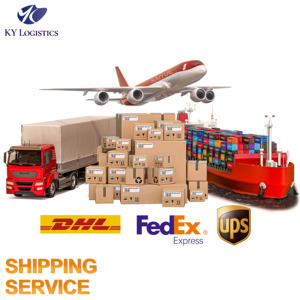
Air & Sea DDP LCL International Logistics Express Service
- Door-to-Door DDP Duties Paid
- LCL Consolidation Savings
- USA / UK / Canada Hubs
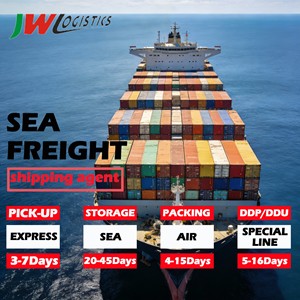
DDP / DDU Ocean Freight Forwarder & Express Dropshipping
- Flexible DDP & DDU Terms
- E-Commerce Dropshipping Ready
- Direct Vessel Allocations
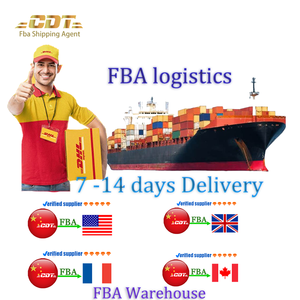
Maritime International DDP Door-to-Door Transport Agent
- Full European Coverage (DE/UK/IT)
- Customs Pre-Clearance
- End-to-End Tracking
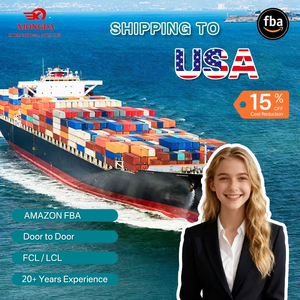
Fast-Transit Ocean Freight with 24/7 Digital Telemetry
- Priority Express Vessels
- Real-Time Container Monitoring
- Guaranteed Container Placement
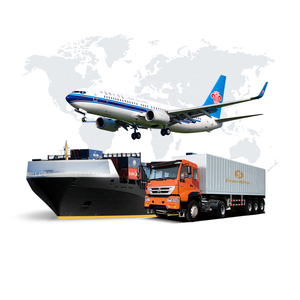
Amazon FBA Dedicated Door-to-Door Ocean Freight (FCL/LCL)
- Automated FBA Appointment Booking
- Palletization & Barcoding
- USA & Canada Fulfillment Hubs
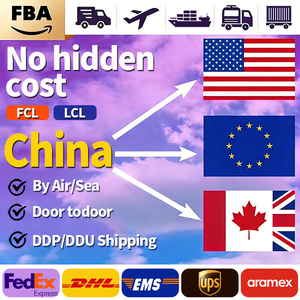
Integrated Multimodal Air & Sea DDP Logistics Engine
- Hybrid Sea-Air Expedited Lanes
- Customs Duty Brokerage Included
- Scalable B2B Freight Options
Air Cargo & Sea Charter Freight to USA, Germany & Spain
- Expedited Charter Capacity
- Spedition Germany Logistics Hub
- Tax & Duty Compliant Solutions
Professional Global Multimodal Shipping Agent Solutions
- Worldwide Port Network Access
- Dedicated Account Specialists
- All-Inclusive Freight Invoicing
Why Global Importers Partner with China's Premier Sea Freight Exporters
We bridge China’s vast manufacturing factory ecosystem with global commercial destinations through compliance-first ocean transport, transparent tariffs, and personal human oversight.
FMC-Licensed Regulatory Security
Operating under Federal Maritime Commission (FMC) credentials as a fully bonded NVOCC and Ocean Transportation Intermediary (OTI). Our published tariffs ensure legal integrity, financial stability, and rate security across transpacific and Asia-Europe lanes.
Human Logistics Specialists
Bypass automated ticket queues. Every shipment is managed end-to-end by a named logistics engineer who understands factory production bottlenecks, port congestion dynamics, and specific customs compliance requirements for your commodity.
Multimodal Seamless Integration
From ocean container vessels (FCL/LCL) to expedited air freight charters, cross-border trucking, and rail intermodal infrastructure. We orchestrate complex multimodal routes under a single unified Bill of Lading.
Carrier-Neutral Optimization
Unbound by single-carrier vessel commitments, we evaluate real-time blank sailings, transit times, and space allocations across ocean alliances (2M, Ocean Alliance, THE Alliance) to secure optimal freight rates and reliable vessel departures.
Customs & DDP Specialization
In-house customs clearance capabilities with deep mastery of ISF 10+2 filings, HTS code classifications, section 301 tariff mitigation, and complete DDP door delivery, including direct Amazon FBA warehouse fulfillment.
Specialized Project & Hazmat Cargo
Turnkey management of out-of-gauge (OOG) machinery, heavy-lift industrial equipment, temperature-controlled cold chains, and Class 9 dangerous goods (including lithium batteries) with rigorous IMDG compliance.
Architecting Resilient Global Supply Chains: The Strategic Role of China’s Sea Freight Exporters
In an era defined by volatile ocean spot rates, shifting geopolitical trade policies, and tightening customs scrutiny, securing a reliable maritime logistics channel from China to global destinations is no longer merely an operational detail—it is a cornerstone of enterprise competitive advantage. As one of China’s top sea freight factory and export logistics integrators, our mission is to eliminate risk across every nautical mile, transforming freight transportation from a cost center into a predictable, high-performing value stream.
Maritime ocean freight accounts for over 80% of global merchandise trade volume. When importing from industrial centers such as the Yangtze River Delta (Shanghai, Ningbo) or the Pearl River Delta (Shenzhen, Guangzhou), global enterprises face a multifaceted array of logistics decisions. Navigating Full Container Load (FCL) versus Less than Container Load (LCL) options, negotiating Incoterms 2020 (FOB vs. CIF vs. DDP), and managing final-mile drayage require technical expertise backed by regulatory credentials.
Many overseas buyers fall into the trap of selecting low base ocean freight rates, only to be overwhelmed by unexpected destination port charges, demurrage fees, and improper customs classification surcharges. A true factory-direct DDP (Delivered Duty Paid) program consolidates ocean freight, ISF filing, terminal handling charges (THC), customs duties, and last-mile trucking into a single, binding all-in price structure.
Comprehensive Freight Mode Comparison & Operational Matrix
Selecting the optimal shipping mode requires balancing total transit time, landed cost per unit, container volume, and inventory velocity requirements. Below is an executive guide utilized by our senior logistics engineers when structuring client transport agreements:
| Shipping Mode | Typical Transit Time | Cost / Volume Efficiency | Customs & Clearance Protocol | Ideal Cargo Application |
|---|---|---|---|---|
| FCL (Full Container Load) | 14 – 28 Days (Port-to-Port) | Maximum economy above 15 CBM; fixed unit cost | Single Importer of Record (IOR); simplified clearance | High-volume factory exports, standardized manufacturing goods |
| LCL (Less Than Container) | 18 – 35 Days (Door-to-Door) | Cost-effective for 1 – 14 CBM; pay only for space used | CFS deconsolidation required; shared multi-consignee manifest | Mid-tier SME imports, sample batches, scheduled replenishment |
| Sea-Air Hybrid Freight | 7 – 12 Days (Door-to-Door) | Moderate cost; 50% cheaper than direct air freight | Priority transit customs pre-clearance at ocean-to-air hubs | Time-sensitive apparel launch, electronics, seasonal inventory spikes |
| DDP Ocean Express | 16 – 22 Days (Factory-to-Door) | All-inclusive duty & drayage prepaid structure | Full destination duty, tax, and LAST-MILE FBA delivery handled | Amazon FBA sellers, e-commerce brands, turnkey direct distribution |
The 5-Step End-to-End Maritime Logistics Workflow
To ensure flawless execution, our operational team adheres to a strict 5-step shipping workflow that eliminates handoff vulnerabilities between factory loading gates and destination warehouses:
- Requirement & Incoterm Audit: We analyze product dimensions, total weight, packaging integrity, ready date, and contractual Incoterms to determine optimal carrier routing and tax liability structures.
- Carrier Selection & Route Optimization: We evaluate vessel schedules across major carrier alliances to bypass congested transit hubs and secure space allocation during peak shipping seasons.
- Origin Factory Pickup & Customs Export Declaration: Our local drayage fleet picks up cargo directly from China factories, managing drayage to departure terminals and processing export clearance with China Customs.
- Mid-Transit Telemetry & Pre-Clearance: While cargo is on the water, we submit ISF 10+2 documentation to US Customs (or equivalent entry filings for EU/UK), resolving potential holds before vessel arrival.
- Destination CFS Deconsolidation & Final-Mile Delivery: Upon vessel discharge, containers are routed to dedicated freight stations for rapid stripping, appointment booking, and direct lift-gate truck delivery to your facility.
Future Procurement Trends in International Maritime Supply Chains (2025–2030)
The global shipping landscape is undergoing structural transformations. Sourcing teams and supply chain executives must adapt to several emerging trends shaping China-to-Global trade lanes:
1. Nearshoring Synergies & Multimodal Diversification
While primary manufacturing remains anchored in China's robust industrial hubs, buyers are increasingly leveraging multimodal feeder routes. Sea-rail intermodal transportation via Western China corridors and sea-land routes through Southeast Asian hubs are complementing traditional ocean shipping, allowing flexible re-routing during port disruptions.
2. Green Maritime Corridors & Carbon Accounting (Scope 3 Compliance)
Environmental regulations such as the IMO 2030 carbon intensity targets and the EU Emissions Trading System (EU ETS) expansion to maritime transport mean exporters must track vessel CO2 emissions. Top sea freight forwarders are deploying LNG and methanol-powered vessel allocations, giving eco-conscious brands auditable carbon footprint reports for their ocean freight shipments.
3. Predictive AI Telemetry & Smart Container Tracking
Legacy tracking systems that updated status only upon port milestones are being replaced by IoT-enabled smart containers. Real-time sensor technology provides continuously updated GPS coordinates, internal temperature monitoring, shock detection, and AI-driven predictive ETA algorithms that account for weather and port dwell times.
Product & Technology Development Trends in Freight Forwarding
Technological advancement is revolutionizing how China’s top sea freight exporters manage cargo velocity and document accuracy:
- Digital Bills of Lading (eBL): Transitioning from physical paper Bills of Lading to blockchain-secured electronic Bills of Lading speeds up title transfers, cuts processing times from days to minutes, and reduces demurrage risk.
- Automated Customs Brokerage Interfaces: Direct API integration with customs databases enables instant HTS code validation, automated duty calculations, and rapid risk-scoring pre-clearance before vessels dock.
- Dynamic Capacity Aggregation: AI-driven spot market monitoring aggregates small-to-medium exporter volumes in real time, granting individual importers access to corporate-level tier-1 shipping rates.
Frequently Asked Questions by International Buyers
Essential logistics insights answered directly by our senior maritime operations specialists.
What is the key difference between FCL and LCL ocean shipping from China?
FCL (Full Container Load) reserves an entire 20ft or 40ft ocean container exclusively for your cargo, minimizing physical handling and offering the lowest shipping cost per cubic meter once cargo exceeds 13–15 CBM. LCL (Less than Container Load) consolidates your shipment alongside goods from other exporters in a shared container. While LCL is cost-effective for smaller volumes (1–14 CBM), it involves extra processing at Container Freight Stations (CFS) at both origin and destination ports.
Why should I choose DDP (Delivered Duty Paid) over FOB (Free on Board)?
Under FOB, your responsibility begins as soon as cargo is loaded onto the vessel in China, requiring you to independently manage ocean transit, import customs clearance, duty payments, and final destination trucking. Under DDP terms, our freight agency assumes complete end-to-end responsibility—covering ocean freight, export/import duties, local taxes, port handling fees, and direct door delivery to your warehouse or Amazon FBA center for a single, guaranteed all-in fee.
How do you handle demurrage and detention risks at busy ports?
Demurrage occurs when a container sits inside the port terminal past free days, while detention is charged for holding equipment outside the port past allowed timeframes. We mitigate these risks by filing ISF 10+2 declarations days before vessel arrival, securing extended 10–14 day free-time agreements directly with ocean carriers, and pre-booking local drayage trucks to pull containers immediately upon discharge.
What documents are mandatory for ocean freight export from China?
Essential documentation includes the Commercial Invoice, Packing List, Bill of Lading (or Telex Release), Customs Export Declaration, and Certificate of Origin. Depending on your commodity, specialized documentation such as Material Safety Data Sheets (MSDS) for dangerous goods, FDA registrations, or CE compliance certifications may be required for destination clearance.
How far in advance should ocean freight space be booked from China?
During standard periods, booking 2 to 3 weeks prior to cargo ready date (CRD) ensures container availability and favorable vessel routing. However, during peak shipping seasons—such as the pre-Golden Week push (September) or the pre-Chinese New Year surge (December–January)—we recommend booking 4 to 6 weeks in advance to avoid container roll-overs and peak season surcharges (PSS).
Ready to Optimize Your Ocean Freight Logistics from China?
Connect directly with an FMC-licensed logistics engineer to receive a comprehensive, itemized ocean freight quote for your exact lane and cargo specifications.