Ocean Freight Forwarder Fcl Container Sea Shipping China PORT AU PRINCE HAITI Global Logistics 40HQ/20GP/40GP Containers 26-48
FCL Ocean Freight
20GP / 40GP / 40HQ
Caribbean Route
Comprehensive freight forwarding programs engineered for OEM manufacturers, global importers, and cross-border enterprise procurement teams.
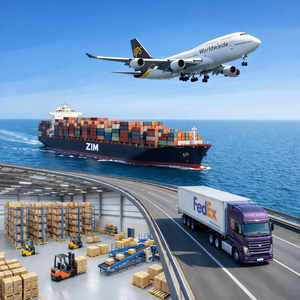
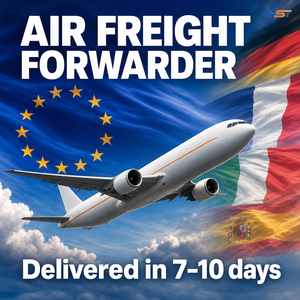
Eliminating supply chain fragmentation through accountable human oversight, carrier-neutral optimization, and full regulatory compliance.
We operate as a fully vetted Federal Maritime Commission (FMC) licensed Ocean Transportation Intermediary. This guarantees that your bill of lading is legally binding, supported by published tariffs, and fully compliant with U.S. and international maritime law.
Supply chains require agile problem solving. Instead of interacting with impersonal ticketing platforms, you are paired with a dedicated freight director who manages your cargo from factory gate pickup through final-mile delivery.
Because we maintain contracts with top-tier ocean alliances (2M, Ocean Alliance, THE Alliance) and major air cargo carriers, we select routes based on actual transit reliability, vessel space, and price efficiency rather than asset pushing.
Navigating cross-border duties, HTS code classifications, ISF 10+2 filings, and customs clearance can delay cargo. Our in-house brokerage teams ensure tax-paid, hassle-free door delivery across North America, Europe, and the Middle East.
From oversized machinery and temperature-sensitive electronics to rapid trade show logistics, we deploy specialized equipment including Open Tops, Flat Racks, Reefer units, and direct chartered aircraft.
Track your shipment milestones continuously. We combine modern automated status portals with proactive human communication, ensuring procurement and finance teams retain total visibility over inventory in transit.
The global manufacturing and supply chain landscape is undergoing a structural paradigm shift. As multinational brands, wholesale buyers, and industrial conglomerates optimize their procurement from Chinese manufacturing epicenters (such as the Yangtze River Delta and Pearl River Delta), freight forwarding strategies are evolving from simple carrier booking into high-level supply chain architecture.
Enterprise buyers increasingly demand all-inclusive DDP terms to remove foreign exchange risks, customs compliance exposure, and unexpected demurrage/detention fees at destination ports. Modern China wholesale logistics exporters must manage the complete lifecycle: origin drayage, export clearance, ocean/air transit, destination customs brokerage, and final-mile liftgate delivery.
Single-mode transport models are vulnerable to port congestion, canal delays, and geopolitical shifts. Leading logistics operators integrate ocean-rail intermodal networks, sea-air combinations via Dubai/Singapore hubs, and cross-border trucking corridors (such as China-Europe Express Rail) to build anti-fragile supply chains.
Selecting the optimal transportation mode requires balancing transit speed against volumetric freight rates and product margins. Below is an executive decision matrix utilized by our senior logistics strategists when mapping China-to-Global supply chain routes:
| Freight Mode | Typical Transit Time | Cost Index | Volumetric Weight Ratio | Ideal Cargo Intent & Commodity Types |
|---|---|---|---|---|
| Expedited Air Cargo | 1 – 4 Days | High ($$$$) | 1 : 6000 (1 CBM = 167 kg) | High-value electronics, production-line spare parts, samples, medical gear |
| Standard Air Freight | 5 – 8 Days | Medium-High ($$$) | 1 : 6000 (1 CBM = 167 kg) | Apparel, high-turnover consumer goods, seasonal e-commerce inventory |
| FCL Ocean Cargo (20GP/40HQ) | 14 – 35 Days | Optimal ($) | Gross Weight Container Limits | Heavy machinery, bulk wholesale goods, furniture, raw materials |
| LCL Ocean Consolidation | 18 – 40 Days | Low-Medium ($$) | 1 CBM = 1000 kg minimum | Mid-sized wholesale shipments (3 CBM to 15 CBM) not filling a container |
| Cross-Border Rail / Intermodal | 12 – 22 Days | Moderate ($$) | Containerized Rail Spec | Eurasian overland trade, heavy industrial components, eco-conscious brands |
*Transit times vary according to destination port efficiency, customs inspection frequency, seasonal peak congestion, and weather conditions.
Direct answers to critical procurement, regulatory, and shipping questions faced by global importers and enterprise supply chain directors.
FCL (Full Container Load) is most cost-effective when your cargo volume exceeds 13 to 15 cubic meters (CBM), or when cargo security is paramount, as the entire 20GP or 40HQ container is dedicated to your order. LCL (Less than Container Load) consolidates smaller freight volumes (1 to 13 CBM) into a shared container. While LCL saves money on smaller shipments, it involves container loading at origin Container Freight Stations (CFS) and de-consolidation handling at destination ports.
Under DDP (Delivered Duty Paid), the exporter/forwarder assumes total responsibility for all transit costs, export customs, main ocean/air freight, destination customs clearance, import taxes, Value Added Tax (VAT), and final delivery. Under DDU (Delivered Duty Unpaid, or DAP), the seller covers freight and delivery to the buyer's warehouse, but the buyer remains legally liable for paying import duties, local taxes, and clearance fees upon entry.
The Federal Maritime Commission (FMC) regulates ocean freight intermediaries operating in U.S. trade lanes. Working with an FMC-licensed Non-Vessel Operating Common Carrier (NVOCC) guarantees that your freight forwarder maintains financial bonding, complies with standard ocean tariffs, issues legally enforceable Bills of Lading, and operates under stringent regulatory oversight—protecting importers against freight fraud and arbitrary cargo holding.
Air cargo calculates chargeable weight using the volumetric formula: Length (cm) × Width (cm) × Height (cm) ÷ 6000 (or 5000 depending on carrier). Whichever is higher—gross actual weight or volumetric weight—becomes the billable metric. Ocean freight LCL calculates cost based on W/M (Weight or Measurement), where 1 CBM equals 1,000 kg. If your cargo is bulky but lightweight, you pay by cubic meter; if it is exceptionally heavy, cost is determined by tonnage.
Standard export clearance requires a Commercial Invoice, Detailed Packing List, Bill of Lading (B/L) or Air Waybill (AWB), and Certificate of Origin (CO). Depending on the commodity code, additional documentation may include Safety Data Sheets (SDS) for dangerous goods, export licenses, CE/FDA conformity certificates, or fumigation certificates for solid wood packaging.
Demurrage occurs when a container remains inside the port terminal beyond free allowed days, while detention applies to delays in returning empty containers after terminal exit. Mitigate these costs by pre-clearing customs documents via ISF 10+2 and AMS filings 72 hours prior to vessel berth, securing extended free-time agreements (e.g., 14 days free time at destination), and utilizing pre-booked drayage truckers for immediate pier pickup.