Featured China-to-Worldwide Freight & Hazmat Forwarding Solutions
Explore our top-tier freight forwarding programs designed for high-consequence chemical, industrial, and dangerous goods exports across major trade lanes.
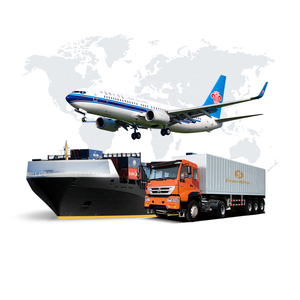

Navigating the China Wholesale Hazmat Logistics Landscape
An authoritative technical analysis of chemical supply chains, regulatory compliance frameworks, UN-certified packaging requirements, and international freight forwarding protocols.
As China continues to solidify its role as the global manufacturing powerhouse for raw chemicals, lithium-ion energy storage systems, industrial solvents, and advanced battery chemistries, the international demand for specialized China Wholesale Hazmat Logistics Manufacturers & Exporters has escalated exponentially. Navigating the regulatory complexities of shipping Dangerous Goods (DG) from Chinese industrial hubs—such as the Yangtze River Delta, Pearl River Delta, and Shandong Chemical Parks—to North American, European, and Asia-Pacific markets requires strict alignment with international maritime and aviation mandates.
Hazardous material transportation is not merely a matter of moving freight from point A to point B; it is an integrated engineering procedure governed by the International Maritime Dangerous Goods (IMDG) Code, the International Air Transport Association (IATA) Dangerous Goods Regulations (DGR), Title 49 of the U.S. Code of Federal Regulations (49 CFR), and China's Maritime Safety Administration (MSA) guidelines. Failing to adhere to these mandates can result in severe financial penalties, container impoundment at port of entry, and catastrophic supply chain disruptions.
1. Technical Classification Matrix for China Hazmat Exports
Exporting dangerous goods from Chinese manufacturers requires precise hazard class identification, UN number assignment, and verified Packing Group (PG I, PG II, or PG III) determination. Our logistics architecture covers all major Class 2 through Class 9 hazardous commodities:
| Hazard Class | Classification Category | Typical Export Commodities | Mandatory Compliance Docs |
|---|---|---|---|
| Class 2 | Gases (Flammable, Non-Flammable, Toxic) | Refrigerants, Aerosols, Industrial Compressed Gases | MSDS, UN Package Cert, Pressure Test Clearance |
| Class 3 | Flammable Liquids | Paints, Resins, Solvents, Adhesives, Ethanol Solutions | Flash Point Cert, MSDS/SDS, IMDG Declaration |
| Class 4 | Flammable Solids & Reactive Substances | Matches, Sulfur, Yellow Phosphorus, Activated Carbon | Spontaneous Combustion Audit, CIQ Inspection |
| Class 5 | Oxidizers & Organic Peroxides | Chemical Bleaches, Fertilizers, Polymerization Catalysts | Thermal Control Plan, UN Box Conformance |
| Class 6 | Toxic & Infectious Substances | Pesticides, Pharmaceutical Intermediates, Cyanides | Toxicology Assessment, Sealed Barrier Packaging |
| Class 8 | Corrosive Substances | Industrial Acids, Alkalis, Battery Fluids, Cleaning Agents | Corrosive Test Certificate, Acid-Proof Drum Spec |
| Class 9 | Miscellaneous Dangerous Goods | Lithium-ion Batteries, EV Modules, Energy Storage Systems | UN 38.3 Test Report, MSDS, Cargo Transport Cert |
Understanding these classifications enables our dedicated logistics specialists to engineer tailored multimodal routes—balancing speed, cost efficiency, and regulatory rigor for every shipment originating in China.
Core Hazmat Logistics Services & Freight Execution
Customized international transport frameworks designed to mitigate risk across air, ocean, rail, and cross-border trucking operations.
Expedited Hazmat Air Cargo
Direct passenger freighter and CAO (Cargo Aircraft Only) charter solutions for time-critical hazardous goods, high-value lithium battery packs, and sensitive chemical samples needing rapid door-to-door delivery.
FCL & LCL Ocean Hazmat Freight
FMC-licensed NVOCC container services including Full Container Load (FCL) dedicated DG space and Less than Container Load (LCL) hazardous consolidation networks across major global shipping lanes.
Cross-Border Rail & Intermodal
Cost-optimized container-on-rail solutions connecting Chinese chemical hubs to Europe and Central Asia, providing stable lead times and reduced carbon intensity for non-urgent bulk cargo.
DDP & DDU Door-to-Door Delivery
Turnkey international logistics management where we handle origin pickup, customs brokerage, duty payment, and final-mile liftgate transport directly to your manufacturing site or warehouse.
UN Packaging & Certificate Audits
On-site inspection and verification of UN-certified fiberboard boxes, steel drums, IBC totes, and dangerous goods declarations (DGD) to guarantee compliance before port entry.
Temperature-Controlled DG Freight
Active and passive reefer container management for temperature-sensitive organic peroxides, self-reactive substances, and specialized fine chemical intermediates.
Future Procurement Trends in China Hazmat Logistics
Key macroeconomic and technological shifts reshaping the sourcing, compliance, and shipping of hazardous materials over the next decade.
Trend 1: Accelerated Shift Toward Lithium-Ion & Clean Energy Storage Chains
With global electrification initiatives driving unprecedented demand for electric vehicles (EVs) and grid-scale Battery Energy Storage Systems (BESS), China remains the primary global supplier of lithium-ion cells and raw cathode materials. Sourcing Class 9 hazardous freight demands forwarders capable of managing UN 38.3 test reports, State-of-Charge (SoC) restrictions under 30% for air cargo, and thermal runaway prevention protocols during ocean voyages. Procurement teams are increasingly selecting logistics partners based on specialized battery safety capabilities rather than basic freight rates.
Trend 2: Real-Time IoT Telematics & Environmental Monitoring
Traditional hazardous cargo tracking relied on static milestone updates at port gates. Next-generation procurement frameworks require continuous visibility. Modern hazmat container fleets are now deployed with smart IoT sensors that stream real-time data regarding ambient temperature, humidity, shock impact, tilt angle, and atmospheric pressure inside the container. This data feed enables predictive exception management—allowing logisticians to intervene before temperature excursions trigger chemical degradation or safety risks.
Trend 3: Stricter Environmental ESG Compliance & Carbon Auditing
Global chemical conglomerates and European importers are subject to stringent Corporate Sustainability Due Diligence Directives (CSDDD) and carbon reporting standards. As a result, procurement managers sourcing hazmat from China are actively evaluating multimodal routing options—such as transitioning non-urgent air shipments to rail intermodal or LNG-powered ocean vessels—to lower Scope 3 supply chain emissions while maintaining total regulatory compliance.
Trend 4: AI-Driven Automated Dangerous Goods Pre-Clearance
Customs authorities worldwide (including US CBP and EU Customs) are implementing advanced algorithmic screening for hazardous imports. Missing MSDS information, incorrect HS codes, or minor discrepancies on Dangerous Goods Declarations (DGD) trigger immediate automated holds. Forward-thinking exporters are utilizing AI-assisted documentation verification systems that cross-reference chemical datasheets against regional tariff databases prior to vessel loading, reducing customs clearance delays by over 60%.
The Strategic BGI Advantage in Hazardous Logistics
Combining regulatory compliance, published ocean tariffs, dedicated human expertise, and multimodal flexibility to eliminate handoff errors.
FMC-Licensed Regulatory Trust
Operated as a Federal Maritime Commission (FMC) licensed Ocean Transportation Intermediary and NVOCC with a published ocean tariff. Our legal framework protects your commercial contracts and guarantees regulatory transparency across North American trade corridors.
Managed by Real People, Not Algorithms
We believe dangerous goods shipping requires human accountability. Every client is assigned a named logistics specialist who understands chemical transport rules, coordinates with port authorities, and provides immediate solutions when disruptions occur.
Carrier-Neutral Multimodal Routing
We do not lock your cargo into a single ocean carrier or airline asset. By maintaining neutral relationships across top-tier global shipping lines, we dynamically select routes based on current port congestion, transit reliability, and overall freight economy.
UN Packaging & Documentation Discipline
Freight failures rarely happen at sea—they happen at documentation handoffs. Our specialists perform pre-loading document audits, verifying MSDS/SDS sheets, CIQ dangerous goods certificates, and UN packaging specs prior to factory dispatch.
Transparent Door-to-Door Pricing
No hidden destination fees, unexpected demurrage charges, or surprise terminal handling surcharges. We provide detailed, all-in DDP and DDU freight estimates so procurement teams can calculate accurate landed costs for every SKU.
Specialized Industrial Cargo Expertise
From oversized chemical process skids and dangerous liquid ISO tanks to temperature-sensitive fine chemicals, our logistics engineers design custom dunnage, lashing, and handling protocols for high-consequence cargo.
Frequently Asked Questions (FAQ)
Clear, expert answers to key compliance, documentation, and operational questions encountered when sourcing hazardous cargo from China.
Engineer a Compliant, High-Performance Hazmat Supply Chain
Consult with our senior dangerous goods logistics directors to optimize your China-to-Worldwide export routes, ensure UN compliance, and receive an all-in freight quote.
Get a Quote