Featured OEM Freight & International Supply Chain Solutions
Verified multimodal DDP, FCL/LCL ocean freight, and expedited air cargo solutions tailored for original equipment manufacturers and exporters worldwide.
Air Sea DDP LCL Logistics Service China to USA/UK/Canada
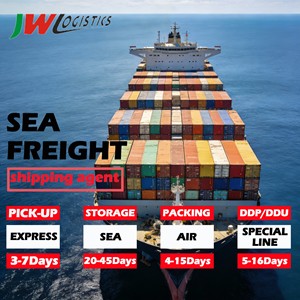
DDP/DDU LCL Express Sea Shipping Agent to UK/USA/FR/CA
Top Sea Freight Forwarder DDP Door To Door Transport
Fast Delivery 24-Hour Tracking Ocean Freight to USA
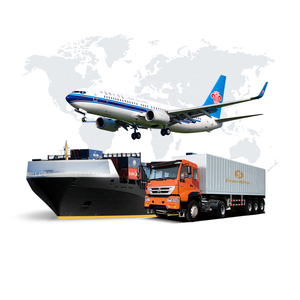
FCL/LCL Amazon FBA Door To Door Ocean Forwarder
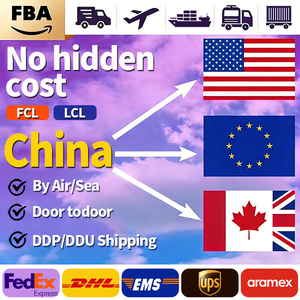
Top 10 Multimodal Air & Ocean Express Shipping Agent
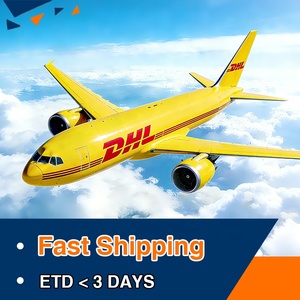
Direct Air Freight Forwarding China to USA/Germany/Spain
Worldwide Professional Logistics Forwarder for OEM Gear
Architectural Overview: Custom OEM Freight Quotation Engineering
In global industrial manufacturing, procuring original equipment manufacturer (OEM) components requires logistics planning far beyond simple freight forwarding. A Custom OEM Freight Quote serves as a comprehensive financial and operational roadmap. It balances landed cost calculation, duty optimization, regulatory compliance, Incoterms risk allocation, and multimodal route resilience.
Modern cross-border OEM supply chains cannot rely on generic, spot-market shipping estimates. High-value automotive sub-assemblies, precision machinery, industrial electronics, and bespoke raw materials demand tailored pricing models. These models account for volumetric weight ratios, container load optimization (FCL vs. LCL consolidation), bonded warehouse buffering, and specialized customs clearing protocols under tariff regimes such as Section 301 or EU CBAM.
At BGI Worldwide Logistics, operating as an FMC-licensed Ocean Transportation Intermediary (OTI) and non-vessel operating common carrier (NVOCC), we engineer enterprise-grade OEM freight solutions. By maintaining tariff transparency mandated by 46 CFR Part 520 and operating carrier-neutral routing networks across air, ocean, truck, and rail, we provide OEM suppliers and global buyers with predictable, cost-optimized shipping paths.
Multimodal OEM Transport Engineering: Air, Ocean, Truck & Rail
Selecting the correct logistics mode directly impacts inventory carrying costs, factory buffer stocks, and production schedules. Below is a structural analysis of how custom OEM freight quotations evaluate transport modes based on cargo density, urgency, and cost-per-kilogram parameters.
Expedited Air Freight
Utilized for high-value components, line-down emergencies, and prototype releases. Air freight operates at a 1:6000 volumetric ratio (1 CBM = 166.66 kg). Offers 1-to-5 day door-to-door SLA with direct carrier EDI integration.
Ocean Freight (FCL / LCL)
The backbone of mass OEM component export. FCL (Full Container Load) provides dedicated 20ft/40ft/40HC volume control. LCL (Less than Container Load) uses origin consolidation hubs to minimize costs for smaller batch deliveries.
Rail Intermodal & Cross-Border
Optimizes long-haul transport across North America (US-MX-CA) and Eurasia. Provides up to 40% cost reduction compared to long-distance motor truckload (FTL) while reducing total carbon emissions.
Mode Comparison & Technical Freight Metrics
| Transport Mode | Volumetric Ratio | Typical Transit Time | Incoterms Compatibility | Primary OEM Commodity Class |
|---|---|---|---|---|
| Expedited Air Cargo | 1 : 6000 (167 kg/CBM) | 1 – 4 Days | DDP, DAP, CPT, FCA | Microchips, Medical Devices, Urgent Spare Parts |
| Ocean Freight (FCL) | 1 : 1000 (1000 kg/CBM) | 18 – 35 Days | DDP, FOB, CIF, CFR | Heavy Machinery, Automotive Stamping, Castings |
| Ocean Freight (LCL) | 1 : 1000 (1000 kg/CBM) | 22 – 40 Days | DDP, DDU, EXW, FCA | Sub-assemblies, Hardware Kits, Aftermarket Parts |
| Cross-Border Trucking (FTL) | Weight/Space Constrained | 2 – 7 Days | FCA, DDP, DAP | Nearshored Components (Mexico to USA / Canada) |
| Intermodal Rail Freight | High-Density Load Limits | 5 – 12 Days | FCA, FOR, DAP | Raw Industrial Materials, Polymers, Bulk Castings |
Future Procurement Trends: OEM Freight Strategy (2025–2030)
The global manufacturing ecosystem is experiencing structural shifts driven by geopolitical realignments, digital visibility platforms, and environmental mandates. OEM procurement directors and logistics managers must design freight quotes that adapt to four critical mega-trends:
1. Nearshoring & Dual-Sourcing SCM Corridors
Enterprises are shifting from single-origin manufacturing models to "China+1" and nearshoring frameworks. Custom OEM freight quotes must now calculate multi-origin leg costs, comparing direct transpacific ocean lanes against cross-border rail and trucking corridors originating in Southeast Asia, Mexico, or Eastern Europe. This shift demands agile logistics partners capable of managing fragmented supply chains with unified tracking systems.
2. Automated Landed Cost Calculation & Duty Mitigation
Tariff volatility requires quotes to calculate duties, taxes, and customs fees down to the specific Harmonized System (HS) code. Advanced quotation platforms integrate real-time Tariff Schedules (HTSUS), Section 301 exclusions, Free Trade Agreement (FTA) preferential rates, and anti-dumping duty (ADD) risk monitoring. This granular accuracy prevents budget overruns during customs entry.
3. Real-Time Telemetry & Smart Containerization
Modern OEM supply chains rely on IoT-enabled tracking for full cargo visibility. Custom freight agreements increasingly include telemetry metrics—monitoring shock, temperature, humidity, and real-time GPS coordinates for high-precision OEM shipments. This data integration streamlines insurance claims processing and supports predictive inventory management.
4. Carbon Accounting & Scope 3 Decarbonization
Corporate Sustainability Reporting Directives (CSRD) mandate that multinational OEMs report scope 3 emissions generated across their transportation networks. Leading freight suppliers provide carbon emission estimates alongside cost quotes, enabling procurement officers to select green ocean corridors or biofuel-powered air transports to meet corporate ESG targets.
Mastering Incoterms 2020 & Landed Cost Optimization
A frequent failure point in OEM export management stems from misunderstandings surrounding Incoterms rules. Selecting the wrong term can expose buyers or suppliers to unexpected financial liabilities, port demurrage fees, and insurance coverage gaps.
When requesting a custom OEM freight quote, buyers and exporters should carefully evaluate the risk transfer points of key Incoterms:
- DDP (Delivered Duty Paid): The ultimate turnkey solution for buyers. The supplier/forwarder assumes all risk and financial responsibility, including customs clearance, tariffs, and final delivery to the buyer's warehouse. Highly recommended for seamless OEM assembly line replenishment.
- DAP (Delivered at Place): The seller pays transport costs to the named destination, but the buyer remains responsible for import customs clearance, duty payment, and local taxes. Ideal when buyers possess specialized local customs clearance arrangements.
- FOB (Free on Board): The seller handles export packing, origin inland trucking, and export customs clearance, transferring risk once goods are loaded onto the vessel. The buyer controls main ocean carriage rates and carrier selection.
- FCA (Free Carrier): Excellent for multimodal operations where the seller delivers cargo to a carrier or consolidation depot named by the buyer, facilitating early risk transfer while streamlining export documentation.
Why Global Manufacturers Partner with BGI Logistics
For decades, BGI Worldwide Logistics has served as a trusted freight architecture partner for international OEM suppliers, tier-1 automotive vendors, trade show exhibitors, and government contractors. Our infrastructure delivers key operational advantages for enterprise supply chains:
FMC Licensed & Regulated
As a Federal Maritime Commission licensed ocean transportation intermediary, we operate under published tariff regulations, ensuring full compliance and contract security for global ocean shipping.
Dedicated Specialist Support
We replace automated ticket queues with named logistics managers. Your team gains direct access to an expert who understands your account, commodities, and delivery deadlines.
Carrier-Neutral Routing
We maintain independent relationships with top ocean container alliances, air cargo carriers, and motor freight fleets. This neutrality allows us to route cargo based on performance, speed, and cost efficiency.
Frequently Asked Questions: OEM Freight Quotation & Procurement
Answers to common technical, compliance, and modal selection questions encountered by buyers and exporters.
What specific details are required to obtain an accurate custom OEM freight quote?
To generate an accurate, all-inclusive freight quote, supply the exact pickup and delivery addresses, detailed commodity descriptions (with HS codes if available), piece counts, total weight, precise dimensions (L x W x H per package), ready date, required target arrival date, preferred Incoterms (e.g., DDP, FOB), and any special handling needs (such as dangerous goods, temperature control, or flat-rack containers).
How does BGI mitigate unexpected demurrage, detention, and port storage charges?
We mitigate port fees by establishing pre-clearance customs documentation protocols prior to vessel arrival, arranging extended free-time agreements with ocean carriers, monitoring container discharge milestones in real time, and maintaining dedicated drayage truck fleets for immediate port pickup.
What is the financial threshold for choosing FCL over LCL ocean shipping?
Generally, when shipment volumes exceed 13 to 15 cubic meters (CBM), Full Container Load (FCL) becomes more cost-effective than Less than Container Load (LCL). Additionally, FCL eliminates the extra handling and origin/destination consolidation time associated with Container Freight Stations (CFS), lowering risk for delicate OEM assemblies.
Why is working with an FMC-licensed forwarder critical for U.S. OEM importers?
Federal Maritime Commission (FMC) licensing ensures that an Ocean Transportation Intermediary complies with legal financial bonding, regulatory oversight, and transparent tariff publication rules under U.S. maritime law. This legal standing protects shippers against contract fraud, unauthorized fee spikes, and legal liability.
How are volumetric (chargeable) weights calculated for OEM air cargo quotes?
Air cargo pricing applies either actual gross weight or volumetric weight—whichever is greater. Volumetric weight is calculated using the standard IATA formula: Length (cm) x Width (cm) x Height (cm) / 6000 (or L x W x H in inches / 166 for lbs). Properly packaging high-volume, low-weight OEM goods reduces volumetric surcharges.
Can BGI handle specialized oversized machinery, project cargo, or trade show exhibits?
Yes. Our project logistics department handles out-of-gauge (OOG) machinery, open-top containers, flat racks, heavy-lift transport, and time-critical trade show exhibit freight—managing advance warehouse deliveries, marshaling yard scheduling, and return transport.
Request Your Custom OEM Freight Quote Today
Connect with our senior logistics engineering team for an all-inclusive rate analysis across Air, Ocean, Truck, and Rail modes. Get clear pricing with guaranteed SLA execution.