OEM/ODM Global Drayage & Multimodal Freight Solutions
Explore our ocean, air, and port drayage solutions engineered specifically for overseas buyers, high-volume OEM factories, and global exporters demanding rapid port turnarounds and transparent execution.
Cheapest Air Sea DDP LCL International Logistics Service Top 10 China to USA UK Canada Express Freight Forwarder Shipping Agent
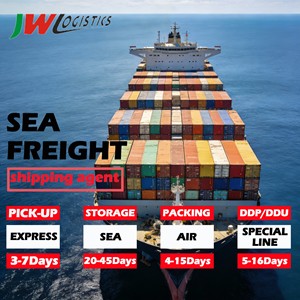
Cheapest Shipping Agent Sea Freight Forwarder DDP DDU LCL Express Sea Shipping Agent Dropshipping DHL Shipping to UK/USA/FR/CA
Top Sea Freight Forwarder Agent Shipping DDP Door To Door Transport Maritime International China To Canada Usa Italy Germany UK
Fast Delivery Logistics Forwarder 24-Hour Track Ocean Sea Freight Forwarder Transitaire Shipping Agent From China to USA by Sea
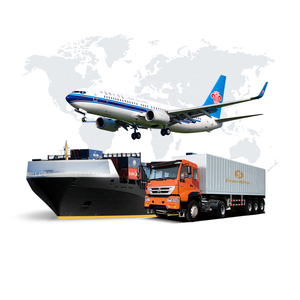
China Sea Freight Forwarder To USA Canada Amazon FBA Door To Door FCL LCL Express Shipping Agent
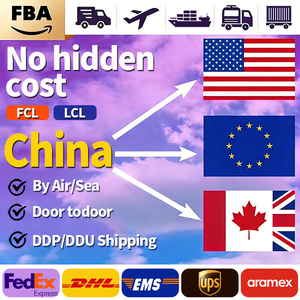
Air Sea DDP LCL International Logistics Service Top 10 China to USA UK Canada Express Freight Forwarder Shipping Agent
Top 10 Air Freight Forwarder China To Usa Germany Spain Ddp Shipping Agent Services Logistique Spedition China Nach Deutschland
Professional Logistics Shipping Agent Sea/air/Express Freight Forwarder From China to USA EU UK CANADA Worldwide
Why Manufacturing Enterprises & Global Brands Partner with Us
In global drayage and ocean transportation, success is decided in the first and last mile. We bridge manufacturing floors directly to container terminals through specialized fleet management, FMC-regulated ocean contracts, and dedicated operational experts.
FMC-Licensed Regulatory Authority
As a fully compliant Federal Maritime Commission (FMC) licensed Ocean Transportation Intermediary and NVOCC, we maintain published tariffs and legally binding carrier contracts. This protects your enterprise from unverified surcharges, ensuring full regulatory security for transpacific and transatlantic trade lanes.
Human Accountability (Real-Person Desk)
We reject automated, faceless ticketing platforms. Every OEM/ODM client is paired with a dedicated logistics specialist who manages your specific factory pickup windows, pier pass reservations, and customs holds, answering calls directly when schedules change at the berth.
Carrier-Neutral Fleet Flexibility
Rather than relying on locked asset pools, we leverage a dynamic, vetted network of motor carriers, chassis pools, and rail intermodal partners. This guarantees priority container pulls even during peak terminal congestion and chassis shortage crunches.
Future Sourcing & Drayage Trends (2025–2030)
The global manufacturing ecosystem is shifting from pure low-cost production to agile, resilient supply networks. OEM/ODM exporters must align their logistics operations with next-generation port infrastructure and geopolitical procurement changes.
1. Nearshoring & Multi-Node Drayage Corridors
As global factories decentralize across Southeast Asia, Mexico, and Eastern Europe, traditional single-lane drayage is evolving into complex multi-node ecosystems. Future procurement mandates drayage partners capable of seamlessly orchestrating cross-border trucking (FTL/LTL), short-sea shipping, and inland intermodal ramp transfers without administrative friction.
2. Real-Time Telemetry & Predictive Gate Reservations
Artificial intelligence and IoT-enabled container tracking are changing port logistics. Emerging industry benchmarks require predictive ETA modeling that dynamically re-routes drayage drivers based on real-time port crane productivity, terminal gate queue times, and automated container availability triggers to eliminate detention costs.
3. Decarbonization & Green Port Fleet Mandates
Environmental Scope 3 emissions reporting is becoming legally mandatory across the EU and North America. High-volume exporters are actively shifting drayage contracts to providers deploying battery-electric heavy-duty trucks (BEVs) and hydrogen fuel cell drayage fleets for short-haul port transfers, directly supporting corporate ESG objectives.
4. Factory-to-Port Transloading Supremacy
To reduce ocean container detention risks and optimize inland freight costs, the market is moving rapidly toward marine-terminal-adjacent transloading. By pulling 40ft/45ft ocean containers directly to off-dock facilities and re-consolidating goods into 53ft domestic trailers, OEM exporters reduce total domestic transport runs by 33%.
Mode Selection Guide for International OEM Buyers
A rigorous logistics matrix utilized by our senior supply chain engineers to evaluate transit speeds, cost per container kilometer, and structural risk across global transport modes.
| Transport Mode | Typical Transit Time | Relative Cost Index | Capacity Scaling | Ideal Cargo Profile | Drayage Integration Level |
|---|---|---|---|---|---|
| Expedited Port Drayage + FCL Ocean | 14 – 28 Days (Port-to-Port) | Lowest Cost / Volume | 20ft / 40ft / 40ft HC Containers | High-volume OEM finished goods, heavy machinery, raw materials | High (Factory pickup to Pier Gate) |
| Consolidated LCL Ocean Drayage | 18 – 35 Days (CFS-to-CFS) | Moderate per CBM | Partial Container Space (1-15 CBM) | Mid-tier ODM orders, scheduled component replenishment | Medium (Requires CFS deconsolidation) |
| Rail Intermodal (COFC / TOFC) | 5 – 12 Days (Inland Corridor) | Economical Long-Haul | 53ft Domestic / 40ft ISO Containers | Cross-country bulk movements over 500+ miles | High (Intermodal Ramp Drayage) |
| Air Freight Cargo Forwarding | 1 – 5 Days (Airport-to-Airport) | Premium Rate | ULD Pallets / Loose Cargo | Emergency prototype parts, high-value electronics, line-down risks | Low (Airport Roller Bed Pickups) |
Our 5-Stage Controlled Drayage Protocol
Freight failures rarely happen in deep-sea transit; they happen during local handoffs. Our systematic 5-step operational protocol guarantees continuous chain-of-custody control.
Pre-Clearance & Order Audit
Prior to factory dispatch, we audit commercial invoices, packing lists, HTS classifications, and ocean bills of lading to ensure zero customs hold delays upon vessel arrival.
Factory Drayage Dispatch
We deploy specialized tri-axle chassis and heavy-haul drayage trucks to your OEM manufacturing facility, coordinating live-loads or drop-and-hook operations to match factory shift schedules.
Marine Terminal Transfer
Securing early terminal gate appointments via pier pass algorithms, our drivers deliver loaded containers directly to assigned vessel stacks before cargo cut-offs (ERD/CY cut).
Ocean Vessel Monitoring
During maritime transit, our NVOCC desk tracks container telemetry, monitoring port congestion index updates at destination terminals to prepare immediate off-dock dispatch.
Destination Pull & Final Delivery
Upon discharge, our destination dray fleet pulls containers within free-time windows, delivering directly to distribution centers, cross-dock warehouses, or intermodal rail ramps.
OEM/ODM Drayage & Logistics Sourcing FAQ
Definitive answers to high-intent questions asked by supply chain managers, factory exporters, and international procurement leaders.
What exactly is port drayage, and why is it crucial for OEM/ODM factories?
Port drayage is the short-distance transport of containerized cargo between ocean ports, inland rail terminals, container freight stations (CFS), and manufacturing plants. For OEM/ODM factories, drayage represents the vital first mile. Efficient drayage prevents missed vessel departures, eliminates costly port demurrage penalties, and ensures smooth integration with ocean carrier schedules.
How do you mitigate expensive demurrage and detention fees at busy container terminals?
We prevent demurrage (fees for containers staying too long inside the port terminal) and detention (fees for keeping empty containers past free-time windows) through proactive pre-clearance, automated gate appointment booking, pre-pulling containers to secure off-dock yards, and maintaining dedicated private chassis fleets to avoid equipment shortages.
What is the functional difference between FCL and LCL drayage services?
FCL (Full Container Load) drayage involves hauling a dedicated 20ft, 40ft, or 45ft container directly from a factory to the port stack. LCL (Less than Container Load) drayage involves moving consolidated cargo from multiple suppliers to a Container Freight Station (CFS), where it is combined into a single container before being drayed to the marine pier.
Why is working with an FMC-licensed NVOCC critical for global ocean drayage?
An FMC (Federal Maritime Commission) license certifies that a freight forwarder or NVOCC operates under strict financial responsibility standards, maintains legally registered ocean tariffs, and possesses authority to issue binding bills of lading. This protects OEM exporters against unauthorized price spikes and guarantees legal recourse in international shipping.
Can your drayage network handle overweight or out-of-gauge (OOG) factory equipment?
Yes. We operate specialized drayage equipment including multi-axle heavy haulers, lowboys, drop-deck trailers, and tri-axle chassis. Our team manages specialized overweight port permits, route surveys, and police escorts for complex machinery and industrial OEM equipment export.
What specific documentation is mandatory for seamless international port drayage dispatch?
Smooth drayage dispatch requires a accurate Commercial Invoice, Detailed Packing List, Delivery Order (DO), Bill of Lading (Master or House B/L), Customs Release Authorization, and, for specialized cargo, Safety Data Sheets (SDS) or Equipment Interchange Receipts (EIR).
Optimize Your OEM/ODM Drayage Operations Today
Consult with our licensed logistics directors to eliminate demurrage risks, secure reliable container drayage capacity, and streamline your global ocean freight pipeline.
Get a Quote