High-Efficiency OEM/ODM Shipping & Retail Distribution Solutions
Explore our specialized multimodal freight services tailored for global manufacturers, retail suppliers, and cross-border e-commerce brand owners.
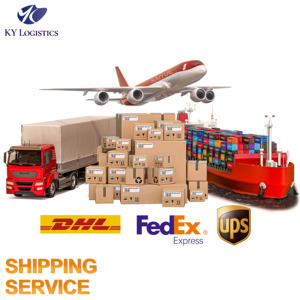
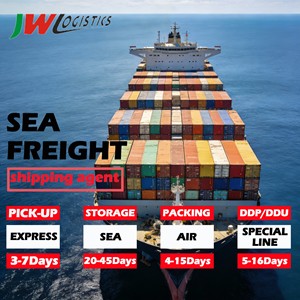
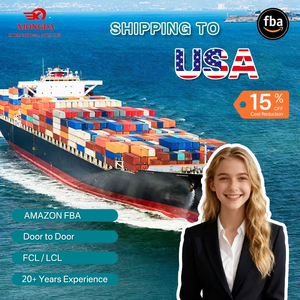
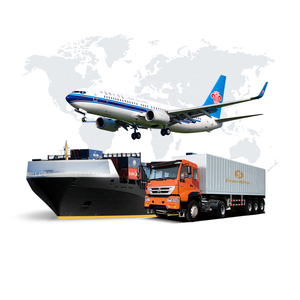
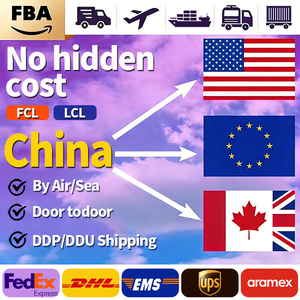
Architecting Resilient Logistics for OEM/ODM Manufacturers & Exporters
Original Equipment Manufacturers (OEM) and Original Design Manufacturers (ODM) operate in high-precision production ecosystems where supply chain disruptions equate to catastrophic revenue losses. Modern retail supply chains demand flawless synchronization between assembly lines, regional consolidation hubs, overseas maritime transit, and final-mile distribution networks.
1. Origin Consolidation & Quality Prep
OEM/ODM goods sourced across disparate factories in Asia require systematic origin aggregation to minimize landed costs and prevent shipping delays.
- Multi-supplier LCL consolidation into dedicated FCL containers.
- Custom retail packaging, pre-shipment inspection, and SKU relabeling.
- Amazon FBA palletization and compliance verification prior to export.
2. Multimodal Freight Optimization
Combining speed and economic efficiency through dynamic routing tailored to product lifecycle stages and retail lead times.
- Express Air Freight for high-value seasonal launches and urgent component replenishment.
- FMC-licensed FCL/LCL ocean shipping with contract carrier rate stability.
- Rail Intermodal and cross-border trucking throughout North America and Europe.
3. Regulatory & Customs Compliance
Navigating complex international customs regulations, tariff structures, and documentation protocols to eliminate port demurrage.
- DDP (Delivered Duty Paid) & DDU (Delivered Duty Unpaid) door-to-door execution.
- FMC-compliant tariff publishing and Ocean Transportation Intermediary oversight.
- Automated Customs Brokerage coordination, HTS code audit, and duty mitigation.
Why Enterprise Shippers Partner With Our Logistics Network
In an industry increasingly dominated by impersonal digital algorithms and automated ticket queues, our enterprise framework combines regulated maritime authority with dedicated logistics specialists who own every outcome.
Real People Accountability
Unlike automated portals that trap your inquiry in support queues, every account is managed by a named logistics specialist. When port conditions change or production delays occur, you have immediate access to expert problem solvers.
FMC-Licensed Protection
Operating as a Federal Maritime Commission (FMC) licensed ocean transportation intermediary with published tariffs guarantees strictly regulated shipping practices, contractual protection, and transparent pricing structures for every container.
Carrier-Neutral Flexibility
We remain carrier-neutral across top-tier ocean alliances (2M, OCEAN Alliance, THE Alliance) and air freight carriers, ensuring your freight is routed based on transit speed, reliability, and cost-effectiveness rather than fixed asset quotas.
Future Procurement & Sourcing Trends in Retail Logistics
As global trade paradigms shift, OEM/ODM manufacturers and retail procurement directors must adapt to emerging macro trends shaping international freight forwarder networks.
1. The Rise of "China + 1" & Nearshoring Integration
Retail procurement strategies are increasingly diversifying assembly across Southeast Asia (Vietnam, Malaysia, Indonesia) and Latin America (Mexico). Freight forwarding partners must offer unified control towers that manage fragmented origin points while maintaining single-window visibility for North American and European headquarters.
2. Direct-to-Consumer (D2C) & Omnichannel Convergence
Traditional OEM manufacturing was historically built around bulk B2B container movements. Today’s retail manufacturers must support hybrid fulfillment—moving FCL shipments to regional 3PL hubs while simultaneously fulfilling split LCL orders directly to Amazon FBA warehouses and e-commerce distribution nodes.
3. Predictive Visibility & Risk Mitigation
Geopolitical challenges across key maritime corridors (Suez Canal, Panama Canal, Red Sea) necessitate predictive transit modeling. Modern retail logistics relies on real-time AIS tracking, dynamic rerouting capabilities, and automated exception management to uphold inventory velocity.
Comparing Shipping Modes for OEM/ODM Retail Export
Evaluating cost, velocity, and ideal cargo profiles across air, sea, and intermodal transport channels.
| Transport Mode | Avg. Transit Time | Relative Cost | Optimal Cargo Volume | Best Suited For |
|---|---|---|---|---|
| Expedited Air Freight | 1 – 4 Days | High | < 500 kg / Low CBM | High-value consumer electronics, prototypes, emergency line-down spare parts. |
| Standard Air Cargo | 4 – 7 Days | Moderate-High | 500 kg – 3,000 kg | Seasonal product rollouts, tight inventory replenishment windows. |
| Ocean Freight FCL (20'/40' HQ) | 14 – 35 Days | Economical | > 15 CBM (Full Load) | Mass production runs, bulky furniture, hardware, high-volume retail goods. |
| Ocean Freight LCL (Consolidation) | 18 – 40 Days | Low-Moderate | 1 – 15 CBM | Small-batch OEM shipments, multi-supplier trial orders, e-commerce stock. |
| Rail & Intermodal Transport | 7 – 14 Days (Domestic/Cross-Border) | Economical | Containerized / Heavy Freight | Long-haul North American inland freight, low-emission overland routing. |
Optimize Your OEM/ODM Supply Chain Today
Consult with our licensed freight forwarders to design a customized air, ocean, or multimodal shipping strategy tailored to your retail production deadlines.
Send an InquiryFrequently Asked Questions by International Buyers & Retail Shippers
Essential guidance on Incoterms, customs compliance, freight modes, and manufacturing logistics coordination.
Should I ship my OEM/ODM cargo by air freight or ocean freight?
The choice depends primarily on cargo value, weight, and lead-time constraints. Air freight offers rapid door-to-door transit (typically 1 to 7 days) and maximum security, making it ideal for high-margin electronics, seasonal fashion samples, or critical assembly components. Ocean freight (FCL or LCL) costs significantly less per kilogram but requires longer transit times (typically 2 to 6 weeks depending on port pairs). If your cargo volume exceeds 13–15 cubic meters (CBM), booking a Full Container Load (FCL) standard ocean shipment offers the lowest landed cost.
What is the difference between FCL and LCL ocean shipping for retail goods?
Full Container Load (FCL) means your shipment exclusively occupies an entire 20-foot or 40-foot ocean container, minimizing handling risks and expediting port discharge. Less than Container Load (LCL) consolidates your freight with cargo from other shippers into a shared container. LCL allows OEM/ODM buyers to ship smaller batch quantities without waiting to fill a full container, though it incurs additional handling steps at Container Freight Stations (CFS) at origin and destination.
How do DDP and DDU Incoterms impact my retail procurement logistics?
Under DDP (Delivered Duty Paid), the seller or logistics forwarder assumes complete responsibility for door-to-door transport, export paperwork, ocean/air freight, destination customs clearance, and payment of import duties and taxes. This provides hassle-free delivery directly to your distribution center or Amazon FBA hub. Under DDU (Delivered Duty Unpaid) or DAP (Delivered at Place), the buyer retains responsibility for paying local customs duties and clearance fees upon arrival. DDP is widely favored by e-commerce brands and retail buyers seeking predictable landed costs.
What core documentation is required for international freight forwarding?
Standard international export shipments require a Commercial Invoice, Detailed Packing List, and a Transport Document—either a Marine Bill of Lading (B/L) for ocean shipping or an Air Waybill (AWB) for air cargo. Depending on destination regulations and commodity types, additional compliance documentation may include Certificates of Origin, Safety Data Sheets (SDS) for dangerous or battery-operated goods, Export Declarations, and specific import permits.
Why is working with an FMC-licensed Ocean Transportation Intermediary critical?
In the United States, the Federal Maritime Commission (FMC) regulates ocean freight forwarders and Non-Vessel-Operating Common Carriers (NVOCCs). Partnering with an FMC-licensed forwarder ensures that your shipping partner maintains financial security bonds, complies with strict maritime consumer protection laws, and operates under transparent, legally published tariffs. This protects importers against arbitrary fee surcharges and unvetted carrier contracts.
How can OEM/ODM manufacturers prevent Amazon FBA rejection during delivery?
Amazon enforces strict warehouse delivery guidelines regarding pallet heights, box labeling, carton dimensions, and appointment scheduling via Carrier Central. Our specialized retail freight services ensure cargo is inspected at origin, properly palletized according to ISPM-15 heat-treatment standards, labeled with scannable FBA barcodes, and delivered by vetted trucking carriers with confirmed appointment slots.