Architecting Resilient Enterprise Supply Chains
Navigating international bulk logistics requires move-by-move accountability, regulatory precision, and carrier-neutral routing. This benchmark report analyzes tier-one bulk shipping factories, global freight forwarders, and multimodal solutions tailored for high-volume cross-border procurement.
FMC
Licensed OTI / NVOCC
100%
End-to-End Visibility
24/7
Human Desk Support
180+
Global Ports Serviced
Featured Bulk Shipping Solutions & Services
Explore our top-performing ocean, air, and DDP freight consolidation offerings designed for industrial supply chains.
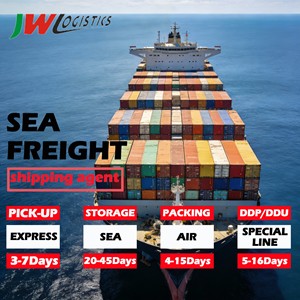
Cheapest Shipping Agent Sea Freight Forwarder DDP DDU LCL Express Sea Shipping Agent Dropshipping DHL Shipping to UK/USA/FR/CA
Send an Inquiry
Top Sea Freight Forwarder Agent Shipping DDP Door To Door Transport Maritime International China To Canada Usa Italy Germany UK
Send an Inquiry
Fast Delivery Logistics Forwarder 24-Hour Track Ocean Sea Freight Forwarder Transitaire Shipping Agent From China to USA by Sea
Send an Inquiry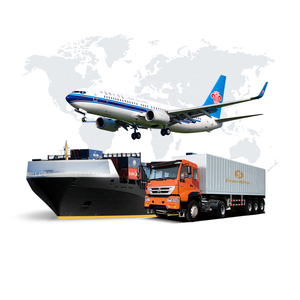
China Sea Freight Forwarder To USA Canada Amazon FBA Door To Door FCL LCL Express Shipping Agent
Send an Inquiry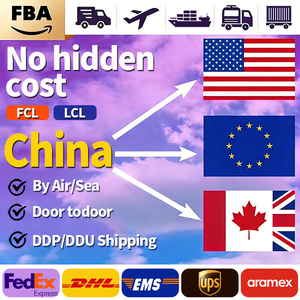
Air Sea DDP LCL International Logistics Service Top 10 China to USA UK Canada Express Freight Forwarder Shipping Agent
Send an Inquiry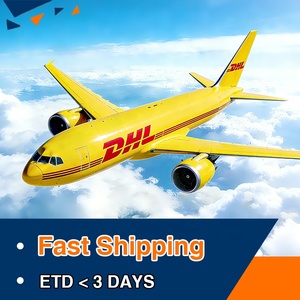
Top 10 Air Freight Forwarder China To Usa Germany Spain Ddp Shipping Agent Services Logistique Spedition China Nach Deutschland
Send an Inquiry
Professional Logistics Shipping Agent Sea/air/Express Freight Forwarder From China to USA EU UK CANADA Worldwide
Send an InquiryFuture Procurement & Logistics Trends (2026–2030)
Key structural shifts reshaping global enterprise freight allocation, risk management, and vendor selection.
AI-Driven Dynamic Routing
Supply chain executives are shifting from fixed contractual routes to algorithmic real-time carrier optimization. Predictive analytics mitigate port congestion, geopolitical bottlenecks, and seasonal ocean tariff volatility.
Escalated ESG Compliance
Decarbonization mandates enforce carbon accounting across Scope 3 shipping emissions. Ocean carriers utilizing LNG, dual-fuel vessels, and intermodal rail integration are prioritized by institutional bulk buyers.
Hybrid DDP & Bonded Warehousing
To minimize landed costs, importers increasingly utilize nearshore bonded warehouses combined with consolidated DDP (Delivered Duty Paid) models, streamlining customs clearance and liquidity management.
Evolution of Bulk Shipping Manufacturing & Procurement
How modern freight logistics evolved from legacy port-to-port bookings to integrated end-to-end supply orchestration.
Phase 1: Legacy Models
Transactional Freight Handling
Historically, bulk procurement relied on fragmented handoffs: separate freight forwarders, localized customs brokers, and uncoordinated drayage operators. This resulted in hidden demurrage costs and severe operational blind spots.
Phase 2: Digital Transition
Portal Visibility & Consolidation
The introduction of automated container tracking (FCL/LCL) allowed importers to monitor transit milestones. LCL hub consolidation emerged, reducing shipping expenses for mid-volume industrial buyers.
Phase 3: Modern Ecosystem
Human-Centric Tech Networks
Today's standard combines FMC-regulated licensing with dedicated named logistics specialists. Enterprise supply chains leverage multimodal execution (Air, Ocean, Truck, Rail) managed under a single point of accountability.
Why Industry Leaders Partner with BGI Logistics
Verified expertise, regulatory compliance, and customized execution for global commercial, government, and specialized shipments.
FMC-Licensed Regulatory Trust
As a Federal Maritime Commission (FMC) licensed ocean transportation intermediary with published tariff access, BGI guarantees compliance with U.S. maritime laws and international shipping standards.
Human Logistics Specialists
Skip anonymous call centers and automated ticketing queues. Enterprise clients are assigned dedicated logistics professionals who manage routing exceptions, documentation, and carrier negotiations directly.
Carrier-Neutral Optimization
Without asset-heavy biases, BGI dynamically evaluates top ocean lines, air cargo carriers, and rail operators to construct tailored transit schedules balancing velocity, cost, and safety.
Bulk Shipping & Logistics Procurement FAQ
Expert responses to critical international freight, customs clearance, and modal selection queries.
Q Should I choose air freight or ocean freight for bulk enterprise shipments?
Opt for air freight when speed, high cargo value, or strict production deadlines override cost considerations; typical airport-to-airport transit requires only 1 to 7 days. Select ocean freight (FCL or LCL) for heavy, high-volume, or planned inventory replenishment. Ocean freight provides significantly lower cost-per-kilogram rates, though port-to-port transit spans several weeks depending on the trade lane.
Q What is the cost and operational difference between FCL and LCL ocean freight?
FCL (Full Container Load) reserves a dedicated 20ft or 40ft container for your cargo, offering the lowest unit cost for volume shipments above 13–15 CBM while minimizing handling risk. LCL (Less than Container Load) consolidates your cargo with goods from other shippers in shared containers. LCL enables flexible smaller bulk orders without paying for unused space, though it involves additional handling at origin and destination Container Freight Stations (CFS).
Q What key data is required to secure an binding bulk freight quote?
Accurate quotes require precise pickup and delivery addresses, full commodity descriptions, total piece counts, gross weight, exact dimensions per unit, ready date, and agreed Incoterms (e.g., FOB, CIF, DDP). Providing HS codes and declared commercial values further allows logistics specialists to accurately estimate duties, taxes, and cargo insurance premiums.
Q What documentation is legally mandatory for international bulk shipping clearance?
Core export/import documentation includes a Commercial Invoice, Detailed Packing List, and transport contract documents such as a Master Bill of Lading (ocean) or Air Waybill (air). Depending on commodity types and destination customs laws, additional requirements may include Certificates of Origin, Export Declarations, Import Licenses, and Safety Data Sheets (SDS) for hazardous or regulated chemical goods.
Q Is BGI Worldwide Logistics fully licensed for regulated ocean transport?
Yes. BGI Worldwide Logistics operates as an FMC-licensed Ocean Transportation Intermediary (OTI) and Non-Vessel Operating Common Carrier (NVOCC). We maintain strict adherence to U.S. Federal Maritime Commission regulations and maintain publicly accessible tariff schedules for total commercial transparency.
Q How far in advance should trade show freight or specialized event logistics be booked?
For domestic events, schedule shipments at least 2 to 3 weeks prior to target delivery dates to meet advance warehouse receiving deadlines. For international trade shows, initiate logistics planning 4 to 8 weeks in advance to accommodate ocean/air transit windows, customs pre-clearance, ATA Carnet documentation, and strict on-site booth delivery marshaling schedules.
Streamline Your Bulk Global Logistics Network
Consult with BGI’s licensed logistics specialists to construct an optimized, cost-efficient ocean, air, or multimodal shipping route tailored to your commercial operational goals.