Executive Summary: The Next Era of Supply Chain Visibility
In modern global logistics, traditional track-and-trace mechanisms relying on manual port EDI updates are no longer sufficient to mitigate complex supply chain disruptions. High-value cargo, pharmaceuticals, automotive assemblies, and retail commodities demand real-time, sensor-driven intelligence. This technical whitepaper evaluates the top 10 cargo tracking manufacturers and their underlying IoT hardware architectures—examining active cellular (5G/LTE-M/NB-IoT), satellite (AIS/Orbcomm), Bluetooth Low Energy (BLE), and sensor telemetry systems.
By pairing hardware sensor innovations with licensed ocean and air freight forwarder operational execution, enterprises can achieve end-to-end cargo sovereignty, minimize insurance loss ratios, and maintain strict environmental control compliance across multimodal trade lanes.
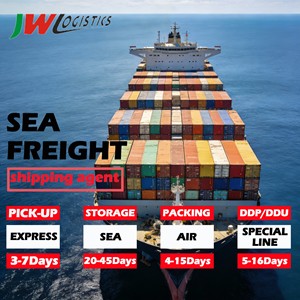
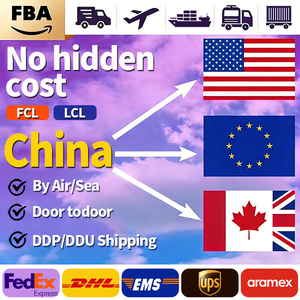
Featured Multimodal Shipping & Tracking Solutions
Explore our premier freight forwarding and IoT integrated cargo management services tailored for seamless China-to-global trade corridors.



1. The Hardware Architecture of Modern Cargo Trackers
Cargo tracking hardware has transitioned from simple passive GPS data loggers to intelligent, active multi-sensor telematics gateways. Enterprise cargo visibility relies on three primary hardware layers: Location Triangulation, Sensor Telemetry, and Air-to-Ground Connectivity Networks.
Triangulation Engines
Leading devices utilize hybrid GNSS systems (GPS, GLONASS, Galileo, BeiDou) combined with Cell-Tower Triangulation (LBS) and Wi-Fi MAC address sniffing to maintain position lock inside metallic ocean containers and steel warehouses.
Multi-Sensor Arrays
Embedded MEMS accelerometers track shock, tilt, and vibration thresholds to detect freight handling damage. Optical sensors trigger tamper alerts upon door opening, while digital thermistors log temperature and humidity.
Connectivity & Flight Mode
Devices automatically switch between global 4G LTE-M / NB-IoT bands with 2G fallback. Flight-safe devices incorporate pressure sensors and accelerometers to auto-disable RF transmissions during aircraft takeoff (IATA & FAA compliant).
2. Top 10 Cargo Tracking Manufacturers & Hardware Matrix
Selecting the optimal tracking device requires balancing power consumption, battery chemistry, sensor density, and unit economics. Below is a comparative technical matrix evaluating the world's leading IoT tracker OEMs:
| Manufacturer / OEM Category | Primary Network | Battery Type & Lifespan | Flight Mode Safety | Primary Application |
|---|---|---|---|---|
| 1. Sensitech (TempTale Geo) | Cellular LTE-M / 2G | Lithium / Single-Use (up to 90 days) | Auto-Flight Sensor (FAA) | Cold Chain & Pharma Logistics |
| 2. Tive (Solo 5G Tracker) | 5G / LTE-M / Wi-Fi | Non-Lithium / Li-Ion (60–120 days) | Barometric Airflow Kill-Switch | High-Value Electronics & Food |
| 3. Orbcomm (Smart Container) | Satellite AIS / Cellular | Solar Hybrid / 10 Year Li-SOCl2 | Maritime Marine Mode | Ocean FCL Containers & Chassis |
| 4. Roambee (Bee digital anchor) | Cellular / BLE Mesh | Rechargeable Polymer (90+ days) | Accelerometer Detection | Multi-Modal Pallet & Package |
| 5. CalAmp (SC1304 Gateway) | LTE Cat-M1 / BLE 5.0 | Primary Lithium (Up to 3 Years) | Programmable Geo-Fencing | Heavy Machinery & Intermodal Rail |
| 6. OnAsset Intelligence | Cellular / Satellite / BLE | Flight Certified Lithium Metal | Sentry FlightSafe® Patented | High-Security Air Freight |
| 7. Envisio (Single-Use IoT) | NB-IoT / LTE-M | Zinc-Air Eco Battery (30–60 days) | Pressure Sensitive Auto-Off | Cross-Border E-Commerce Express |
| 8. Nexxiot (Globehopper) | Cellular & Satellite Mesh | Energy Harvesting Solar Panel | Hazardous Goods Compliant | Rail Wagons & Ocean Tankers |
| 9. Sony Visidon (Cargo Tracker) | Cellular LTE / Wi-Fi | Ultra-thin Flexible Li-Po | Software Smart Logic Switch | Luxury Goods & Document Pouch |
| 10. Meitrack (T366 / T633) | 4G Cat 1 / GPS | External DC + Backup Battery | N/A (Ground Asset Focus) | Overland FTL Trucking & Trailer |
3. Future Procurement & Technological Trends (2025–2030)
As global supply chains face escalating geopolitical shift, climate volatility, and stricter ESG compliance mandates, hardware manufacturers and logistics providers are heavily investing in next-generation cargo tracking capabilities.
A. Eco-Friendly Non-Lithium Battery Architectures
With stringent IATA lithium battery restrictions and growing corporate sustainability targets, OEMs are pivoting toward Zinc-Air, Sodium-Ion, and printed flexible organic batteries. These technologies remove hazardous material transport declarations while maintaining full 60-to-90-day tracking operational windows.
B. Energy Harvesting & Perpetual Trackers
Container tracking is transitioning to perpetual solar and kinetic energy harvesting. Modern ISO ocean container trackers now integrate high-efficiency mini photovoltaic cells with 10-year supercapacitors, providing zero-maintenance asset visibility across a container's entire lifecycle.
C. Predictive AI & ETA Analytics
Raw GPS coordinates are being converted into predictive intelligence. Machine learning algorithms analyze historical port congestion, weather patterns, and ocean carrier reliability indices to calculate hyper-accurate Dynamic Estimated Time of Arrival (D-ETA) ranges, giving buyers proactive delay warnings.
D. Hybrid Satellite Direct-to-Cell Connectivity
The expansion of LEO (Low Earth Orbit) satellite constellations enables trackers to maintain continuous telemetry in middle-of-ocean dead zones without expensive dedicated satellite terminals. Trackers auto-switch seamlessly from terrestrial 5G networks to satellite broadband.
Why Partner With an FMC-Licensed Forwarder & Tracking Integrator?
Deploying hardware tracking devices is only effective when coupled with a robust, licensed international freight execution team capable of taking immediate action when alerts occur.
FMC-Licensed NVOCC Authority
We operate as a Federal Maritime Commission licensed ocean transportation intermediary with published tariff access, guaranteeing legal compliance and direct contract rates with global vessel alliances.
Real-Human Exception Handling
Automated software alerts are backed by dedicated human logistics specialists. When temperature spikes or customs holds are detected, our team immediately intervenes at origin or port of entry.
Carrier-Neutral Multimodal Routing
We optimize shipments across Air, Ocean (FCL/LCL), Truckload (FTL/LTL), and Rail Intermodal. We select carrier routes strictly based on transit speed, cost efficiency, and tracking hardware compatibility.
Cargo Tracking & Procurement FAQ
Expert answers to vital questions asked by importers, exporters, and procurement heads.
Choose air freight when speed, high unit value, tight production deadlines, or strict temperature parameters matter most; airport-to-airport transit typically takes 1 to 5 days. Choose ocean freight (FCL or LCL) for heavier, bulkier inventory where transit times of 2 to 6 weeks fit inventory planning, reducing freight spend per kilogram by up to 80%.
FCL (Full Container Load) reserves an entire 20ft or 40ft ocean container for your cargo exclusively, reducing physical handling and lowering risk of damage for volumes over 13–15 CBM. LCL (Less than Container Load) consolidates smaller shipments from multiple buyers into a shared container, allowing you to pay only for consumed volume while utilizing origin/destination Container Freight Stations (CFS).
Yes, provided the hardware holds valid FAA and IATA approved airworthiness certification. Devices must feature automatic Flight Mode disabling mechanisms (activated via barometric pressure sensors or multi-axis accelerometers) to ensure RF kill-switches activate before aircraft takeoff.
Standard international shipments require a Commercial Invoice, Packing List, and Transport Document (Bill of Lading or Air Waybill). Hazardous cargo requires Safety Data Sheets (SDS), while specialized commodities may require Certificates of Origin, Import Permits, or ATA Carnet for temporary trade show exports.
Vessels increasingly utilize Bluetooth Low Energy (BLE) node networks or vessel-deck gateway repeaters. Individual pallet or container trackers broadcast BLE signals to a central satellite-connected shipboard gateway, ensuring location and condition reporting even when cellular networks are out of reach.
For domestic exhibition moves, plan 2 to 3 weeks prior to advance warehouse target dates. For international trade shows, initiate logistics planning 4 to 8 weeks in advance to accommodate ocean/air transit, ATA Carnet temporary customs clearance, and venue-specific marshaling dock delivery scheduling.
Optimize Your Global Cargo Strategy Today
Connect directly with our senior logistics architects to configure real-time tracking hardware integration, request custom DDP/FCL/LCL ocean quotes, or plan expedited air freight corridors.