Executive Summary: The Evolution of Global Freight Management
Navigating the global logistics matrix in an era defined by geopolitical re-alignments, fluctuating fuel surcharges, and stringent carbon metrics demands far more than basic freight booking. Modern enterprise supply chains require end-to-end operational transparency, Federal Maritime Commission (FMC) regulatory adherence, and optimized multimodal carrier routing. As global trade volumes expand across critical trade lanes between Asia, North America, and Europe, establishing strategic alignment with top-tier logistics manufacturers and Non-Vessel Operating Common Carriers (NVOCC) has become a primary driver of enterprise resilience.
Top 8 Enterprise Logistics Management Solutions
Below is an engineered breakdown of premier logistics service configurations optimized for international trade corridors including China to USA, UK, Canada, and the European Union. These enterprise-grade supply chain offerings combine multimodal flexibility, direct ocean carrier allocations, and consolidated Amazon FBA door-to-door delivery mechanisms.
Air & Sea DDP LCL International Logistics Solutions
Integrated DDP shipping tailored for China to USA/UK/Canada trade routes with complete customs duty clearance and final-mile express logistics.
Contact Us
Multi-Destination Ocean DDP/DDU Express Freight
Cost-efficient LCL consolidation and express sea freight shipping coverage for UK, USA, France, Germany, and Canadian regional hubs.
Contact Us
Door-to-Door Maritime International Freight Network
FMC-aligned ocean freight forwarder services offering structured door-to-door maritime transportation from Asia across Transpacific and Europe routes.
Contact Us
Expedited Ocean Freight with 24/7 Milestone Tracking
High-priority ocean vessel bookings paired with real-time telemetry, dedicated port haulage, and fast-track transshipment protocols.
Contact Us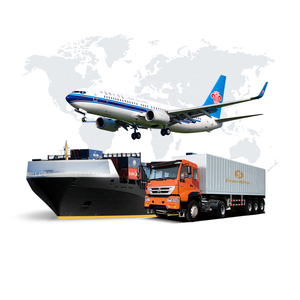
FCL/LCL Amazon FBA Global Fulfillment Solutions
Turnkey enterprise solution for Amazon FBA inventory injection featuring pallethub handling, packaging compliance, and direct dock appointment scheduling.
Contact Us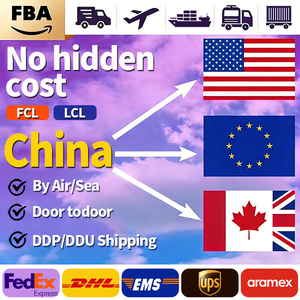
Top-Tier Air & Ocean Multimodal Freight Management
Flexible air-sea bridge operations combining rapid air transit velocity with economic ocean freight scaling for mid-market and enterprise importers.
Contact Us
Priority Air Cargo Charter & Expedited Freight Service
Direct airport-to-airport and airport-to-door express air freight solutions serving US, German, Spanish, and broader European commercial sectors.
Contact Us
Global Multimodal Freight Forwarding & Logistics Agent
Custom-tailored supply chain logistics architecture covering ocean containerization, air freight charters, and cross-border trucking networks worldwide.
Contact UsComparative Matrix: Selecting Optimal Logistics Modes
Choosing between Full Container Load (FCL), Less than Container Load (LCL), Air Freight, and Intermodal Rail involves evaluating transit times, landed volumetric costs, and inventory velocity. The benchmark matrix below summarizes strategic evaluation metrics utilized by senior supply chain executives.
| Transport Mode | Avg. Transit (Asia-US/EU) | Cost Benchmark | Best Suited Cargo Type | Regulatory Requirements |
|---|---|---|---|---|
| Air Freight (Direct) | 1 - 3 Days | Highest ($$$$) | High value, perishable, production line-down spare parts | IATA compliance, Lithium Battery SDS |
| Air Freight (Consolidated) | 4 - 7 Days | High ($$$) | E-commerce launches, seasonal apparel, urgent stock replenishment | TSA Known Shipper protocol, Air Waybill (AWB) |
| Ocean Freight (FCL) | 14 - 28 Days | Economical ($) | Bulk goods, heavy machinery, high-volume inventory (>15 CBM) | FMC Tariff, ISF filing, Bill of Lading (B/L) |
| Ocean Freight (LCL DDP) | 18 - 32 Days | Moderate ($$) | Mid-sized shipments (1-12 CBM), Amazon FBA deliveries | Customs Single/Continuous Bond, Commercial Invoice |
| Rail & Intermodal | 12 - 20 Days (Eurasia) | Balanced ($$) | Transcontinental overland corridors, heavy industrial goods | CIM/SMGS consignment note, Border inspection clearance |
Enterprise Competency: Why Leading Brands Partner With BGI Logistics
As an FMC-licensed ocean transportation intermediary and NVOCC, our operational methodology centers on mitigating risk and enforcing complete compliance across international borders. Unlike automated ticketing platforms, our freight management models rely on dedicated logistics specialists backed by robust tracking infrastructure.
FMC Licensed & NVOCC Authority
Operating under official Federal Maritime Commission guidelines with published ocean tariffs ensures legally binding carrier contracts, transparent rate structures, and secure container allocation during peak shipping windows.
Human-Centered Account Management
Eliminating generic call centers, every client is assigned a named senior logistics manager empowered to resolve carrier delays, re-route cargo dynamically, and oversee custom clearance contingencies.
Seamless Multimodal Integration
Unifying ocean container vessels, air cargo charters, drayage trucking, and rail intermodal under a single tracking dashboard simplifies procurement oversight and streamlines vendor payment handling.
Our 5-Step Operational Quality Assurance Protocol
To ensure 100% execution precision, all international freight moves through a structured five-stage operational framework prior to vessel departure:
Future Procurement Trends in Global Supply Chain Management (2025–2030)
As enterprise organizations adapt to economic volatility and shifting trade policies, logistics procurement strategies are undergoing structural transformations. Understanding these macro trends is vital for procurement heads, supply chain directors, and global sourcing officers.
1. Nearshoring & Supply Chain Diversification
The traditional reliance on single-origin manufacturing hubs is yielding to multi-regional sourcing strategies ("China Plus One"). This shift demands flexible 3PL partners capable of orchestrating intra-Asia feeder lines, cross-border Mexico-US trucking networks, and nearshored European distribution channels without introducing administrative friction.
2. ESG Driven Decarbonization & Green Freight
Environmental, Social, and Governance (ESG) compliance has escalated from a corporate social responsibility initiative to a mandatory procurement metric. Ocean carriers are rapidly deploying dual-fuel methanol and LNG vessels, while forwarders are integrating carbon accounting software. Future-proof logistics contracts now mandate Scope 3 carbon emission reporting and route optimization to minimize greenhouse gas emissions per ton-kilometer.
3. AI-Driven Dynamic Route Optimization & Predictive Telematics
Predictive analytics and machine learning algorithms are replacing static shipping schedules. Modern logistics management systems evaluate weather patterns, port congestion indexes, and labor strike indicators in real time to dynamically adjust ocean-to-air bridges or alter port-of-entry calls before container vessels encounter physical chokepoints.
4. E-Commerce Fulfillment Acceleration & Automated DDP Clearing
Cross-border e-commerce growth mandates automated customs clearance engines capable of processing thousands of micro-shipments simultaneously. Standardized Delivered Duty Paid (DDP) arrangements—backed by automated tax calculation software—are becoming the default procurement standard for B2B direct-to-consumer and Amazon FBA sellers seeking friction-free border crossing.
Frequently Asked Questions (FAQ) for Global Freight Procurement
Optimize Your Global Freight Management Strategy Today
Speak directly with an FMC-licensed freight specialist. Request tailored landed cost evaluations, review ocean container allocations, or design custom DDP solutions for your global supply chain.