Featured Supply Chain & Freight Solutions
Direct door-to-door forwarding services, consolidated sea/air freight, and specialized FBA solutions engineered for global buyers and manufacturers.
Air & Sea DDP LCL Express Logistics Service
- LCL Consolidation across major China ports
- Duty Paid (DDP) clearance to USA, UK & CA
- Automated track & trace milestone alerts
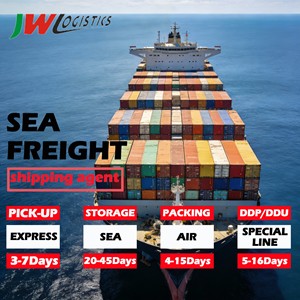
Global Sea Freight Forwarder & Dropshipping Express
- Direct express routing (DHL/UPS integrations)
- End-to-end DDP/DDU solutions for EU & NA
- Optimized for e-commerce & high-volume trade
Fast-Delivery Ocean Freight Forwarder (China to USA)
- 24/7 Real-time GPS & vessel telematics tracking
- Guaranteed vessel space allocation on prime lines
- Accelerated port discharge and terminal transfer
Amazon FBA Door-to-Door FCL/LCL Freight Service
- Compliant FBA label, pallet & appointment delivery
- FCL & LCL direct-to-warehouse dispatch
- Customs pre-clearance to avoid storage surcharges
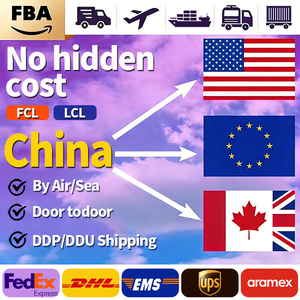
International Air & Sea Multimodal Delivery System
- Customized hybrid air-sea time-critical routes
- Consolidated origin warehousing in Shenzhen & Ningbo
- Single-invoice clear freight costing model
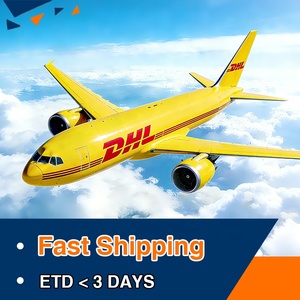
Air Cargo Forwarder (China to USA, Germany & Spain)
- Direct flights to Frankfurt (FRA), Madrid (MAD) & JFK
- Spedition DDP service with European VAT compliance
- Rapid 3-5 day transit times for high-value cargo
Professional Global Multimodal Shipping Agent
- Comprehensive Sea, Air, and Rail multimodal options
- Complete export documentation & licensing support
- Flexible packaging, crating & cargo insurance
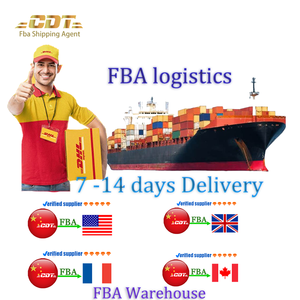
FMC-Licensed Ocean Maritime Forwarding Network
- FMC NVOCC licensed ocean transportation intermediary
- Regular direct sailings to USA, Canada, UK & Italy
- Port-to-Door & Terminal-to-Door tracking assurance
Navigating China's Freight Forwarding Ecosystem: An Executive Procurement Framework
In the contemporary landscape of global trade, cross-border supply chains connecting Chinese manufacturing hubs with international consumer markets represent the backbone of global commerce. Managing the flow of goods out of key Chinese industrial centers—such as the Pearl River Delta (Shenzhen, Guangzhou), the Yangtze River Delta (Shanghai, Ningbo), and the Bohai Rim (Qingdao, Tianjin)—demands far more than booking cargo space. It requires a sophisticated integration of regulatory compliance, customs risk management, container load optimization, and multimodal route planning.
For global procurement managers, e-commerce brand owners, and industrial enterprises, selecting top-tier China freight forwarding factories and suppliers is a critical determinant of gross margin protection and customer delivery performance. The freight forwarder serves as the vital link between factory loading docks and destination fulfillment centers, navigating volatile ocean spot rates, shifting air freight charter capacities, and complex customs regimes including US CBP, EU Union Customs Code, and UK HMRC requirements.
Future Procurement & Logistics Trends (2025–2030)
Strategic transformations altering how international buyers source and ship products from Chinese manufacturers.
DDP Standardization
Delivered Duty Paid (DDP) is shifting from an e-commerce convenience to an enterprise standard, enabling buyers to fix landed costs at the point of PO issue.
IoT Telematics & Visibility
Real-time container tracking with ambient temperature, humidity, and shock monitoring is becoming mandatory for electronics and high-value shipments.
Nearshoring Integration
China+1 strategies utilize dynamic sea-land corridors connecting Southern China suppliers with Southeast Asian hubs and Mexican twin-plant models.
Green Freight & Decarbonization
IMO 2030 mandates and EU ETS carbon pricing force shippers to select ocean carriers offering bio-fuel blending and slow-steaming carbon credits.
Multimodal Logistics Decision Matrix
An engineering-grade comparative evaluation of transport modes from China industrial hubs to global destinations.
| Logistics Mode | Typical Transit Time | Cost Benchmark | Optimal Cargo Volume/Weight | Incoterms Compatibility |
|---|---|---|---|---|
| Express Air Courier | 2 – 5 Business Days | High ($6.50 - $11.00/kg) | < 100 kg / High-value urgency | DDP, DDU, DAP |
| Consolidated Air Freight | 5 – 8 Business Days | Moderate ($4.20 - $7.50/kg) | 100 kg – 1,500 kg | FOB, FCA, DDP, CPT |
| Ocean Freight (LCL) | 18 – 35 Days (Lane Dependent) | Low ($80 - $180/CBM) | 1 CBM – 14 CBM (Bulk Goods) | FOB, EXW, DDP, CIF |
| Ocean Freight (FCL 20'/40'HQ) | 16 – 32 Days (Direct Routes) | Optimal Per Container | > 15 CBM or Full Factory Runs | FOB, EXW, DDP, CFR |
| Eurasia Express Rail | 14 – 20 Days (to EU Hubs) | Balanced ($1.80 - $3.20/kg) | Mid-sized machinery & automotive parts | FOB, FCA, DDP |
Comprehensive Shipping Mode Analysis & Optimizations
In-depth technical breakdown of freight modalities to assist supply chain leads in reducing total landed cost.
Air Freight Acceleration Strategy
When factory delays threaten delivery windows, direct air charters or consolidated air freight via major hubs (HKG, PVG, CAN) offer swift mitigation. Understanding dimensional weight charging (Volumetric Ratio 1:6000 for standard air vs 1:5000 for express) is essential to managing expenses.
FCL & LCL Ocean Optimization
Full Container Load (FCL) utilizing 40ft High Cube (76 CBM volume capacity) yields the lowest cost per unit. For smaller shipments, Less than Container Load (LCL) consolidates freight at Container Freight Stations (CFS), requiring careful attention to origin dock fees and destination deconsolidation costs.
DDP Customs & Compliance Shield
Delivered Duty Paid (DDP) shifts duty computation, bond filing (Single Entry vs Continuous Bond), and ISF 10+2 documentation burdens to the forwarder. Partnering with an FMC-licensed carrier ensures strict adherence to U.S. Customs and Border Protection tariffs and HTS code classifications.
Enterprise Advantage: Institutional Trust & Execution
Why Fortune 500 companies, SMB importers, and global brand owners choose our freight network over traditional brokers.
FMC-Licensed Ocean Intermediary
Operates under Federal Maritime Commission (FMC) license as an official NVOCC. Shippers gain tariff protection, direct contract rates with ocean alliances (2M, OCEAN Alliance, THE Alliance), and regulatory safety under U.S. maritime law.
Dedicated Specialist Teams
Replace generic automated ticketing queues with a named logistics specialist. Our team manages your shipment from origin factory loading through customs clearance to final warehouse receipt with proactive exception alerts.
Specialized Vertical Capabilities
From complex trade show booth deadlines requiring ATA Carnet management to government-compliant chain-of-custody moves and oversized out-of-gauge (OOG) machinery, our engineering unit designs custom transport solutions.
Engineered Logistics Solutions for China Sourcing
Consult with our senior logistics directors to analyze your shipping lanes, benchmark your landed costs, and implement optimized DDP or FCL/LCL programs.
Contact UsFrequently Asked Questions (FAQ) for Importers
Essential guidance for navigating China freight forwarding, customs clearance, and modal selection.
Should I ship by air freight or ocean freight from China?
Choose air freight when transit speed, high commodity value, or urgent factory launch schedules outweigh freight cost—typical door-to-door transit is 3 to 7 days. Select ocean freight for bulkier, heavier, or planned inventory stock; it reduces freight expense per unit significantly, though ocean transit requires 2 to 5 weeks depending on target ports.
What is the core structural difference between FCL and LCL ocean shipping?
FCL (Full Container Load) reserves an entire 20ft or 40ft ocean container for your cargo, minimizing handling damage and proving most economical above 14–15 CBM. LCL (Less than Container Load) consolidates your goods alongside other shippers in a shared container; you pay strictly for volume used, but it involves extra handling at CFS warehouses.
What specific parameters are required to receive an accurate freight quote?
To obtain a precise, binding freight estimate, provide: pickup factory address, destination warehouse address, total carton/pallet dimensions & weight, exact commodity description, HS code, cargo value, ready date, and the Incoterms agreed upon with your manufacturer (e.g., FOB Shenzhen vs EXW Ningbo).
Which export/import documentation is mandatory for international ocean freight?
Every commercial ocean shipment requires a Commercial Invoice, Detailed Packing List, and a Master/House Bill of Lading (B/L) or Air Waybill (AWB). Additional destination-specific filings may include Certificates of Origin, Importer Security Filings (ISF 10+2), Safety Data Sheets (SDS) for batteries/chemicals, and targeted import licenses.
Why is working with an FMC-licensed forwarder critical for US-bound cargo?
Federal Maritime Commission (FMC) licensing ensures that the freight forwarder operates under regulatory scrutiny, maintains proper financial surety bonds, and publishes transparent tariff rates. This protects US importers from arbitrary surcharges, contract disputes, and unauthorized cargo holding by unlicensed freight brokers.
How far in advance should trade show freight or exhibit cargo be booked?
For international trade shows and exhibitions, logistics planning should initiate 6 to 8 weeks prior to show opening to accommodate ocean transit times, ATA Carnet temporary duty exemption processing, and scheduled delivery slots at the advance show warehouse or exhibition hall venue.
How does DDP (Delivered Duty Paid) simplify e-commerce and FBA logistics?
DDP transfers all responsibility for freight transit, export customs clearance, international transport, import customs clearance, duty and tax payments, and final door-to-door or Amazon FBA delivery to the freight forwarder. The buyer pays a single all-inclusive price with zero hidden destination charges.
What strategies prevent demurrage and detention charges at destination ports?
Demurrage and detention fees are minimized by conducting pre-clearance of import documents before vessel arrival, utilizing continuous customs bonds, securing extended free-time agreements (e.g., 10–14 days) from ocean carriers, and coordinating immediate drayage truck dispatch prior to vessel discharge.
Ready to Optimize Your China Shipping Supply Chain?
Partner with an FMC-licensed logistics team engineered to reduce transit times, lower landed costs, and eliminate customs clearance delays.
Contact Us