Featured Dangerous Goods & Hazmat Transport Solutions
Fully compliant multimodal freight services for Class 2, 3, 4, 5, 6, 8, and 9 hazardous materials across key global trade corridors.
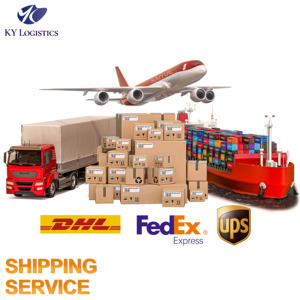 Class 3 & 9 DG
Air & Sea DDP LCL International Hazmat Logistics (China to USA / UK / CA)
Door-to-door consolidated air and ocean freight for dangerous goods including lithium batteries and chemical solutions with full customs declaration.
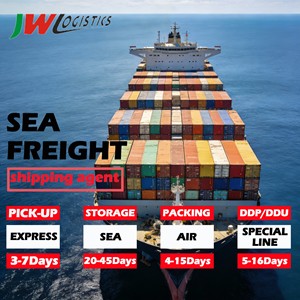 Class 8 Corrosives
Hazmat Sea Freight Forwarder DDP/DDU LCL Express Agent to EU & North America
Specialized corrosive and liquid chemical container shipping with certified steel drums, IBC totes, and port isolation handling.
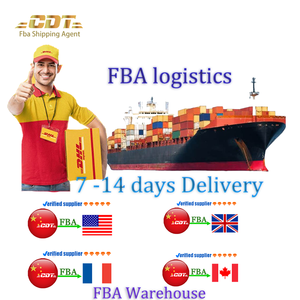 Class 4 & 5 Hazardous
Top Maritime Freight Forwarder DDP Door-to-Door Transport for Flammable Solids
Maritime transport services for self-reactive compounds and oxidizers running directly from China manufacturing hubs to EU & US ports.
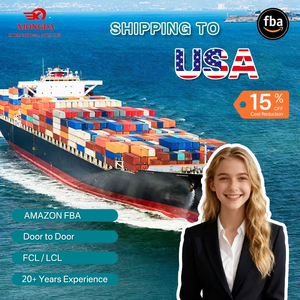 24/7 Telemetry
24-Hour Live Track Ocean Freight Transitaire for Dangerous Goods (China to USA)
High-priority ocean cargo routing equipped with temperature-monitored reefer units and automated satellite location reports.
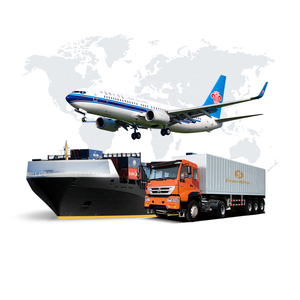 Amazon FBA Hazmat
Dangerous Goods Sea Freight to USA / Canada Amazon FBA Door-to-Door FCL/LCL
Streamlined FBA Hazmat entry service with compliance prep, UN labeling, safety data sheet validation, and warehouse appointment booking.
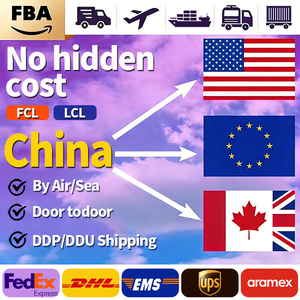 Multimodal Logistics
Multimodal Express Air/Sea Logistics Solutions for Chemical Manufacturers
Flexible charter, air cargo, and ocean freight routes tailored for urgent hazardous raw materials and specialized industrial chemicals.
 Lithium Battery DG
Air Freight Express for UN3480 / UN3090 Lithium Batteries (China to US/EU)
Certified air freight logistics for standalone lithium-ion batteries and battery-powered equipment, meeting UN 38.3 regulatory standards.
 Turnkey DG Supply
Worldwide Enterprise Dangerous Goods Forwarding & Factory Sourcing Support
End-to-end supply chain integration connecting chemical factories with global distribution networks via rail, ocean, air, and truck freight.
Top Trusted Dangerous Goods Factory & Supplier: Architectural Framework for Global Compliance
Navigating the global supply chain for hazardous materials requires absolute precision, regulatory authority, and unyielding adherence to international safety mandates. As a premiere FMC-licensed Ocean Transportation Intermediary (OTI) and certified Dangerous Goods (DG) forwarding network, our enterprise bridges the operational gap between chemical manufacturing facilities and global industrial buyers.
The transport of hazardous cargo—ranging from flammable liquids (Class 3) and corrosive acids (Class 8) to advanced lithium-ion energy storage systems (Class 9)—demands far more than conventional logistics. It mandates rigorous safety protocols, UN-certified performance packaging, verified Safety Data Sheets (SDS/MSDS 16-section compliance), and seamless coordination with ocean carriers, air operators, and port terminal authorities worldwide.
Information Gain Key Insight: Hazardous goods compliance is not merely a documentation exercise; it is an engineering discipline. Carrier rejections stem primarily from incorrect UN packaging code selection, inadequate container segregation under IMDG Code 40-20, and mismatched shipper declarations. Our dedicated hazard engineers eliminate these risk vectors at origin.
Core Enterprise Strengths & Regulatory Authoritativeness
Our operational model relies on five structural pillars designed to guarantee chain-of-custody integrity from factory floor to destination warehouse:
FMC License & Published Tariff
Operates under strict Federal Maritime Commission regulations in the United States, maintaining transparent published tariffs and legally binding carrier contracts.
UN-Certified Packaging Protocol
Full deployment of UN-stamped fiberboard boxes, steel drums (1A1/1A2), intermediate bulk containers (IBCs), and custom cushioning for Packing Groups I, II, and III.
Multi-Jurisdiction Customs Pre-Clearance
Direct EDI integration with US Customs (CBP/ACE), EU TARIC, and China MSA for rapid Dangerous Goods Declaration (DGD) verification before vessel loading.
End-to-End Intermodal Telemetry
Continuous monitoring of active cargo parameters—temperature, humidity, shock, and tilt—via satellite IoT sensors embedded directly within ISO tank and reefer containers.
Dangerous Goods Hazard Classification & Transport Capability Matrix
Under international maritime standards (IMDG Code) and aviation rules (ICAO/IATA DGR), hazardous materials are segregated into nine distinct classes. Our factory supply network and logistics infrastructure maintain certified capacity across these dangerous goods categories:
| Hazard Class | Primary Classification | Common Factory Commodities | Packaging Group (PG) | Transport Mode Acceptability |
|---|---|---|---|---|
| Class 2.1 / 2.2 / 2.3 | Gases (Flammable, Non-Toxic, Toxic) | Refrigerant gases, industrial aerosols, compressed oxygen | N/A (Cylinders / ISO Tanks) | Ocean (FCL), Specialized Road Freight |
| Class 3 | Flammable Liquids | Paints, solvents, resins, adhesives, ethanol solutions | PG I, PG II, PG III | Ocean (FCL/LCL), Air Freight (Limited) |
| Class 4.1 / 4.2 / 4.3 | Flammable Solids & Reactive Materials | Matchboxes, activated carbon, sodium batteries, magnesium powder | PG I, PG II, PG III | Ocean (FCL), Dedicated Truckload |
| Class 5.1 / 5.2 | Oxidizers & Organic Peroxides | Bleaching powder, hydrogen peroxide, polymer initiators | PG I, PG II | Temperature-Controlled Ocean Reefer |
| Class 6.1 / 6.2 | Toxic & Infectious Substances | Pesticides, pharmaceutical intermediates, laboratory reagents | PG I, PG II, PG III | Ocean FCL, Air Freight Express |
| Class 8 | Corrosive Substances | Sulfuric acid, caustic soda, battery fluid, cleaning compounds | PG I, PG II, PG III | Ocean (FCL/LCL), Air Cargo |
| Class 9 | Miscellaneous Dangerous Goods | UN3480 Lithium Batteries, EV powerpacks, dry ice, magnetized goods | PG II, PG III | Air Cargo, Ocean FCL/LCL, Intermodal Rail |
Compliance Standard Note: Shippers are strictly required to provide valid 16-section SDS documents matching GHS standards, alongside UN 38.3 lithium battery test summaries where applicable, prior to container booking confirmation.
Future Procurement Trends in Dangerous Goods & Hazmat Logistics
As global industrial supply chains shift toward heightened environmental accountability and digitized risk management, the procurement of hazardous chemical manufacturing and logistics services is undergoing a major structural transformation. Importers, procurement directors, and chemical distributors must align with emerging global trends to maintain supply chain resilience:
1. Accelerated Demand for EV Battery Supply Chain Logistics (Class 9 Expansion)
The rapid global transition to Electric Vehicles (EVs) and Battery Energy Storage Systems (BESS) has driven exponential growth in the shipment of large-format UN3480 lithium-ion battery modules. Future procurement contracts increasingly mandate specialized thermal-runaway protection, specialized fire-retardant UN packaging, and real-time state-of-charge (SoC) telemetry during long-haul ocean transit.
2. Transition to IoT-Driven Digital Twin Risk Prevention
Static freight tracking is no longer sufficient for high-consequence chemical imports. Leading enterprises are adopting IoT-enabled "Digital Twin" cargo telemetry. Smart container sensors broadcast real-time data regarding internal container pressure, ambient temperature spikes, off-gassing vapor detection, and structural vibration directly to central logistics dashboards, enabling preventive intervention before cargo arrives at destination ports.
3. ESG, Green Chemical Transport & Sustainable Container Fleet Operations
Decarbonization mandates across Europe and North America are reshaping dangerous goods carrier selection. B2B buyers now evaluate suppliers based on carbon intensity scores per ton-kilometer, utilization of LNG/Methanol dual-fuel ocean vessels, and the implementation of reusable, closed-loop stainless steel IBC totes that eliminate single-use plastic drum waste.
4. AI-Powered Automated Customs & IMDG Segregation Auditing
Manual review of complex chemical manifests is rapidly being replaced by AI-driven regulatory engines. Modern Dangerous Goods platforms automatically cross-reference SDS Section 14 transport data against port-specific segregation tables under the IMDG Code and 49 CFR, preventing costly carrier roll-overs and customs holds prior to port gate-in.
Industry Development & Technological Innovation Trends
The hazardous material manufacturing and transport domain sits at the intersection of material science, chemical engineering, and smart logistics automation. The following technological shifts define the modern landscape:
Smart Active-Cooling Reefer Containers
Next-generation temperature-controlled reefers featuring redundant dual-compressor systems designed specifically for Class 5.2 organic peroxides requiring precise emergency control temperatures.
Automated Hazard Labeling & RFID Tracking
High-durability, weather-resistant chemical hazard placarding backed by embedded passive RFID tags, ensuring 100% readability across automated port crane gantries.
Advanced Nanocomposite Containment Materials
Deployment of lightweight composite drums and explosion-proof liner bags that reduce tare weight by up to 25% while offering superior impact and puncture resistance.
Comprehensive Dangerous Goods Procurement & Logistics FAQ
Crucial regulatory and operational answers compiled by our senior hazmat logistics directors to assist chemical importers, buyers, and procurement specialists.
Every international dangerous goods shipment requires a complete compliance dossier including: (1) A current 16-section Safety Data Sheet (SDS/MSDS) aligned with GHS standards; (2) The Shipper’s Declaration for Dangerous Goods (DGD); (3) UN Packaging Inspection Certification; (4) Detailed Commercial Invoice and Packing List specifying UN Number, Proper Shipping Name (PSN), Hazard Class, and Packing Group; and (5) UN 38.3 Test Summary report for lithium battery products.
Selection depends on cargo volume, urgency, and strict quantity limits set by aviation bodies (ICAO/IATA). Choose Air Freight for time-sensitive samples, high-value small batches, or items allowed under Passenger/Cargo Aircraft net quantity limits (CAO restrictions apply for large lithium batteries). Choose Ocean Freight (FCL/LCL) for heavy bulk chemical shipments, high-volume liquids, or hazardous classes strictly forbidden on aircraft (such as Class 1 explosives or severe Class 8 acids).
FCL (Full Container Load) grants exclusive use of a 20ft or 40ft container, reducing ocean freight handling risks, simplifying container segregation at sea, and avoiding cross-contamination from other cargo. LCL (Less than Container Load) consolidates your hazardous goods with compatible cargo at a specialized Dangerous Goods Container Freight Station (DG CFS). LCL is cost-effective for smaller volumes (1 to 10 CBM) but requires strict adherence to IMDG chemical segregation matrix rules.
A Federal Maritime Commission (FMC) license confirms that an Ocean Transportation Intermediary operates under statutory financial bonding, rigorous regulatory review, and transparent legally published tariffs. For dangerous goods importers, working with an FMC-licensed forwarder guarantees legal accountability, valid ocean bill of lading issuance, and enforced compliance with US Coast Guard and DOT hazardous transport regulations.
Over 80% of ocean vessel dangerous goods rejections occur due to: (1) Outdated or missing GHS SDS sheets; (2) Discrepancies between declared weight on the DGD and physical VGM gross weight; (3) Inadequate inner packaging cushioning or non-certified UN boxes; (4) Missing secondary containment or leak-proof liners for liquids; and (5) Failure to apply required placards on all four exterior sides of the freight container.
Standalone lithium-ion cells/batteries (UN3480) must be packed in UN-certified outer packaging (typically UN 4G or 4GV boxes) meeting Packing Group II performance standards. Individual battery terminals must be completely insulated to prevent short circuits, packed inside non-conductive inner packaging, and restricted to a State of Charge (SoC) not exceeding 30% of their rated capacity for air transport under IATA PI 965 regulations.
Why Partnering with a Certified Dangerous Goods Supplier Matters
Managing hazardous goods supply chains requires absolute synergy between chemical manufacturing plants, certified packaging engineers, and licensed freight forwarders. Our integrated logistics model provides unprecedented peace of mind through:
- Dedicated Named Logistics Specialists: Direct communication with certified DG specialists—never an unmonitored ticketing queue.
- Carrier-Neutral Multimodal Routing: Unbiased evaluation of ocean lines, air carriers, and trucking networks to balance safety, speed, and freight cost.
- Full Incoterms Coverage (DDP / DDU / FOB / EXW): Complete flexibility handling origin pickup, export customs, main transit, duty payment, and final-mile liftgate delivery.
- Zero-Tolerance Zero-Defect Document Audit: Comprehensive pre-booking verification preventing port delays, quay demurrage, and customs fines.
Ready to Streamline Your Dangerous Goods Supply Chain?
Connect directly with our FMC-licensed Dangerous Goods specialists for an immediate hazard classification review, UN packaging audit, or rate quote.