Recommended Breakbulk & Heavy Freight Solutions
Direct Factory-to-Site Logistics, Vessel Chartering, and Specialized Cargo Operations from Global Exporters to Canada
DDP Breakbulk & LCL Multimodal Sea Freight Solutions to Canada Ports
Cost-optimized consolidation and direct breakbulk ocean transport serving Vancouver, Prince Rupert, and Montreal with all-inclusive duty paid clearance.
Specialized Heavy-Lift & Breakbulk Sea Charter Freight to Pacific Canada
Full and part-charter vessel options equipped with heavy cranes for ultra-heavy industrial machinery, mining crushers, and structural steel modules.
Door-to-Door DDP Project Cargo Forwarding to Alberta & Ontario Sites
Seamless end-to-end logistics linking factory floors directly to inland job sites, including lowboy heavy-haul trucking and CPKC/CN rail intermodal transfers.
24/7 Tracked Breakbulk Maritime Transport & Chartering for Plant Equipment
Real-time GPS cargo telemetry combined with dedicated marine engineering supervision for manufacturing plant moves and power generation machinery.
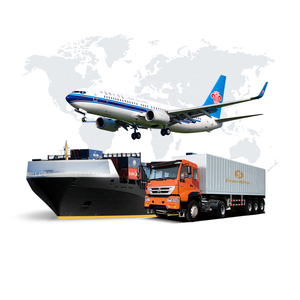
Out-of-Gauge (OOG) Flat Rack & Breakbulk Marine Shipping to Montreal
Precision loading and lashing for over-width and over-height cargo utilizing Open Top, Flat Rack, and breakbulk deck space via the St. Lawrence Seaway corridor.
Express Air-Sea Hybrid Transport for Critical Breakbulk Replacements
Engineered multimodal routing combining expedited air freight for urgent sub-components with ocean breakbulk for heavy chassis units to minimize downtime.
Factory-to-Site Heavy Machinery Logistics & Custom Engineering Clearance
Turnkey logistics management including route survey analysis, bridge load calculations, municipal heavy-haul permitting, and escort dispatch across Canada.
Global Breakbulk Logistics & FMC-Licensed NVOCC Services for Exporters
Fully compliant ocean transportation intermediary management offering legally binding bill of lading issuance, open-tariff clarity, and marine cargo insurance.
Technical Whitepaper: Engineering Breakbulk Supply Chains for Canadian Imports
A Comprehensive Guide for Industrial Manufacturers, Mining Exporters, and EPC Contractors Navigating Trans-Pacific & Trans-Atlantic Breakbulk Corridors
Shipping breakbulk cargo into Canada presents unique geography-specific and seasonal engineering challenges. From navigating the tide windows at the Port of Vancouver (Fraser River and Roberts Bank berths) to negotiating the seasonal ice locks of the St. Lawrence Seaway servicing Montreal and the Great Lakes, industrial procurement teams must work with verified NVOCC freight forwarders who possess deep localized knowledge and technical rigging expertise.
1. Stowing & Rigging Engineering
Breakbulk cargo requires precise center-of-gravity (CG) calculations and stress analysis before vessel loading. Custom steel shoes, rubber friction mats, and certified dunnage are deployed alongside high-tensile lashing chains to prevent cargo shift during heavy seas in North Pacific or North Atlantic transit routes.
2. Port Handling & Berthing
Selecting the optimal entry gateway is vital. The Port of Prince Rupert provides the shortest marine transit time from Asian manufacturing hubs directly to CN Rail’s heavy-haul intermodal network, while Port of Vancouver offers deep-water berths equipped with dual-ship cranes capable of tandem tandem heavy lifts exceeding 300 metric tons.
3. CBSA & CARM Governance
Under the CBSA Assessment and Revenue Management (CARM) portal framework, Canadian importers and overseas exporters executing DDP/DDU terms must maintain active RPP (Release Prior to Payment) bonds. Breakbulk manifests must be transmitted via ACI (Advance Commercial Information) eManifest 24 hours prior to loading at origin ports.
Comparing Multimodal Breakbulk Modes for Canada-Bound Freight
Choosing the correct transport mode depends on cargo weight, dimensional profile, budget parameters, and destination accessibility across Canadian provinces:
Localized Canadian Industrial Application Scenarios
Tailored Supply Chain Solutions for Heavy Industries operating in Canada's Regional Economies
Alberta Energy & Oil Sands Project Cargo
Challenge: Transporting multi-ton hydrocracking reactors and modular oil processing units from overseas fabrication yards in Asia to remote jobsites in Fort McMurray and Nisku, Alberta.
Solution: Ocean breakbulk shipment to the Port of Vancouver, seamless ship-to-rail transfer onto heavy-duty depressed-center flatcars via CPKC rail, followed by multi-axle hydraulic platform trucking along designated Alberta Heavy Haul Corridors.
British Columbia Forestry & Mining Heavy Machinery
Challenge: Importing massive ball mills, rock crushers, and timber harvesting excavators to rugged terrain in Sudbury and Northern BC.
Solution: Vessel charter discharge directly at Prince Rupert or Fraser River terminals, accompanied by localized marine survey inspections, custom lashing verification, and permit-backed lowboy transport directly into mountain sites.
Ontario & Quebec Manufacturing Plant Expansions
Challenge: Moving complete stamping press production lines and automotive manufacturing equipment into the industrial heartlands of Windsor, Hamilton, and Montreal.
Solution: Out-of-Gauge (OOG) flat-rack container ocean routing combined with marine transport through the St. Lawrence Seaway lock system directly into the Port of Montreal, minimizing inland road freight distance.
Atlantic Canada Offshore & Wind Energy Projects
Challenge: Supplying wind turbine blades, nacelles, and offshore platform structural components to construction projects in Nova Scotia and Newfoundland.
Solution: Specialized breakbulk heavy-lift ocean charters discharging at the Port of Saint John or Halifax, utilizing on-deck crane lifts and specialized offshore staging yards for smooth project assembly.
Canadian Breakbulk Industry Trends & Regulatory Shift
Key Strategic Considerations Shaping Industrial Importing into Canada
1. Implementation of CBSA CARM & RPP Bond Rules
The Canada Border Services Agency (CBSA) has revolutionized importer accounting through the CARM digital portal. Overseas exporters and Canadian importers executing high-value breakbulk shipments must register their business numbers (BN9) and secure direct RPP bonds to avoid severe port demurrage and customs entry holds at major marine terminals.
2. Green Mining & Critical Minerals Supply Chain Investments
With Canada’s strategic push into lithium, nickel, and cobalt extraction for EV battery manufacturing, demand for heavy mining breakbulk shipments has surged. Factory suppliers must comply with Canadian ESG standards, ensuring cargo packaging uses recyclable treated timber (ISPM-15 certified) for all wooden dunnage.
3. Seasonal Winter Navigation & St. Lawrence Lock Closure
Exporters shipping breakbulk to Eastern Canada must account for the winter freeze schedule of the St. Lawrence Seaway (typically closing late December to mid-March). Strategic freight planning shifts breakbulk ocean flows to winter-capable ice-class vessels or routes cargo through year-round Atlantic ports like Saint John or Halifax.
4. Expanded Rail Capacity: CN & CPKC Networks
Following major merger integrations, CPKC (Canadian Pacific Kansas City) and CN (Canadian National Rail) offer unparalleled heavy-haul intermodal connections. Breakbulk forwarders leverage specialized railcars (Schnabel, Flatcars, and Gondolas) to bypass highway permit delays for ultra-heavy industrial loads.
Why Enterprise Shippers Partner With BGI Logistics
FMC-Licensed Governance, Accountable Logistics Engineering, and Unmatched Execution Reliability
FMC-Licensed OTI & NVOCC
We operate as a fully regulated Ocean Transportation Intermediary under Federal Maritime Commission rules, issuing authorized Bills of Lading and transparent open ocean tariffs.
Named Logistics Specialists
No automated ticket queues or call centers. Every breakbulk project is managed by a named marine logistics specialist who supervises port operations and stays accountable from origin to site delivery.
Carrier-Neutral Carrier Selection
We analyze global heavy-lift vessel operators, container lines, and breakbulk charterers to negotiate competitive ocean rates without bias toward a single carrier asset.
Custom Marine Rigging & Engineering
Our team conducts pre-shipment route surveys, lifting lug stress tests, and vessel lashing blueprints to eliminate maritime transit risk and port clearance rejections.
End-to-End Customs & Duty Control
We coordinate CBSA eManifest submissions, CARM compliance, and tariff code optimization to ensure seamless customs clearance and prevent unnecessary duty overpayment.
Full Multimodal Integration
One single partner managing ocean chartering, port discharge, heavy-haul road permits, and rail intermodal transfers under one consolidated invoice and contract.
Frequently Asked Questions by Canadian Freight Buyers
Expert Guidance on Breakbulk Shipping, Customs Permits, and Inland Haulage in Canada
Breakbulk shipping involves loading individual pieces of heavy, oversized cargo directly into the hold or onto the deck of a ocean vessel without using standard containers. This method is ideal for massive machinery, turbines, and structural steel exceeding 50 metric tons. Out-of-Gauge (OOG) shipping, on the other hand, utilizes specialized ISO container equipment like Open Top or Flat Rack containers carried on standard container ships, ideal for cargo that slightly exceeds container dimensions but fits within container vessel lashing profiles.
Under CBSA rules, all Canadian importers must register on the CARM Client Portal (CCP) and delegate authority to their licensed customs broker. Importers must also post a direct RPP (Release Prior to Payment) financial security bond. For breakbulk shipments, advance commercial information (ACI) must be submitted electronically 24 hours prior to loading at the foreign port to prevent customs hold-ups and severe terminal storage fines upon arrival in Canada.
The Port of Prince Rupert and the Port of Vancouver are the premier gateways for Pacific breakbulk trade. Prince Rupert offers the shortest ocean transit time from Asia and direct vessel-to-rail loading onto CN Rail's main heavy corridor. Vancouver provides extensive deep-water berths, mobile heavy-lift shore cranes, and direct access to CPKC and CN networks leading to Calgary, Edmonton, and Fort McMurray.
Securing provincial heavy-haul permits (e.g., from BC Ministry of Transportation or Alberta Transportation) requires accurate dimensional drawings, exact axle load distributions, total gross vehicle weight (GVW), bridge load stress analyses, and detailed route clearance surveys. For superloads, municipal escorts, utility line lift teams, and pilot cars are scheduled during permitted travel hours.
Breakbulk ocean freight rates are calculated based on Revenue Tons (RT), which compares gross weight in metric tons (MT) against cubic volume in cubic meters (CBM) (where 1 MT = 1 CBM). Heavy-lift surcharges, crane manipulation fees, deck lashing/dunnage material costs, port stevedoring charges, and marine cargo insurance premiums are factored into the final all-in project quote.
Yes. BGI specializes in turnkey DDP breakbulk project cargo. We handle ocean chartering, port stevedoring, customs duty assessment, GST/PST tax filings, provincial transport permits, and final-mile offloading at your job site in Canada, delivering complete cost certainty for foreign suppliers and Canadian buyers alike.
Request an Engineering Freight Quote for Canada
Connect directly with our FMC-licensed breakbulk specialists. Send us your cargo dimensions, weight, origin factory, and Canadian destination for an all-inclusive multimodal estimate.