End-to-End Maritime & Air Logistics Solutions for the Philippines
Explore our comprehensive portfolio of international freight services customized for industrial exporters, infrastructure developers, and commercial buyers trading with the Philippine archipelago.

China to Philippines Express Freight & DDP LCL Logistics
Door-to-Door DDP custom cleared service with integrated customs brokerage for seamless clearance at Manila South Harbor and Batangas Port.
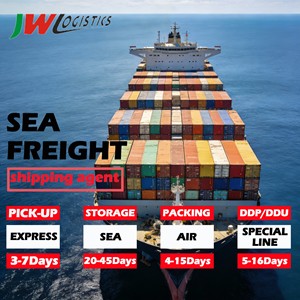
Full Container Load (FCL) & LCL Consolidation Shipping
Competitive sea freight forwarder rates covering DDP/DDU terms from major Asian hubs to Cebu International Port and Subic Bay Freeport.
Heavy Lift & Breakbulk Chartering for Industrial Cargo
Full and part-charter vessel services specialized in out-of-gauge machinery, structural steel, and renewable energy equipment transport.
24/7 Monitored Ocean Freight & Direct Charter Routes
Real-time GPS monitored vessel chartering and express maritime forwarding engineered for high-priority commercial shipments.
Cross-Border E-Commerce Warehousing & Feeder Charter
Tailored supply chain distribution connecting global exporters to Metro Manila distribution hubs and regional VisMin retail networks.
Inter-Island Barge & Tug Charter Services in the Philippines
Shallow-draft Landing Craft Tank (LCT) and tug/barge chartering for remote island destinations lacking deep-water quay infrastructure.

Full & Part Aircraft Chartering to Manila (MNL) & Clark (CRK)
Emergency charter solutions for critical aviation parts, high-value electronics, and urgent manufacturing components.

End-to-End Customs Brokerage & Charter Management
FMC-licensed operational oversight providing regulatory clearance, duty tax assessment, and final-mile transport across Mindanao ports.
Tailored Charter Logistics for Philippine Industry Sectors
Navigating the complex geographical realities of the Philippine archipelago requires specialized vessel selection, route planning, and compliance with domestic cabotage regulations.
Luzon Infrastructure & Power Development
Moving oversized transformers, wind turbine components, and structural steel to Batangas International Port and Subic Freeport. We arrange specialized heavy-lift multi-purpose vessels (MPVs) equipped with ship's gear capable of lifting up to 500 metric tons, bypassing limited quay crane capacities at regional discharge points.
Mindanao Agri-Industrial Bulk Exporters
Facilitating dry bulk and breakbulk vessel charters for agricultural exports (banana, coconut oil, fertilizer) and mining output from Davao, General Santos, and Cagayan de Oro (Phividec Industrial Estate). We manage laytime calculations, NOR (Notice of Readiness) tenders, and SOF (Statement of Facts) to eliminate demurrage risks.
Visayas Inter-Island LCT Construction Logistics
For resort expansions, bridge projects, and power grid interconnectivity in Cebu, Iloilo, and Palawan, standard container vessels are often unviable. We deploy shallow-draft Landing Craft Tanks (LCTs) that beach directly onto shorelines, enabling seamless roll-on/roll-off (Ro-Ro) discharge for heavy dump trucks and excavators.
Navigating Philippine Maritime Trade: Vessel Chartering, Cabotage Laws & Customs Optimization
A technical guide for procurement directors, chartering managers, and international trade exporters targeting the Philippine market.
Strategic Advantage: Understanding the Foreign Ships Co-Loading Act (RA 10668) allows international charterers to reduce domestic transshipment overheads by up to 32% when serving multiple Philippine entry ports.
1. Cabotage Law Modernization & Foreign Vessel Operations (RA 10668)
Historically, the Philippine Cabotage Law restricted foreign-flagged vessels from carrying import or export cargo between domestic ports, requiring mandatory discharge and expensive inter-island transshipment at Manila South Harbor or Port of Cebu. However, under Republic Act 10668 (Foreign Ships Co-Loading Act), foreign vessel charterers are granted explicit regulatory permission to co-load foreign cargo across multiple domestic ports of call.
For charter suppliers and global exporters, this regulatory evolution unlocks significant operational efficiencies:
- Direct Multi-Port Calls: A single chartered bulk carrier can now load raw materials in Asia, call at Batangas to discharge industrial machinery, and proceed directly to Cagayan de Oro to call at Phividec port without triggering domestic cabotage penalties.
- Reduced Handling Costs: Direct calling eliminates double-handling charges at Manila container freight stations (CFS), protecting fragile machinery and bulk commodities from transit damage.
- Co-Loading Authorization: Foreign vessels can take on export-bound cargo at secondary Philippine ports for direct outbound international ocean transit.
2. Weather System Navigation & Archipelagic Operational Risks
Chartering vessels to and within the Philippines requires specialized understanding of seasonal monsoon dynamics and localized weather hazards:
- Southwest Monsoon (Habagat): Running from June to October, Habagat brings heavy rainfall and strong ocean swells to the western sea boards (Luzon and Western Visayas). Loading operations at open-roadstead anchorages require strict weather-working day (WWD) contractual provisions in the Charter Party agreement.
- Northeast Monsoon (Amihan): Active from November to March, Amihan creates turbulent sea conditions along the eastern coastlines of Samar, Leyte, and Eastern Mindanao. Vessel charterers must factor in safe anchorage routing and potential draft restrictions during low-tide cycles.
3. Philippine Main Port Infrastructure & Charter Compatibility Matrix
Selecting the optimal port of call depends on draft limits, crane capabilities, and inland road transport access. The table below outlines key operational parameters for primary charter discharge hubs in the Philippines:
| Port Terminal | Location | Max Draft (m) | Vessel Type Suitability | Key Handling Infrastructure |
|---|---|---|---|---|
| Manila South Harbor / MICT | Luzon (Metro Manila) | 12.5m – 14.5m | Container, General Cargo, Ro-Ro | STS Gantry Cranes, RTGs, CFS Warehousing |
| Batangas International Port | Luzon (Batangas) | 10.0m – 13.0m | Breakbulk, Heavy Lift, Ro-Ro, Bulk | Direct Highway Access (SLEX), Open Storage Yard |
| Subic Bay Freeport Zone | Luzon (Zambales) | 13.5m – 15.0m | Dry Bulk, Project Cargo, Breakbulk | Deep-water berths, Shipyard Repair Support |
| Cebu International Port (CIP) | Visayas (Cebu) | 8.5m – 10.5m | Feeder Containers, LCTs, Small Bulk | Inter-island transshipment hub, Crane Barges |
| DICT Terminal / Sasa Wharf | Mindanao (Davao) | 11.0m – 13.0m | Reefer Bulk, Agri-Exports, Heavy Machinery | Cold Storage Facilities, Mobile Harbor Cranes |
4. Bureau of Customs (BOC) E2M System & Trade Compliance
Customs valuation and clearance in the Philippines are managed via the Electronic-to-Mobile (E2M) platform under the Customs Modernization and Tariff Act (CMTA / RA 10863). For charter suppliers and exporters, avoiding costly port dwell time and storage surcharges requires flawless documentation prior to vessel arrival:
- Single Administrative Document (SAD): Electronic lodging of SAD declaration prior to vessel arrival to secure pre-clearance status.
- ASEAN-China Free Trade Area (ACFTA) Form E: Crucial for Chinese exporters to grant Philippine buyers zero or preferential tariff rates under the ASEAN free trade framework.
- Import Clearance Certificate (ICC) & Bureau of Philippine Standards (BPS): Essential for structural steel, cement, and electrical goods charters to verify compliance with mandatory safety standards before release.
FMC-Licensed Reliability & Carrier-Neutral Chartering Strategy
We bridge the gap between complex international vessel chartering and localized Philippine port operations, providing a single accountable point of contact.
FMC-Licensed & Bonded Intermediary
As a fully licensed Federal Maritime Commission (FMC) Ocean Transportation Intermediary, we operate under rigorous international shipping standards, maintaining published tariffs and transparent contractual agreements for global charterers.
Dedicated Logistics Specialists
No generic ticketing systems or unmonitored call centers. You are assigned a dedicated marine logistics manager who oversees charter negotiations, laytime tracking, loading port supervision, and final discharge confirmation.
End-to-End Charter Party Management
From drafting GENCON charter contracts to calculating dispatch and demurrage terms, our team protects charterers from unexpected laytime disputes at congested Philippine ports.
Emerging Trends Shaping Philippines Charter Shipping & Logistics
Key economic drivers and maritime infrastructure developments influencing trade lanes serving Manila, Batangas, Cebu, and Davao.
"Build-Better-More" Infrastructure Surge
The Philippine government's aggressive infrastructure investment program drives unprecedented demand for breakbulk vessel charters carrying heavy construction equipment, structural steel girders, bridge modules, and railway materials from East Asian exporters.
Renewable Energy Project Cargo Boom
With major solar, offshore wind, and geothermal developments expanding across Luzon and Negros Island, specialized heavy-lift charter shipping has become critical. Transporting fragile wind blades and heavy substation units requires custom sea-fastening and engineering surveys.
Cold Chain Archipelagic Hub Expansion
Growing consumer demand in Metro Manila and urban VisMin centers is accelerating reefer container and refrigerated charter vessel trade. Exporters of perishable foodstuffs require precise temperature monitoring and fast-track port clearance mechanisms.
Essential Answers for Chartering & Shipping to the Philippines
Expert guidance addressing common logistics, customs, and operational queries from Philippine importers and international suppliers.