End-to-End Multimodal Logistics & Project Freight Solutions
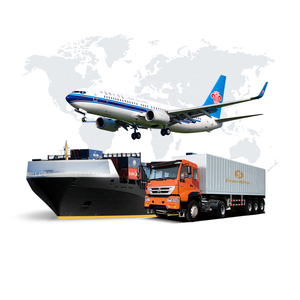
Direct ocean, air, and heavy-lift freight forwarding connecting major Chinese export hubs (Shanghai, Ningbo, Qingdao, Shenzhen) directly to the Port of Nagoya and the Chubu Industrial Region.
China-to-Nagoya Project Cargo Trade Corridor & Trends
Strategic logistics insights for procurement directors managing breakbulk, heavy-lift industrial machinery, and automotive production equipment moving into Japan's industrial heartland.
Automotive Supply Chain Integration
The Greater Nagoya area (Aichi Prefecture) stands as Japan’s leading industrial capital, dominated by automotive giants, tier-1 OEMs, and advanced machine tool manufacturers. As Chinese manufacturers expand their export footprint in heavy industrial stamping presses, robotic assembly cells, and specialized molds, the demand for dedicated Out-of-Gauge (OOG) freight engineering has surged. Navigating tight production schedules requires seamless synchrony between Chinese fabrication yards and Japanese assembly lines.
Transition to Specialized Breakbulk & Ro-Ro
Containerized freight services often fail to accommodate the extreme weights and dimensions associated with modern green-energy infrastructure, heavy stamping machinery, and semiconductor cleanroom modules. Current market trends indicate a structural shift toward chartering specialized Breakbulk and Heavy-Lift vessels equipped with multi-crane tandem lifting capabilities. Partnering with an FMC-licensed forwarder ensures compliance with complex carrier tariffs and ocean transport regulations.
Nagoya Port Operational Blueprint & Infrastructure Dynamics
As Japan's premier port by total cargo throughput, the Port of Nagoya (handling the Tobishima, Meito, and Kinjo Pier terminals) operates under strict maritime safety, environmental, and road-transport regulations. Transporting heavy project cargo through Nagoya requires rigorous pre-route surveys, bridge load capacity verification, and synchronized nighttime highway permits issued by the Chubu Regional Development Bureau. Our engineering teams perform comprehensive sweep-path analyses to guarantee that super-heavy loads navigate urban corridors without operational friction.
Localized Heavy-Lift Execution Across Chubu's Key Sectors
Tailored freight architecture addressing the specific logistical requirements of factories, power plants, and assembly complexes across Aichi, Gifu, and Mie prefectures.
Automotive Stamping & Tooling Relocation
Execution of heavy hydraulic stamping presses (up to 120 Metric Tons per unit) from factories in Jiangsu/Zhejiang to automotive plants near Toyota City and Kariya. Utilizes heavy-duty Flat Rack (FR) containers or breakbulk deck stowing with custom steel-skid lashing engineered to withstand rough East China Sea winter transits.
Aerospace Machinery & Cleanroom Skids
Precision transportation of multi-axis CNC machine tools and carbon-fiber autoclave equipment destined for aerospace manufacturing clusters around Minato Ward and Komaki Airport. Features climate-controlled, shock-monitored air/ocean transport coupled with anti-vibration air-ride low-boy trucking.
Power Generation & Renewable Energy Equipment
End-to-end handling of oversized transformers, wind turbine components, and gas turbine modules routed through Kinjo Pier to energy sites in Yokkaichi and Chubu Bay. Operations include specialized floating crane discharge and Self-Propelled Modular Transporter (SPMT) site delivery.
China to Nagoya Project Cargo Mode Comparison
A comparative evaluation framework to optimize costs, transit times, and risk profiles for industrial machinery shipments.
| Shipping Mode | Suitable Cargo Specifications | Average Transit Time | Nagoya Port Handling Terminal | Primary Technical Advantage |
|---|---|---|---|---|
| Breakbulk / Heavy Lift | Single pieces > 50 Tons, oversized modules | 4 - 7 Days (Direct Ocean) | Kinjo Pier / Public Heavy Wharf | No container dimension limits; direct tandem crane lift |
| Flat Rack (FR) / Open Top (OT) | Out-of-gauge (OOG) machinery, heavy presses | 3 - 5 Days (Liner Ocean) | Tobishima Container Terminal | Scheduled weekly liner sailings; cost-efficient vs. charter |
| Chartered Air Freight (Heavy Cargo) | Emergency replacement parts, line-down tooling | 24 - 48 Hours (Air) | Chubu Centrair International Airport (NGO) | Maximum speed; zero production delay risk |
| Direct Roll-on/Roll-off (Ro-Ro) | Wheeled construction equipment, heavy vehicles | 4 - 6 Days (Ocean) | Nagoya Port Ro-Ro Berth | Zero crane lifting risk; smooth roll-on efficiency |
Why International Procurement Leaders Partner With Us
Combining structural expertise, regulatory licenses, and operational personnel to eliminate friction across international trade corridors.
FMC-Licensed & Regulated Ocean Carrier
We operate as a Federal Maritime Commission (FMC) licensed ocean freight forwarder and NVOCC with published tariff standards. Our corporate governance ensures legal security, transparent contract rates, and compliant bill-of-lading issuance for high-value machinery consignments.
Named Dedicated Project Engineers
Say goodbye to automated call center queue systems. Every project cargo movement is assigned a named, bilingual logistics engineer who monitors rigging, port loading, maritime transit, and NACCS customs clearing in real-time, delivering 24/7 direct communication.
End-to-End DDP & Duty Execution
Our localized customs desk manages complete DDP (Delivered Duty Paid) terms into Japan. We handle Japan Consumption Tax (JCT) filings, tariff classifications under HS code schedules, and advance customs clearance through NACCS to avoid demurrage at Nagoya terminals.
Frequently Asked Questions by Nagoya Cargo Buyers
Clear, definitive answers on regulations, customs, heavy-lift handling, and transport timelines into the Chubu region.
Transporting oversized or super-heavy cargo over public roads in Japan requires a Special Vehicle Permit (Tokushu Sharyo Tservice Permit) granted by the Ministry of Land, Infrastructure, Transport and Tourism (MLIT) or local Prefectural Highway Authorities. Additionally, nighttime transit routing, police escorts, and bridge structural assessment approvals are necessary if dimensions exceed standard road limits (typically height > 3.8m, width > 2.5m, gross weight > 20 tons). Our local Nagoya logistics team executes route surveys and secures all necessary permits prior to vessel discharge.
All project cargo lashing adheres strictly to the IMO/ILO/UNECE Code of Practice for Packing of Cargo Transport Units (CTU Code). For Flat Rack and Breakbulk stowage, we employ certified steel wire ropes, turnbuckles, heavy-duty dunnage, and welded stoppers. Marine survey reports (Pre-shipment Inspection & Lashing Certificate) issued by independent surveyors like NCB or SGS are provided prior to vessel departure from Shanghai or Ningbo.
Yes. As an experienced exporter and international forwarder serving Japan, we facilitate DDP terms via our established Attorney for Customs Procedures (ACP) and local Japanese customs partner framework. We process customs entry through the NACCS (Nippon Automated Cargo and Port Consolidated System) network, pre-paying applicable duties and 10% JCT, allowing Japanese buyers to receive equipment directly at their factory floor with zero administrative hassle.
Direct ocean liner services from Shanghai (YS/WGQ) or Ningbo to Nagoya Port typically require 3 to 5 days of maritime transit. For chartered breakbulk or heavy-lift vessels, transit takes approximately 4 to 6 days depending on weather conditions. Factoring in customs release and local permitted nighttime heavy trucking, door-to-door delivery usually completes within 7 to 10 days from port departure.
Un-containerized breakbulk items are handled at dedicated heavy-lift wharves such as Kinjo Pier or public berths equipped with gantry and mobile harbor cranes. For ultra-heavy components exceeding shore crane capacities, we charter heavy-lift ships equipped with onboard tandem cranes (up to 800+ Ton capacity) or arrange floating crane barges within Nagoya port waters for direct barge-to-truck transfer.
Ready to Engineer Your Project Cargo Movement to Nagoya?
Consult with our senior logistics directors today. Receive a comprehensive technical feasibility review, route analysis, and competitive ocean/air rate quote tailored to your equipment specifications.