Norway-Bound Freight & Customs Services
Direct manufacturer-to-consignee shipping models backed by FMC-licensed operations, consolidated DDP tariffs, and expedited customs processing.
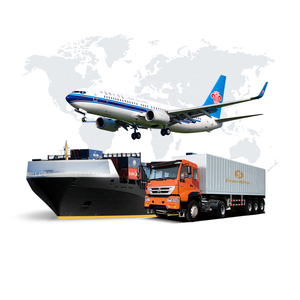
Navigating Norwegian Customs (Tolletaten) & Manufacturer Trade Networks
Exporting manufactured goods, heavy machinery, maritime components, and consumer retail products into Norway demands a deep alignment with the Norwegian Customs Authority (Tolletaten). Because Norway is part of the European Economic Area (EEA) while remaining outside the European Union Customs Union, international trade pathways require specialized customs clearance frameworks, precise HS code classification, and direct EDI interfacing with Norway’s automated customs system, TVINN.
For international manufacturers and exporting factories, the primary risk of international logistics lies not in ocean or air transit, but in paperwork misalignment at the port of discharge. Delays at Oslo Port (Sjursøya), Bergen, Brevik, or Gardermoen Airport can rapidly trigger demurrage charges, supply chain friction, and non-compliance penalties under the Norwegian Value Added Tax Act (Merverdiavgiftsloven).
Information Gain Insight: Unlike EU member states, Norway enforces strict national customs declarations for all non-EEA imports. Utilizing a licensed customs broker with direct TVINN integration allows global factories to clear goods pre-arrival, converting door-to-door transit into a predictable, zero-friction operation.
Local Application Scenarios for Global Factory Exports
Our customs brokerage and freight forwarding solutions are specifically tailored to meet the exacting standards of Norway's core industrial sectors. Here is how our cross-border logistics architecture supports global manufacturing partners across specialized local environments:
Maritime & Aquaculture Technology
Delivery of heavy marine electronics, net-cleaning robotics, and processing equipment directly to coastal hubs like Ålesund, Bergen, and Tromsø under strict DDP terms with temporary import duty exemptions where applicable.
Offshore Wind & Renewable Infrastructure
Out-of-gauge (OOG) ocean breakbulk and specialized flat-rack container moves for energy infrastructure entering Stavanger and Kristiansand, backed by tailored customs bonding and tax deferral schemes.
E-Commerce & Retail VOEC Compliance
Streamlined bulk LCL and air freight solutions integrated with Norway's VOEC (VAT On E-Commerce) registration system, allowing direct-to-consumer suppliers to bypass double taxation at border clearance.
Automotive & Industrial Equipment Parts
Time-critical air cargo and consolidated sea shipments for production-line spares, pre-cleared via TVINN prior to arrival at Gardermoen Airport for immediate road feeder delivery across Greater Oslo.
Multimodal Shipping & Clearance Comparison for Norway
Selecting the optimal transport mode requires evaluating transit speed against cost per kilogram, while accounting for Norwegian port handling schedules and customs clearance protocols.
| Transport Mode | Typical Lead Time | Customs Declaration Window | Best Suited For | Incoterms Recommended |
|---|---|---|---|---|
| Expedited Air Cargo | 2 – 4 Days | Pre-flight EDI Filing | High-value spares, electronics, medical samples | DDP / DAP (Gardermoen) |
| Ocean FCL (Full Container) | 28 – 35 Days | 48 Hrs Prior to Port Arrival | Heavy industrial goods, raw materials, high volume | DDP / CIF (Oslo / Brevik) |
| Ocean LCL (Consolidation) | 32 – 38 Days | At CFS Unpacking (Oslo) | Medium-sized factory shipments, scheduled restocking | DDP / FOB (Origin Port) |
| Rail-Sea Multimodal | 18 – 22 Days | Border Crossing Entry | Cross-Eurasian factory supply chains | DDP (Final Consignee Warehouse) |
Regulatory Trends & Future-Proofing Supply Chains to Norway
As Norway leads the global transition toward zero-emission logistics and digitized governance, overseas factories must adapt their supply chains to align with modern Norwegian environmental and regulatory demands:
1. Mandatory Digitalization via TVINN & EU ICS2
The Norwegian Customs Authority has fully modernized its electronic data exchange system. Paper-based customs entries are effectively obsolete. Modern customs brokerage requires pre-arrival security notifications (ICS2 compliance) alongside direct electronic customs declarations (SAD documents) to eliminate border inspections for trusted factory partners.
2. Deferred VAT Payment (Reverse Charge Mechanism)
Norwegian VAT (Merverdiavgift / MVA) is currently set at 25% for standard industrial imports. Under Norway's deferred VAT scheme, registered importers can declare and settle MVA via their internal tax returns rather than paying cash at the point of customs entry. Our customs brokerage ensures your local buyers or operating entities are correctly set up to leverage this cash-flow advantage.
3. Green Shipping Corridors & Carbon Neutral Transport
Norwegian ports are rapidly implementing stringent environmental standards, incentivizing low-emission ocean vessels and zero-emission electric trucking for final-mile delivery. Working with forward-thinking logistics providers ensures that your factory’s logistics carbon footprint aligns with Norway's 2030 climate goals.
Why Overseas Manufacturers Partner With Us
We eliminate supply chain blind spots by combining FMC-licensed authority with dedicated, human-managed freight operations.
FMC-Licensed Accountability
Operating as a fully licensed Ocean Transportation Intermediary (OTI) and NVOCC under U.S. Federal Maritime Commission regulations, we maintain published tariffs and strict regulatory compliance globally.
Real People, No Bot Queues
Your shipments are overseen by named, senior logistics engineers who handle routing, document validation, and custom exceptions—providing direct contact details and proactive status reporting.
End-to-End DDP Engineering
We take absolute responsibility from factory floor pickup to Norwegian doorstep delivery. Duties, local taxes, port handling fees, and inland drayage are transparently calculated and audited.
Carrier-Neutral Flexibility
Unlike asset-heavy shipping lines tied to fixed vessel schedules, we dynamically route your freight across premier ocean alliances and airlines to strike the ideal balance between speed and budget.
Specialized Project Cargo Desk
From heavy industrial machinery to dangerous goods (DG/HAZMAT) and temperature-controlled maritime components, our technical team prepares specialized loading, securing, and clearance protocols.
Consolidated Billing & Auditing
Simplify procurement with single-invoice billing that covers freight charges, origin handling, ocean/air carriage, Norwegian customs duty, and local final-mile distribution.
Frequently Asked Questions: Shipping & Clearing Goods in Norway
What key documents are required for clearing commercial freight into Norway?
Standard import shipments into Norway require a detailed Commercial Invoice (specifying currency, Incoterms, and HS codes), a Packing List, a Bill of Lading (B/L) or Air Waybill (AWB), and, where applicable, Certificates of Origin (such as EUR.1 or Form A). Specialized items may require safety data sheets (SDS) or phytosanitary certificates.
How does Delivered Duty Paid (DDP) shipping work for overseas factories exporting to Norway?
Under DDP terms, the seller/manufacturer assumes full responsibility for all freight costs, export clearance, ocean/air transit, Norwegian import duties, and local VAT (MVA), delivering directly to the buyer's destination. Our brokerage team manages the local customs entry under an authorized Norwegian fiscal representative or the buyer's importer code.
What is the typical customs clearance processing time at Norwegian ports?
When paperwork is submitted electronically via TVINN prior to vessel or aircraft arrival, standard customs clearance typically completes within a few hours of discharge. However, missing HS codes, incorrect value declarations, or manual physical inspections by Tolletaten can introduce delays of 48 to 72 hours.
How are Norwegian customs duties and import MVA calculated?
Customs duty is assessed based on the CIF (Cost, Insurance, Freight) value of the goods, varying by product category according to the Norwegian Customs Tariff. Value Added Tax (MVA) of 25% is calculated on the combined total of the CIF value plus any applicable customs duties and internal clearance fees.
Can your brokerage handle oversized, heavy machinery, or project cargo to Norway?
Yes. We specialize in project cargo logistics, providing end-to-end heavy-lift engineering, open-top/flat-rack ocean container transport, specialized road permits within Norway, and custom on-site delivery coordination for heavy industrial plants and marine sites.
What is the advantage of choosing an FMC-licensed forwarder for international shipping?
An FMC license certifies that the freight forwarder maintains financial bonding, operates under transparent regulated tariffs, and complies with federal shipping laws. This guarantees higher financial protection, operational integrity, and direct contract capability with ocean vessel carriers.
Optimize Your Norway Freight & Customs Operations Today
Connect directly with an FMC-licensed logistics engineering specialist to receive an all-inclusive freight quote, tariff audit, and customized clearance strategy for your factory products.
Inquire Now