Verified Italian Export & Customs Logistics Services
Explore our optimized freight forwarding pathways tailored for Italian factories, international buyers, and global supply chains operating across Italy and the EU.
Cheapest Air Sea DDP LCL International Logistics Service Top 10 China to USA UK Canada Express Freight Forwarder Shipping Agent
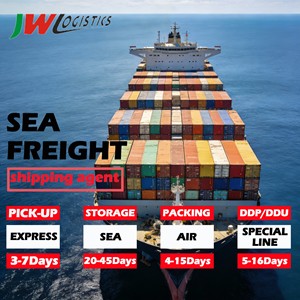
Cheapest Shipping Agent Sea Freight Forwarder DDP DDU LCL Express Sea Shipping Agent Dropshipping DHL Shipping to UK/USA/FR/CA
Top Sea Freight Forwarder Agent Shipping DDP Door To Door Transport Maritime International China To Canada Usa Italy Germany UK
Fast Delivery Logistics Forwarder 24-Hour Track Ocean Sea Freight Forwarder Transitaire Shipping Agent From China to USA by Sea
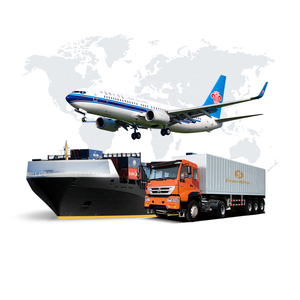
China Sea Freight Forwarder To USA Canada Amazon FBA Door To Door FCL LCL Express Shipping Agent
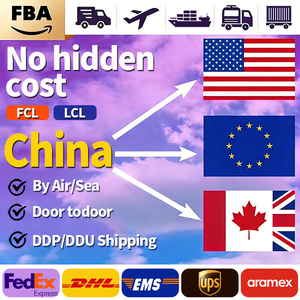
Air Sea DDP LCL International Logistics Service Top 10 China to USA UK Canada Express Freight Forwarder Shipping Agent
Top 10 Air Freight Forwarder China To Usa Germany Spain Ddp Shipping Agent Services Logistique Spedition China Nach Deutschland
Professional Logistics Shipping Agent Sea/air/Express Freight Forwarder From China to USA EU UK CANADA Worldwide
Navigating Italian Customs Modernization & Compliance Architecture
Understanding the interplay between Italian factories, customs authorities, and international buyer expectations under EU Law.
The Italian export ecosystem represents one of the world's premier manufacturing engines, driving globally recognized exports in industrial machinery, automotive engineering, high fashion, luxury leather goods, agro-food products, and pharmaceuticals. However, navigating export clearance factories & suppliers in the Italy market requires deep technical command over both Italian national regulations and the European Union’s Union Customs Code (UCC).
Customs clearance in Italy is governed by the Agenzia delle Dogane e dei Monopoli (ADM). In recent years, Italy has transformed its export clearance procedures through digital integration platforms such as the Sportello Unico Doganale e dei Controlli (SDIR)—the Customs Single Window for Controls. For international buyers and local exporters alike, securing smooth customs declarations involves mitigating regulatory hurdles, verifying tariff classifications (HS Code harmonization), managing VAT fiscal representation, and establishing compliant transport corridors.
Authorised Economic Operator (AEO) Status
Factories and freight forwarders holding AEO-C (Customs Simplifications) or AEO-S (Security) certification enjoy priority treatment, streamlined physical inspections, and reduced administrative overhead at key Italian exit ports like Genoa, Trieste, and La Spezia.
T1 Transit & Bonded Warehousing
By issuing T1 External Transit documents, non-EU goods arriving at Italian ports or goods departing inner-land manufacturing hubs can move under duty-suspension directly to customs bonded warehouses (Deposito Doganale) prior to final clearance.
VAT Fiscal Representation
Non-EU businesses procuring directly from Italian factories can leverage Italian Fiscal Representation (Rappresentanza Fiscale) or Direct VAT identification to handle local sales tax compliance without establishing a permanent corporate branch.
Export Clearance Scenarios Across Italy’s Key Manufacturing Hubs
Tailored freight and customs clearance strategies designed for Italy’s specialized regional industrial districts.
Fashion, Textiles & Luxury Goods
Requires Garment-on-Hanger (GOH) specialized containers, rapid air freight outbound from Milan Malpensa (MXP), and micro-customs clearance protocols for high-value time-sensitive fashion drops.
Industrial Machinery & Precision Tools
Heavy lift cargo, Flat Rack FCL containers, and Out-of-Gauge (OOG) handling from Port of Venice and Trieste, paired with export declaration permits (EX-A) for capital equipment.
Agro-Food, Wine & Beverage
Requires strict compliance with Ministry of Health (USMAF) checks, sanitary and phytosanitary certificates, reefer temperature-controlled ocean containers, and bonded export staging.
Chemicals & Pharmaceuticals
Cold-chain air logistics, ADR dangerous goods declarations, REACH regulatory verification, and expedited customs inspection pathways at key hub clearance depots.
Emerging Trends Shaping Italian Export & Import Forwarding
Critical regulatory and macroeconomic shifts redefining how global businesses source products from Italian suppliers.
1. Implementation of CBAM Protocols
The EU Carbon Border Adjustment Mechanism (CBAM) requires strict reporting of embedded carbon emissions for imported raw materials (steel, aluminum, fertilizers) utilized by Italian export manufacturers, necessitating detailed HS Code documentation during export clearance.
2. Digitization via ICS2 & NCTS Phase 5
The European Union's Import Control System 2 (ICS2) and updated NCTS Phase 5 transit mandates require advance cargo data prior to loading, drastically curtailing paper documentation and enforcing automated electronic validation across Italian customs ports.
3. Expansion of Southern Special Economic Zones (ZES)
The Italian government’s expansion of the Zone Economiche Speciali (ZES Unica) in Southern Italy offers significant tax credits and simplified customs procedure zones for manufacturers exporting via ports like Naples, Bari, Augusta, and Gioia Tauro.
Comparative Freight & Customs Routing Options for Italy Exports
Select the optimal combination of speed, cost efficiency, and regulatory control based on your product category and consignment scale.
| Transport Mode | Typical Transit Time | Customs Document Type | Ideal Cargo Profile | DDP / DDU Support |
|---|---|---|---|---|
| Express Air Freight (MXP / FCO) | 1 – 3 Days | Direct Electronic Export (EX-A / H1) | Fashion samples, pharmaceutical components, high-value electronics | Full DDP & Door-to-Door |
| Ocean Freight FCL (Genoa / Trieste) | 14 – 35 Days | T1 / EUR.1 / Certificate of Origin | Industrial machinery, marble, bulk manufactured finished goods | FCL DDP & DAP Options |
| Ocean Freight LCL Consolidation | 18 – 40 Days | Standard Export Customs Clearance | Small-to-medium manufacturing orders, palletized spares | LCL DDP Door Delivery |
| Intermodal Rail & Road (Silk Road / EU) | 12 – 18 Days | NCTS T1 / Carnet TIR | Cross-border European and Eurasian heavy industrial shipments | DAP / DDU Door Delivery |
An Accountable Forwarding Partner That Owns the Outcome
Overseas buyers and Italian factories choose our global logistics network because one experienced, human-led team stays accountable from factory pickup to final destination delivery.
Real People, Dedicated Specialists
You work directly with named logistics engineering specialists who understand Italian ADM customs nuances, tight export schedules, and consignee requirements—no anonymous ticket queues.
FMC-Licensed Regulatory Standing
Operating as an FMC-licensed ocean transportation intermediary with published tariffs, we ensure legal compliance, financial integrity, and strict adherence to U.S. and European maritime standards.
Carrier-Neutral Multimodal Routing
We evaluate global ocean carriers, airlines, and trucking networks objectively to optimize costs, reduce transit times, and guarantee equipment availability during peak seasons.
Comprehensive Multimodal Coverage
From air cargo and FCL/LCL ocean freight to over-the-road trucking and rail intermodal, we manage your entire supply chain under a single point of operational accountability.
Specialized & Heavy Cargo Engineering
Expert handling for oversized machinery, temperature-sensitive food products, hazardous materials (ADR/DG), and high-value luxury goods exported directly from Italian plants.
End-to-End Visibility & Transparent Billing
24/7 digital shipment tracking, automated milestone notifications, and clear, itemized customs and freight quotes with zero hidden destination fees.
Frequently Asked Questions: Export Clearance & Logistics in Italy
Clear, authoritative answers from our customs brokers and freight management experts.
Standard export clearance out of Italy requires: (1) Commercial Invoice stating the Incoterm 2020, HS Code, and EORI number of both seller and buyer; (2) Packing List specifying net/gross weights and dimensions; (3) Electronic Export Document (EX-A / Bolletta Doganale di Esportazione) issued via ADM; (4) Bill of Lading (B/L) or Air Waybill (AWB); and (5) Specific certificates where applicable, such as EUR.1 for preferential tariffs or Phytosanitary/Health certificates for agro-food exports.
An Economic Operators Registration and Identification (EORI) number is a unique identifier assigned by EU customs authorities to businesses engaging in export or import activities. Italian factories and EU-established buyers must possess an active EORI linked to their Partita IVA (VAT number) to lodge customs declarations in Italy.
Under DDP terms, the seller (or their designated logistics agent) assumes full responsibility for door-to-door transport, export clearance in Italy, international sea/air freight, import customs clearance at destination, and payment of all import duties and local taxes. Our DDP services allow overseas buyers to source seamlessly from Italian factories without handling complex customs filings.
FCL (Full Container Load) reserves an entire 20ft or 40ft ocean container exclusively for your consignment, ideal for shipments exceeding 13–15 CBM or requiring maximum security. LCL (Less than Container Load) consolidates cargo from multiple shippers into one shared container, making it a cost-effective solution for smaller orders while allowing flexible procurement from Italian suppliers.
For ocean freight, the primary container ports are Genoa (Northern Italy's primary gateway), Trieste (major deep-water hub with free port status), La Spezia, Venice, and Gioia Tauro (transshipment hub). For air freight, Milan Malpensa (MXP) is the dominant cargo hub handling over 65% of Italian air exports, followed by Rome Fiumicino (FCO).
According to Italian Tax Law (DPR 633/72 Art. 8), goods exported outside the European Union are exempt from Italian VAT (Non-imponibile IVA). To maintain this exemption, the Italian supplier must receive official electronic proof of export confirmation (Visto Uscita) generated by the ADM customs system once the container crosses the EU border.
Ready to Optimize Your Italian Export Freight & Clearance Operations?
Consult with our licensed freight specialists for custom routing plans, accurate ADM customs tariff calculations, and competitive air/ocean rates tailored to your business needs.
Get a Quote