Specialized Freight Products & Shipping Solutions
Enterprise-grade air, sea, and express door-to-door (DDP/DDU) cargo services tailored specifically for importers, trade distributors, and manufacturers across New Zealand.
China to NZ Air/Sea DDP & LCL Express Freight Consolidation
Contact Us
Direct Courier & Sea DDP/DDU Door-to-Door Delivery
Contact Us
Full Container Load (FCL) Maritime Transit & Port Clearance
Contact Us
24/7 Telemetry Tracked Priority Ocean Express Forwarding
Contact Us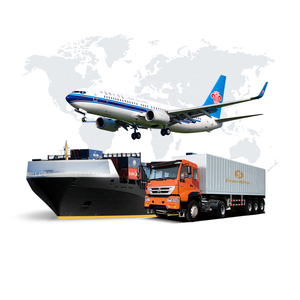
E-Commerce & Warehousing Fulfillment Lines to NZ Hubs
Contact Us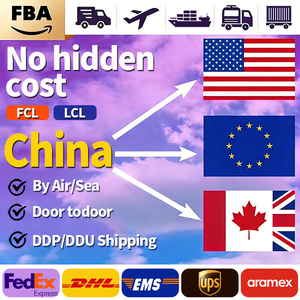
Multi-Modal Air-Sea Hybrid Express Cargo Solutions
Contact Us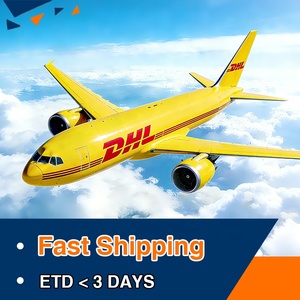
Charter & Priority Air Freight Services to AKL & CHC
Contact Us
Project Cargo, Heavy Machinery & Out-of-Gauge Logistics
Contact Us1. Macro-Economic Trade Dynamics: Navigating the China-New Zealand Express Freight Corridor
The bilateral trade architecture between China and New Zealand, bolstered by the upgraded China-New Zealand Free Trade Agreement (FTA), has established one of the most dynamic maritime and air supply lines in the Asia-Pacific region. As New Zealand accelerates its industrial modernization, agricultural automation, and e-commerce distribution networks, the demand for a reliable, highly transparent Express Freight Factory & Supplier has transformed from a transactional logistics requirement into a vital strategic asset.
Operating across New Zealand's geographic isolation presents distinct supply chain complexities. Trans-Pacific and Southern Ocean shipping lanes demand meticulous schedule reliability, while strict regulatory oversight by Biosecurity New Zealand (Ministry for Primary Industries - MPI) and New Zealand Customs Service (via the Trade Single Window - TSW) leaves zero margin for documentation errors or quarantine oversights. Whether moving specialized agricultural machinery to the Canterbury Plains or rapid parcel consolidations into Auckland, enterprise buyers require logistics infrastructure that merges factory-direct manufacturing agility with deep localized destination control.
Localized Application Scenarios Across New Zealand Industry Clusters
Precision-engineered transport pathways matching the unique geographical and economic landscapes of NZ’s primary commercial zones.
Waikato & Canterbury: Dairy & Agritech Machinery
Deploying heavy-duty farm equipment, stainless steel processing valves, and automated milking components directly to regional hubs in Hamilton and Christchurch.
Logistics Vector: Ocean FCL & Open-Top Flat Racks routed via Port of Tauranga (POT) or Lyttelton Port (LPC), integrated with Waka Kotahi NZTA-approved heavy transport haulage to inland farms.
Auckland Metro: E-Commerce & High-Density Consumer Goods
Servicing multi-channel retailers and digital market sellers with expedited parcel injection into Auckland International Airport (AKL) and Metro Freight Depots.
Logistics Vector: Priority Air Express DDP (3-5 Business Days), fully compliant with NZ Goods and Services Tax (GST 15%) automatically cleared via TSW API integration.
Bay of Plenty & Tasman: Forestry & Infrastructure Logistics
Transporting timber harvesting replacement spares, structural steel beams, and heavy excavator attachments under strict biosecurity protocols.
Logistics Vector: Out-of-Gauge (OOG) Breakbulk and LCL sea freight with mandatory offshore heat treatment and Brown Marmorated Stink Bug (BMSB) certification.
Multimodal Freight Performance Matrix: China to New Zealand Trade Lane
Evaluating operational metrics across shipping modes to assist procurement directors in balancing lead-time urgency against landed cost optimization.
| Transport Mode | Average Transit Time | Customs Clearance Engine | Biosecurity Risk Management | Best Suited For |
|---|---|---|---|---|
| Direct Air Express (Priority) | 2 – 4 Days | Electronic TSW Pre-Clearance | Air Cargo Inspection Protocol | Emergency Spares, Electronics, High-Value Samples |
| Standard Air Freight Consolidation | 5 – 7 Days | NZ Customs Client Code Entry | Standard MPI Screening | Medium-Volume E-commerce, Fashion, Time-Critical Automotive |
| Ocean Freight FCL (Full Container) | 12 – 16 Days | Automated Manifest System (AMS) | Full Container Sea Manifest Clearance | Heavy Machinery, High-Volume Manufacturing Supplies |
| Ocean Freight LCL (Consolidated) | 16 – 20 Days | De-consolidation CFS Clearance | BMSB Decontamination Verification | Small-to-Medium Wholesale Orders, Distributed Cargo |
| Multimodal Air-Sea Hybrid | 8 – 11 Days | Integrated Gateway Brokerage | Pre-screened Port Transfer | Balanced Cost-Speed Operational Flexibility |
3. Regulatory Governance & Localized Trends in New Zealand Logistics
Biosecurity MPI & BMSB Seasonal Rigor
New Zealand enforces some of the world's strictest biosecurity legislation to protect its agricultural economy. Between September 1 and April 30, all sea containers originating from target risk countries (including China) are subjected to stringent Brown Marmorated Stink Bug (BMSB) measures. As a qualified express freight factory partner, we execute offshore heat treatment (HT) or sulfuryl fluoride fumigation prior to vessel loading, preventing costly port quarantines, container re-exportation, or border delays at Tauranga and Auckland.
Trade Single Window (TSW) & GST Compliance
Importing goods into NZ requires seamless integration with the Joint Border Management System (JBMS) TSW portal. Under the current taxation model, all commercial imports above NZD $1,000 attract 15% Goods and Services Tax (GST) alongside relevant import tariffs. Our digital DDP infrastructure automatically processes your NZ Customs Client Code, calculates precise duties based on exact Harmonized System (HS) codes, and ensures rapid border release without unexpected hold-ups.
Why Enterprise Shippers Partner With Our Logistics Network
Combining world-class maritime licensing, transparent telemetry, and hands-on operational excellence.
FMC-Licensed & NVOCC Certified
Operating under strict Federal Maritime Commission regulations and published tariffs, offering contract stability and legally protected cargo handling across all major trade lanes.
Human-Centric Dedicated Specialists
We eliminate automated ticket queues. Every client is assigned a named trade-lane manager with direct phone access, ensuring immediate intervention when carrier schedules shift.
Carrier Neutral Routing Architecture
We leverage relationships across top ocean lines (COSCO, Maersk, ANL) and air carriers (Air New Zealand, Qantas Freight) to secure vessel space and optimal spot rates year-round.
End-to-End DDP/DDU Solutions
From supplier factory door-pickup in Guangdong or Zhejiang to final offloading in Wellington, Nelson, or Dunedin—we manage export documentation, maritime freight, customs, and final mile trucking.
Real-Time Telemetry & Milestone Visibility
Advanced tracking platforms provide procurement teams with complete visibility over container temperature, vessel GPS position, customs clearance status, and estimated dock delivery times.
Zero-Orphan Supply Chain Handling
Our complete operational footprint ensures every intermediate cross-dock, container deconsolidation, and inland transport leg is fully accounted for by our localized logistics staff.
Frequently Asked Questions: Purchasing & Importing Freight to NZ
Expert answers addressing the most common logistical, regulatory, and fiscal questions from New Zealand businesses.
What is the typical ocean freight transit time from China to New Zealand ports?
Direct ocean freight from major Chinese ports (Ningbo, Shanghai, Shenzhen, Qingdao) to main New Zealand North Island ports (Port of Tauranga, Ports of Auckland) typically takes between 12 to 16 days port-to-port. Transit to South Island ports such as Lyttelton (Christchurch) or Port Chalmers (Dunedin) generally requires 16 to 20 days depending on feeder vessel schedules. Door-to-door DDP express ocean freight adds approximately 3 to 5 days for customs processing and final road haulage.
Do I need a New Zealand Customs Client Code to import commercial goods?
Yes. Any individual or business importing shipments valued at NZD $1,000 or more must obtain an official Customs Client Code from the New Zealand Customs Service. If you choose our DDP (Delivered Duty Paid) express freight service, we can process the import entry using our broker clearance framework, relieving you of complex administrative setups while ensuring full compliance with the Trade Single Window (TSW) system.
How does Biosecurity NZ (MPI) inspection affect my shipment clearance timeline?
The Ministry for Primary Industries (MPI) screens all incoming sea containers and air cargo for biosecurity hazards. If your goods contain organic material, untreated wood packaging, or arrive during the high-risk BMSB season (Sept 1 - April 30), they must be accompanied by approved treatment certificates (e.g., fumigation or heat treatment). Providing compliant documentation upfront prevents your cargo from being held at container freight stations for physical inspection, saving 3 to 10 days of potential delay.
What is the difference between DDP and DDU Incoterms when purchasing express freight?
Under DDP (Delivered Duty Paid), our freight team assumes full financial and operational responsibility for the cargo from factory pickup all the way to your door, including international transport, insurance, NZ customs clearance, import tariffs, and the 15% NZ GST. Under DDU (Delivered Duty Unpaid), we transport the cargo to your nominated NZ address, but your business is responsible for settling duty and GST directly with NZ Customs prior to final cargo release.
Should I choose Air Freight or Ocean Freight for my shipment to Auckland or Christchurch?
Select Air Freight when transit speed, inventory replenishment velocity, or high unit value is critical (e.g., electronics, critical machinery spares, high-turnover fashion). Airport-to-airport transit takes 3 to 5 days. Choose Ocean Freight (FCL or LCL) for bulky, heavy, or planned inventory shipments where cost optimization per cubic meter (CBM) is the primary objective. Ocean freight reduces overall landed costs by up to 75% compared to air freight.
Optimize Your Supply Chain to New Zealand Today
Consult with our senior logistics architects to evaluate your shipping routes, reduce landed costs, and secure guaranteed space on top-tier air and sea carriers.