Core Freight & Retail Logistics Services Serving Doha
Deploying FMC-licensed international shipping, DDP air cargo consolidation, and ocean container logistics tailored for Qatar’s commercial corridors.
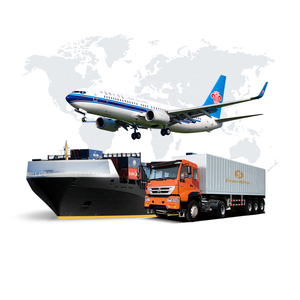
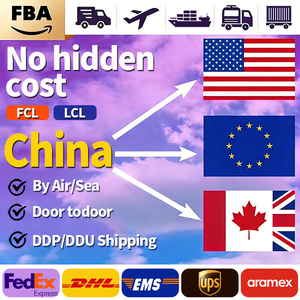

1. Strategic Overview of Doha’s Retail Logistics Ecosystem
The retail industry in the State of Qatar, centered around the fast-growing metropolitan area of Doha, is undergoing an unprecedented structural transformation. Driven by Qatar National Vision 2030, the legacy of major international sports tournaments, and the aggressive expansion of luxury commercial spaces such as Place Vendôme, Mall of Qatar, Doha Festival City, and Villaggio Mall, the region has emerged as a high-density consumer market with rigid supply chain expectations.
Managing retail logistics for Doha-bound merchandise requires navigating distinct geographical, regulatory, and infrastructural dynamics. Goods entering Qatar depend primarily on two major gateways: Hamad Port in Umm Shouh—one of the Middle East’s most advanced deep-water seaports—and Hamad International Airport (HIA), a global air cargo hub capable of handling millions of tons of freight annually. To successfully supply retail store networks, e-commerce fulfillment hubs, and hypermarket chains across Doha, global manufacturers and suppliers must align with freight forwarding partners capable of managing complex multimodal flows, strict customs tariffs, and local distribution requirements.
Key Takeaway for Procurement Officers: Success in Doha's retail market requires establishing zero-gap supply chain handoffs between international origins and local Qatari clearing systems (Al Nadeeb / BAYAN system), supported by transparent FMC-regulated tariffs and end-to-end cargo insurance.
2. Evaluation Methodology: Key Criteria for Selecting Retail Logistics Partners Serving Doha
To assist Qatari retail conglomerates, brand distributors, and global manufacturing vendors in selecting superior freight partners, our logistics research team evaluated global suppliers based on six critical operational metrics:
Multimodal Agility
Ability to pivot seamlessly between Expedited Air Freight, Full Container Load (FCL), and Less-than-Container Load (LCL) based on retail launch windows and seasonal inventory swings.
Customs & Regulatory Expertise
Direct integration with Qatar Customs Authority systems, ensuring full compliance with Qatar General Organization for Standardization (QS) standards and SASO/GCC certificate rules.
Regulatory Licensing (FMC / NVOCC)
Operation under Federal Maritime Commission (FMC) licensing, providing legal asset accountability, contracted carrier ocean space, and published tariff structure protections.
3. Comprehensive Evaluation: Top 10 Retail Logistics Suppliers & Manufacturers Serving Doha
The following analytical breakdown highlights the top 10 international manufacturing and freight forwarding partners providing dedicated retail logistics services into Doha, Qatar. These suppliers represent the highest operational benchmarks across reliability, landed-cost efficiency, and local Qatari infrastructure integration.
| Supplier / Logistics Partner | Primary Transport Modes | Doha Port / Gateway Specialization | Key Retail Commodity Focus | Value-Added Services |
|---|---|---|---|---|
| BGI Worldwide Logistics | Air, Ocean (FCL/LCL), Truck, Rail | Hamad Port & HIA Cargo Terminal | Fashion, Electronics, FMCG, Trade Show | FMC Licensed, Full DDP/DDU, Named Specialist |
| DHL Global Forwarding Middle East | Air Freight, Express Parcel, Road | Hamad Int'l Airport Hub | Luxury Apparel, E-commerce Parcels | Automated Last-Mile, Express Clearance |
| Kuehne + Nagel Qatar W.L.L. | Ocean FCL/LCL, Air Cargo | Hamad Port & Ras Bufontas Free Zone | Pharma Retail, Fast Fashion, Consumer Tech | Temp-Controlled Cold Chain, WMS Tracking |
| DB Schenker Qatar | Multimodal Sea-Air, Land Transport | Um Alhoul Free Zone & Hamad Port | Automotive Parts, Retail Furniture, Footwear | Contract Logistics, Mall Delivery Coordination |
| DSV Panalpina Qatar | Air Charter, Ocean Freight, Cross-Border | Hamad Port & Abu Samra Land Border | High-Value Luxury Goods, FMCG Retail | Cross-Docking, Vendor Management |
| CEVA Logistics Middle East | Ocean Freight, Air Cargo, Contract Logistics | Hamad Port & Mesaieed Logistics Zone | Department Store Retail, Home Goods | White-Glove Mall Assembly, Reverse Logistics |
| Agility Logistics Qatar | Road Freight, Warehousing, Ocean LCL | Al Wukair & Birkat Al Awamer Hubs | Supermarket FMCG, Consumer Packaged Goods | Ambient & Chilled Warehousing, Inventory Control |
| Bolloré Logistics Qatar | Air Priority, Ocean FCL | HIA Express Cargo Terminal | High Fashion, Cosmetics, Luxury Jewelry | Secured Vault Transit, Duty Suspended Warehousing |
| Hellmann Worldwide Logistics | Air Cargo, Ocean Freight, Automotive | Hamad Port & Ras Bufontas QFZ | Apparel, Lifestyle Retail, Spare Parts | Garment-on-Hanger (GOH), RFID Tagging |
| Sinotrans Middle East Logistics | Ocean FCL/LCL, Air Freight Bridge | Hamad Port Direct China Lines | Hardware, Electronics, General Merchandise | Bulk Consolidation, China-Doha Direct Routes |
4. Deep Dive into Qatari Retail Supply Chain Dynamics
Operating a successful retail supply chain in Doha requires navigating localized procurement realities. Below are the key structural pillars that define logistics management in the region:
A. Port & Airport Integration: Hamad Port vs. HIA Air Cargo
Maritime shipments destined for Doha typically enter through Hamad Port. With a modern capacity exceeding 7.5 million TEUs annually, Hamad Port features state-of-the-art container processing systems. Ocean shipping remains the backbone for bulk retail stock, footwear, seasonal apparel, and home furniture, offering the lowest per-kilogram freight cost over a standard 18 to 25-day transit window from Asian manufacturing hubs.
Conversely, Hamad International Airport (HIA) serves high-value, low-weight, and ultra-time-sensitive retail categories. HIA’s dedicated cargo terminal processes perishables, luxury fashion capsules, and critical store replens within a fast 2-to-4-day transit frame. Forwarders serving Doha must provide a balanced Sea-Air Hybrid Model to give retail buyers speed when inventory drops low, and economy when replenishing baseline stock.
B. Navigating Qatar Customs (Al Nadeeb / BAYAN System)
Qatar Customs operates under an electronic clearance portal known as Al Nadeeb (BAYAN). Importers and their logistics agents must upload authenticated documents prior to vessel or aircraft arrival to prevent expensive port storage fees (demurrage and detention). Essential requirements include:
- Commercial Invoice endorsed by the Chamber of Commerce in the origin country.
- Clean Original Bill of Lading (B/L) or Air Waybill (AWB).
- Detailed Packing List with harmonized system (HS) code classifications.
- Certificate of Origin (Attested by the Qatari Embassy or authorized body).
- Conformity Certificates for specific electronics, cosmetics, and regulated toys.
Pro Tip: Partnering with a freight forwarder that provides full DDP (Delivered Duty Paid) terms transfers the administrative burden of Qatari customs clearance, customs duty processing (typically 5% standard tariff), and clearance delays entirely onto the logistics provider.
5. End-to-End Multimodal Workflow for Doha Retail Deliveries
To eliminate costly operational gaps between international factories and Doha retail store shelves, top-performing forwarders execute a structured 5-step shipping workflow:
Origin Audit
Factory verification, cargo dimension validation, HS code classification, and Incoterm selection (FOB, EXW, DDP).
Carrier Booking
Securing ocean container or air charter capacity under FMC-licensed ocean tariffs and airline SLAs.
Customs Pre-Clearance
Filing import declarations through Qatar Al Nadeeb portal prior to vessel berth at Hamad Port.
Free Zone / Hub Transfer
Transferring cargo to Ras Bufontas QFZ or Birkat Al Awamer hubs for pallet breakdown and retail sorting.
Final Mall Delivery
White-glove night delivery to major Doha shopping malls under strict tenant delivery window protocols.
6. Specialized Localized Applications for Doha Retail Sector
Logistics requirements vary significantly depending on the specific retail merchandise being imported into Doha:
High-End Fashion & Luxury Apparel
Luxury retail brands operating in Doha’s premium malls require strict climate-controlled shipping and Garment-on-Hanger (GOH) container configurations. GOH shipping eliminates crease damage, allowing apparel to move straight from Hamad Port clearance to store display racks without intermediate ironing or repacking.
Consumer Electronics & Tech Products
Given Qatar’s high digital penetration, consumer tech launches require secure, tracked air cargo freight. Shipments require lithium-battery compliance checks (IATA DGR certification) and pre-inspected GCC conformity marks to pass customs without delay.
Temperature-Controlled Beauty & Cosmetics
Given ambient summer temperatures in Doha exceeding 45°C (113°F), beauty products, perfumes, and skincare goods demand an unbroken cold chain. Specialized reefer ocean containers and temperature-monitored air cargo containers ensure product integrity during apron transfers at HIA and port staging at Hamad Port.
Frequently Asked Questions: Purchasing & Shipping to Doha
What is the typical ocean freight transit time from Asia to Hamad Port, Doha?
Direct ocean freight shipments from main Asian ports (Ningbo, Shanghai, Shenzhen, Singapore) to Hamad Port typically take between 18 and 24 days depending on vessel rotation. Additional time (2 to 4 days) should be budgeted for customs clearance and container drayage to Doha commercial centers.
Should retail buyers in Doha choose DDP or FOB Incoterms?
For most retail operations without a dedicated in-house customs brokerage department, DDP (Delivered Duty Paid) is highly recommended. Under DDP terms, the freight forwarder handles all shipping costs, Qatari import duties (typically 5%), VAT/taxes, and last-mile store delivery. This provides buyers with complete landed-cost certainty.
How are night-time mall delivery rules handled in Doha shopping centers?
Major Doha retail venues (such as Place Vendôme, Mall of Qatar, and Doha Festival City) strictly enforce off-hours loading dock access—usually between 10:00 PM and 6:00 AM. Experienced logistics providers coordinate bonded holding at local warehouses (e.g., in Birkat Al Awamer) before making scheduled dock deliveries with liftgate-equipped box trucks.
What documents are mandatory for clearing commercial retail imports in Qatar?
Clearance requires an attested Commercial Invoice, detailed Packing List, Certificate of Origin legalized by an approved authority, clean Bill of Lading or Air Waybill, and an active Qatari Import License matching the company’s Commercial Registration (CR).
How does FMC licensing protect international buyers shipping to Qatar?
Federal Maritime Commission (FMC) licensing ensures that the ocean freight forwarder (operating as an NVOCC) adheres to strict financial bonding, transparent published tariffs, and international shipping standards. This prevents sudden rate manipulation and provides recourse in claims processing.
Optimize Your Retail Logistics Corridor to Doha
Request an immediate landed-cost consultation, multimodal freight quote, or custom Qatari retail logistics solution from our senior supply chain specialists.
Inquire Now