End-to-End International Logistics & Express Shipping to Colombia
Direct factory-to-door multimodal solutions optimized for Buenaventura, Cartagena, Barranquilla, and major inland industrial hubs like Bogotá, Medellín, and Cali.
Cheapest Air Sea DDP LCL International Logistics Service
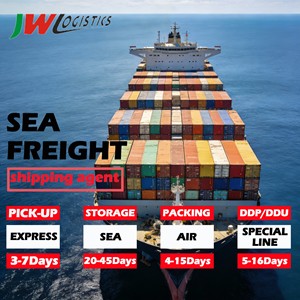
Sea Freight Forwarder DDP DDU LCL Express Shipping Agent
Top Sea Freight Forwarder Agent DDP Door To Door Maritime Transport
Fast Delivery Logistics Forwarder 24-Hour Track Ocean Shipping
China to Colombia Sea Freight Door-to-Door FCL & LCL Logistics
Multimodal Air & Ocean DDP Logistics Service for Colombia Importers
Expedited Air Freight Forwarding Service to El Dorado (BOG) Airport
Professional Multimodal Shipping Agent for Colombia Industrial Imports
Navigating Freight Forwarding & Supply Chain Logistics in Colombia: An Executive Whitepaper
As the fourth-largest economy in Latin America, Colombia presents a dynamic yet geographically challenging landscape for global trade. With major population and manufacturing epicenters located high in the Andes mountains—such as Bogotá at 2,640 meters above sea level and Medellín in the Aburrá Valley—establishing an optimized, resilient supply chain requires more than basic port-to-port ocean carriage. It demands a sophisticated multimodal framework capable of navigating complex regulatory regimes, ocean transshipments, and arduous mountain trucking corridors.
Primary Colombian Maritime Port Hubs & Strategic Routing
Selecting the correct port of entry is the single most decisive factor in minimizing total landed cost and transit delays for cargo bound for Colombia:
| Port Gateway | Geographic Coast | Primary Trade Partners | Key Inland Destinations Served | Operational Strengths |
|---|---|---|---|---|
| Port of Buenaventura | Pacific Coast | China, Japan, South Korea, US West Coast | Cali, Bogotá, Eje Cafetero, Medellín | Handles bulk, FCL/LCL from Asia; closest maritime entry for Western and Central Colombia. |
| Port of Cartagena | Caribbean Coast | USA East Coast, Europe, Transshipment Cargo | Bogotá, Bucaramanga, Atlantic Coast | World-class terminal automation; premier transshipment hub; fast customs processing. |
| Port of Barranquilla | Caribbean Coast / Magdalena River | North America, Caribbean Basin | Northern Industrial Zone, Santanderes | Dual river/ocean access; ideal for heavy machinery, steel, and chemical breakbulk cargo. |
| Port of Santa Marta | Caribbean Coast | Global Refrigerated Trade, Agri-exports | Central & Northern Colombia | Deep natural draft; specialized cold-chain and perishables infrastructure. |
When sourcing goods from manufacturing powerhouses across Asia, ocean vessels primarily transit via Pacific lanes directly into Buenaventura. However, during periods of seasonal port congestion or mountain road maintenance along the Buenaventura-Cali highway, routing via Cartagena with intermodal truck haulage along the Ruta del Sol highway serves as an invaluable contingency strategy to ensure zero disruption to production schedules.
Localized Supply Chain Applications & Industrial Hub Analysis
Different industrial sectors across Colombia require distinct supply chain modalities based on local geographic constraints, consumer density, and infrastructure capabilities:
Bogotá D.C. Capital Hub
Primary Industries: Consumer Electronics, Telecommunications, Pharmaceuticals, Automotive Spare Parts.
Logistics Reality: Located high in the Andes. Requires seamless customs clearance at El Dorado International Airport (BOG) for air cargo or secure container trucking from Buenaventura crossing the La Línea tunnel system.
Recommended Service: Air Freight DDP or Ocean LCL/FCL with bonded truck transfers.
Medellín & Antioquia Belt
Primary Industries: Textile & Apparel Machinery, Solar Panels, Mining Equipment, Industrial Hardware.
Logistics Reality: The Aburrá Valley requires precise truck scheduling to avoid municipal traffic restrictions (Pico y Placa). Cargo routed via Cartagena or Buenaventura must utilize heavy-duty multi-axle trailers.
Recommended Service: FCL Ocean Freight combined with GPS-monitored flatbed trucking.
Cali & Valle del Cauca
Primary Industries: Fast-Moving Consumer Goods (FMCG), Packaging Materials, Agricultural Machinery.
Logistics Reality: Direct proximity to Buenaventura port (approx. 2-3 hours transit). Offers lower inland freight tariffs compared to Bogotá or Medellín.
Recommended Service: Rapid Ocean FCL Express & Short-haul Container Drayage.
Regulatory Masterclass: Conquering DIAN Customs & NANDINA Tariff Codes
Navigating Colombia's customs agency, the DIAN (Dirección de Impuestos y Aduanas Nacionales), is often the most critical stage of international freight forwarding. Minor paperwork errors can lead to costly container storage fees (demurrage) or cargo seizures at port terminals.
Essential Requirements for Smooth Import Clearance in Colombia:
- Tax Identification Registration (RUT): Every importer of record in Colombia must possess an active Registro Único Tributario (RUT) with authorized customs clearance capabilities (Calidad de Importador).
- NANDINA Harmonized System Classification: Colombia adheres to the Andean Community (CAN) NANDINA 8-to-10 digit tariff classification. Incorrect tariff codes can trigger physical inspections and administrative fines.
- Import Declarations (Declaración de Importación): Customs declarations must be submitted electronically via the VUCE (Ventanilla Única de Comercio Exterior) platform prior to or upon vessel arrival.
- Tax & Duty Structure: Value Added Tax (IVA) in Colombia is standard at 19%, alongside variable customs duties ranging from 0% to 15% depending on preferential trade agreements and HS code classifications.
Emerging Supply Chain Trends in the Colombia Market
Logistics strategies in Colombia are evolving rapidly driven by technological innovation and global supply chain realignments:
1. Nearshoring & Regional Warehouse Hubs
Global brands are utilizing Free Trade Zones (Zonas Francas) in Cartagena and Barranquilla to store buffer inventory for rapid tax-free distribution across Latin America.
2. E-Commerce Driven Air Cargo Expansion
Cross-border B2C and direct-to-consumer e-commerce from Asian factories to Colombian urban centers has accelerated demand for consolidated expedited air freight lines directly into Bogotá (BOG).
3. Digital VUCE & Automated Customs
DIAN's digital transformation has streamlined electronic pre-clearance, enabling forward-thinking logistics providers to clear cargo within 24 to 48 hours of vessel discharge.
Why Global Importers & Exporters Trust Our Logistics Infrastructure
We combine international regulatory credentials with deep-rooted Latin American operational experience to deliver unmatched supply chain performance:
FMC-Licensed Ocean Transportation Intermediary
Operating as a fully licensed NVOCC and ocean forwarder under US Federal Maritime Commission oversight, ensuring published tariff compliance, legal accountability, and robust contract security.
Carrier-Neutral Route Optimization
We maintain direct contracts with top global container lines (Maersk, MSC, CMA CGM, COSCO, ONE) and airlines, leveraging dynamic space allocation to secure preferred rates and reliable vessel space even during peak seasons.
Real People, Dedicated Account Managers
No automated ticketing systems or anonymous queues. Every client is assigned a bilingual logistics specialist who proactively oversees shipments from factory pickup to final delivery proof.
End-to-End Risk Management & Escort Protocols
Inland truck transit across mountain highways includes mandatory GPS tracking, electronic seal verification, and satellite monitoring to safeguard high-value industrial cargo.
Complete Multimodal Capabilities
From express air parcels to 40HQ Full Container Loads, out-of-gauge breakbulk machinery, and temperature-sensitive reefer containers, we manage every mode under one roof.
Comprehensive DDP & Customs Support
Our expert customs teams manage NANDINA tariff classification, DIAN import declarations, duty tax settlement, and final-mile door delivery without surprise charges.
Frequently Asked Questions for Colombian Procurement Teams
What is the typical ocean shipping transit time from main Asian ports to Colombia?
Direct ocean freight service from major Asian loading ports (Shanghai, Ningbo, Shenzhen, Qingdao) to the Port of Buenaventura typically takes 22 to 28 days port-to-port. Ocean routes bound for Caribbean ports like Cartagena or Barranquilla take approximately 28 to 35 days depending on transshipment connections through the Panama Canal or Caribbean hubs.
Should I choose DDP or FOB Incoterms when buying goods for Colombia?
Choosing DDP (Delivered Duty Paid) is highly recommended for buyers who want a hassle-free, door-to-door experience where the freight forwarder handles all DIAN customs clearance, import tax declarations (IVA and duties), and inland mountain trucking. FOB (Free On Board) gives the buyer complete choice of carrier and freight rate control, but requires the buyer to maintain an active RUT tax ID and engage a licensed local Colombian customs broker (Agencia de Aduanas).
How are inland road transportation risks handled across the Colombian Andes?
Moving cargo from port cities like Buenaventura up into high-altitude cities like Bogotá or Medellín involves traversing complex mountain passes (such as the La Línea tunnel route). We mitigate transit risks by deploying fully vetted transport fleets equipped with real-time GPS tracking, dual electronic container seals, mandatory driver check-in protocols, and optional security escort vehicles for sensitive or high-value shipments.
What is the difference between FCL and LCL shipping for Colombia importers?
FCL (Full Container Load) means reserving an entire 20ft or 40ft container for your cargo, offering the lowest cost per cubic meter and faster port release once landed. LCL (Less than Container Load) combines your smaller cargo (typically 1 to 14 CBM) with shipments from other importers into a shared container. LCL is ideal for smaller shipments, though it requires extra time at a Container Freight Station (CFS) for deconsolidation.
What documentation must be prepared before exporting cargo to Colombia?
Standard export paperwork for shipments entering Colombia includes a detailed Commercial Invoice (in English or Spanish with complete line-item descriptions and values), a precise Packing List, the Bill of Lading (B/L) or Air Waybill (AWB), and a Certificate of Origin if claiming preferential tariffs. Hazardous goods require official Safety Data Sheets (SDS), while specialized products may require INVIMA or ICA permits.
How far in advance should air cargo or ocean shipping space be booked?
For standard ocean freight (FCL/LCL), we recommend booking capacity 2 to 3 weeks prior to your planned factory cargo ready date. During peak seasons—such as the pre-holiday shipping surge from August to November or prior to Chinese New Year—booking 3 to 5 weeks in advance is crucial to guarantee container equipment and vessel space.
Ready to Optimize Your Freight Shipping to Colombia?
Connect directly with our senior Latin America logistics strategists. Obtain a transparent, all-inclusive freight rate quote tailored specifically to your cargo volume, port choice, and customs requirements.