Direct-Factory Logistics & Charter Solutions serving Seoul
Explore our standardized international chartering, air cargo, and sea freight forwarder offerings optimized for seamless customs clearance and door-to-door delivery across South Korea.
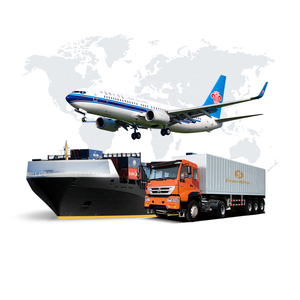
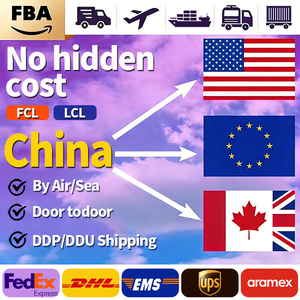
Navigating Freight Charter Dynamics Serving the Greater Seoul Capital Area
An executive logistics overview for supply chain managers, procurement leaders, and industrial buyers coordinating freight movements into Seoul, Gyeonggi-do, and Incheon.
Air Charter Architecture (ICN Hub)
When factory lines in Pyeongtaek or Yongin face critical supply bottlenecks, standard belly-hold capacity falls short. Dedicated air freight charters to Incheon International Airport provide immediate slot allocation, specialized main-deck cargo options, and rapid customs intervention.
Ocean & Vessel Chartering (Busan/Incheon Port)
For heavy machinery, out-of-gauge (OOG) modules, and raw material inputs, sea chartering via Busan Port or Incheon Port connects major global factories straight to South Korea’s industrial heartland under FMC-licensed oversight.
Last-Mile Drayage & Bonded Trucking
Seamlessly transferring freight from arrival terminals to Seoul-area manufacturing plants requires licensed bonded transport, real-time GPS telemetry, and experienced handling of local South Korean customs compliance.
Comparative Analysis of Freight Modes Serving Seoul Hubs
Balancing budget, lead time, and cargo characteristics for optimal supply chain efficiency.
| Transport Mode | Primary Entry Gateway | Average Transit Time | Ideal Cargo Specifications | Customs Risk Level |
|---|---|---|---|---|
| Expedited Air Charter | Incheon Intl (ICN) | 24 – 48 Hours | High-value electronics, semiconductor equipment, urgent spare parts | Low (Priority Clearance) |
| Standard Air Cargo (DDP/LCL) | Incheon (ICN) / Gimpo (GMP) | 3 – 5 Days | Commercial samples, medical devices, mid-sized shipments | Standard |
| Ocean Vessel Charter (FCL) | Busan Port / Incheon Port | 7 – 14 Days (Regional Asia) | Heavy industrial machinery, automotive parts, bulk raw materials | Medium (Requires Pre-manifest) |
| Multimodal Sea-Air / Rail | Incheon Port to ICN Express | 5 – 8 Days | Cost-sensitive supply chains needing faster lead-times than ocean | Standard |
Why Enterprise Buyers & Factories Trust BGI Worldwide Logistics
As a Federal Maritime Commission (FMC) licensed ocean transportation intermediary and full-service multimodal freight charter provider, BGI Worldwide Logistics eliminates the vulnerabilities common in complex international supply chains. We move away from call-center algorithms, giving you direct access to dedicated logistics professionals who take end-to-end accountability for every charter.
FMC-Licensed Rigor
Operating under U.S. maritime regulatory standards with published ocean tariffs to guarantee contract transparency and compliance safety.
Real Human Accountability
Direct contact with senior freight specialists who actively manage transit schedules, Incoterms, and customs filings without ticket queues.
Multimodal Versatility
Integrated control across air cargo charters, ocean container lines (FCL/LCL), cross-border trucking, and rail intermodal networks.
Localized Logistics Trends & Supply Chain Demands in Seoul
Key operational considerations for overseas manufacturers supplying South Korea's high-tech and industrial sectors.
Semiconductor Mega Cluster Support
With South Korea expanding its semiconductor mega-cluster in southern Gyeonggi Province, charter demand for ultra-sensitive, temperature-controlled manufacturing equipment into Seoul/Incheon has reached historical highs.
Strict KC Certification & Customs Filing
South Korea’s Customs Service (KCS) strictly enforces Korea Certification (KC) guidelines and exact HS code classification. Partnering with an experienced forwarder ensures DDP clearance without terminal storage delays.
Green Supply Chain Corridors
Enterprises serving Seoul are increasingly adopting intermodal sea-rail and fuel-efficient charter vessel routing to meet corporate ESG and carbon reduction mandates across international trade lanes.
Frequently Asked Questions by Seoul Logistics Buyers
Expert insights addressing common procurement and freight charter challenges.
What is the difference between air charter and scheduled air freight to Incheon (ICN)?
Scheduled air freight relies on available cargo space on commercial passenger or freighter flights. An air charter provides dedicated aircraft payload exclusively for your cargo, allowing custom departure times, non-standard dimensions, and direct priority handling.
How does DDP (Delivered Duty Paid) freight work for Seoul manufacturing plants?
Under DDP terms, the freight forwarder handles all export clearance, international transit, import customs declarations in South Korea, payment of duties/taxes, and final-mile truck delivery straight to the buyer's factory gate in Seoul or surrounding industrial zones.
Which entry port is best for heavy industrial machinery bound for the Seoul capital area?
Incheon Port is optimal for direct proximity to northern Gyeonggi factories. However, Busan Port offers higher ocean vessel frequency and extensive feeder/rail connections, making it ideal for heavy project cargo routed via express drayage corridors.
What documentation is required for seamless customs clearance in South Korea?
Key documents include a detailed Commercial Invoice, Packing List, Bill of Lading (B/L) or Air Waybill (AWB), Certificate of Origin (for FTA tariff benefits), and any applicable product-specific KC certificates or safety data sheets (SDS).
Engineered Freight Charters for Seoul & Global Trade Lanes
Connect directly with our senior logistics directors to structure an expedited air charter, dedicated ocean shipment, or seamless DDP delivery plan today.
Contact Us