Industry-Leading Shipping & Logistics Solutions for Brazil Trade
Compare vetted freight rates, door-to-door (DDP/DDU) ocean container forwarding, consolidated LCL express, and expedited air transport directly engineered for global manufacturers and Brazilian buyers.
Air & Ocean DDP LCL International Freight Forwarding Service
Send an Inquiry
Competitive Sea Freight Forwarder DDP/DDU LCL Express Shipping
Send an Inquiry
Premium Maritime Ocean Freight DDP Door-to-Door Logistics
Send an Inquiry
Fast Express Ocean Freight Forwarder with 24-Hour Digital Tracking
Send an Inquiry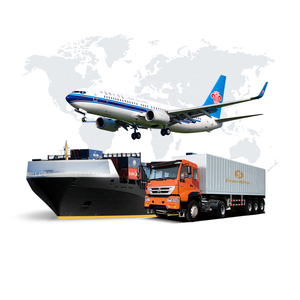
Integrated FCL/LCL Container Freight & Warehousing Hub
Send an Inquiry
Air Cargo & Fast Sea Freight Hybrid Delivery Agent
Send an Inquiry
Charter & Consolidated Air Freight Services to South America
Send an Inquiry
Professional FMC-Licensed Multimodal Freight Forwarding Agent
Send an InquiryExecutive Analysis: Freight Dynamics & Supplier Trade Lanes in Brazil
Brazil stands as the economic powerhouse of Latin America, accounting for nearly half of South America's industrial output. As global trade shifts toward resilient supply chains and regionalized assembly, navigating international shipping to Brazilian ports—such as Santos (SP), Paranaguá (PR), Rio Grande (RS), and Itajaí (SC)—requires specialized freight quotes, expert carrier selection, and deep familiarity with Brazilian customs regulations.
Securing reliable freight quotes manufacturers and suppliers in Brazil depend on involves evaluating total landed cost rather than just ocean freight base rates. Factors such as terminal handling charges (THC), demurrage risk, container storage fees (períodos de armazenagem), and complex national tariff structures determine the true financial efficiency of a supply chain.
Logistics Insight: Shipping to Brazil is governed by rigorous fiscal checks. Partnering with an FMC-licensed Non-Vessel Operating Common Carrier (NVOCC) with direct carrier contracts ensures tariff transparency and minimizes costly port delays.
Key Strategic Shipping Corridors for Brazil
Whether importing raw industrial machinery, solar panels, electronics, or automotive components, freight routing must align with destination tax zones and port capabilities:
-
Asia to Santos (SP) Ocean Route Direct service callings via Cape of Good Hope or Panama with 32–38 days transit time for FCL ocean shipments.
-
Expedited Air Freight to GRU / VCP Time-critical cargo landed at São Paulo/Guarulhos (GRU) or Campinas (VCP) airports with customs pre-clearance in 3–5 days.
-
Manaus Free Trade Zone (ZFM) Feeder Inland waterway container barge transport reaching Manaus industrial hubs under special tax incentive frameworks.
Demystifying Brazilian Customs: Siscomex, RADAR & DUIMP Frameworks
Shipping cargo into Brazil is often characterized as one of the world's most complex import procedures due to the "Custo Brasil" (the structural cost of doing business in Brazil). Standard freight forwarders without localized regulatory expertise often fail to anticipate administrative holdups, leading to expensive container demurrage.
1. The RADAR License (Habilitação RADAR)
Before any enterprise in Brazil can engage in foreign trade, it must hold an active RADAR license issued by the Receita Federal do Brasil (RFB). RADAR categories dictate import spending limits per 6-month period:
- Express RADAR: Up to $50,000 USD per 6-month period (ideal for small businesses or sample imports).
- Limited RADAR: Cap from $50,000 USD to $150,000 USD per 6-month period.
- Unlimited RADAR: For established importers with financial capacity exceeding $150,000 USD.
2. Siscomex to DUIMP Transition
Brazil is currently streamlining its national foreign trade portal, transitioning from the legacy DI (Declaração de Importação) via Siscomex to the modern DUIMP (Declaração Única de Importação). This digital transformation reduces customs clearance times from 8 days down to under 48 hours for authorized economic operators (AEO/OEAcertified enterprises).
3. The Brazilian Cascading Tax Structure
Accurate freight quotes must incorporate the cumulative tax impact assessed on the CIF (Cost, Insurance, and Freight) landed value:
| Tax Abbreviation | Name & Jurisdiction | Assessment Basis | Strategic Logistics Impact |
|---|---|---|---|
| II | Imposto de Importação (Federal) | CIF Value | Varies by NCM (HS Code); range 0% to 35%. |
| IPI | Imposto sobre Produtos Industrializados | CIF + II | Excise tax on manufactured products; credit-earning for industrial users. |
| PIS / COFINS | Social Security Contributions | CIF Value | Federal taxes applied to foreign goods to equalize domestic competition. |
| ICMS | Imposto sobre Circulação de Mercadorias (State) | (CIF + II + IPI + PIS + COFINS) / (1 - ICMS rate) | State-level value-added tax (17% to 22%). Highly complex gross-up calculation. |
| AFRMM | Adicional ao Frete para Renovação da Marinha Mercante | Ocean Freight Cost | Merchant Marine surcharge; currently 8% on ocean freight for imports. |
Modal Comparison: Ocean FCL/LCL, Expedited Air & DDP Solutions
Selecting the optimal logistics mode requires balancing transit urgency against freight expenditure. Our carrier-neutral forwarding approach ensures supply chain managers receive transparent, side-by-side modal recommendations.
| Shipping Mode | Average Transit Time | Cost Efficiency | Best Suited Cargo Profile | Customs Complexity |
|---|---|---|---|---|
| Ocean Freight FCL (20ft / 40ft HQ) | 30 – 40 Days | Highest per CBM | Bulk industrial goods, raw materials, high-volume machinery | Standard Port Clearance |
| Ocean Freight LCL (Consolidation) | 35 – 45 Days | Economical for small volumes | Shipments from 1.5 CBM to 12 CBM; shared container space | Bonded Warehouse Clearance |
| Air Cargo Express (Direct/Consolidated) | 3 – 7 Days | Premium pricing per KG | High-value electronics, medical devices, emergency spare parts | Expedited Airport Clearance |
| Door-to-Door DDP Services | Mode Dependent | All-inclusive predictability | Sellers handling taxes on behalf of Brazilian buyers | Fully Managed by Forwarder |
Pro-Tip for Brazilian Logistics: Always request a minimum of 21 to 28 days of combined Free Time (Demurrage & Detention) at Brazilian destination ports to safeguard against unexpected customs inspection channels (Canal Vermelho or Cinza).
Why Enterprise Shippers Partner with an FMC-Licensed Forwarder
As a Federal Maritime Commission (FMC) licensed Ocean Transportation Intermediary (OTI) and NVOCC, we maintain direct contracts with tier-1 ocean carrier alliances (Maersk, MSC, CMA CGM, Hapag-Lloyd, COSCO). This regulatory authority guarantees legal transparency, published tariff protection, and priority container allocation during peak shipping seasons.
-
FMC Licensed Integrity Regulated ocean intermediary protection with legal recourse and transparent tariff access.
-
Dedicated Logistics Specialists Direct access to experienced logistics engineers, not automated chatbot queues.
-
Carrier Neutral Optimization We evaluate all shipping lanes to deliver un-biased freight quotes tailored to budget and deadline.
-
End-to-End Visibility Milestone tracking from factory pickup to final door delivery with automated alerts.
Frequently Asked Questions: Sourcing & Shipping Freight in Brazil
Key answers to common regulatory, logistical, and pricing challenges experienced by international suppliers and Brazilian importers.
What is required to obtain an accurate freight quote to Brazil?
Provide exact pickup/delivery postal codes, commodity description, NCM (HS Code), total package dimensions, gross weight, stackability, ready date, and agreed Incoterms (FOB, EXW, or DDP).
Can overseas suppliers ship DDP to Brazil without a local entity?
Shipping DDP (Delivered Duty Paid) to Brazil requires an Importer of Record (IOR) with an active RADAR license to clear customs. We provide managed door-to-door solutions working alongside local licensed customs brokers.
What is the AFRMM tax and how does it affect ocean freight?
AFRMM is a federal tax supporting the Brazilian merchant marine. It is calculated at 8% of the net ocean freight cost and billed upon customs entry at destination ocean ports.
How can importers avoid container demurrage in Santos port?
By requesting extended free time (21–28 days) prior to container loading, ensuring early bill of lading issuance (Bill of Lading / CE Mercante), and submitting pre-clearance DUIMP documentation before vessel arrival.
What is the difference between green, yellow, and red customs channels?
Green channel releases goods automatically. Yellow channel requires document verification. Red channel triggers physical container inspection. Gray channel indicates fraud or price-under-invoicing audit.
How does shipping to Manaus Free Zone (ZFM) differ?
Manaus shipments enjoy federal tax exemptions (II and IPI) under SUFRAMA oversight. Transit typically involves transshipment via feeder ocean vessel or Amazonian river barges.
Optimize Your Brazilian Freight Strategy Today
Speak with an FMC-licensed logistics engineer to request transparent air, ocean, or multimodal freight quotes tailored to your business operations in Brazil.
Send an Inquiry